Introduction to AI assistant, Truleo and automate bodycam review
First, this chapter introduces an AI assistant designed for law enforcement workflows. Next, Truleo appears in many industry conversations as one model for how systems can streamline video review, and here it serves as an example of innovation. Also, visionplatform.ai complements that approach by turning cameras into context-aware sensors, and by adding reasoning to video streams. However, the central idea is simple: apply artificial intelligence to reduce manual burden, and then help officers focus on decisions. Therefore, the system can automate routine tagging, and thus save time on repetitive tasks. Meanwhile, real-time alerts and an on-prem management system keep sensitive material inside agency controls.
First, detector modules run continuously. Then, natural language models turn short clips into searchable descriptions. Next, a records management integration pushes metadata into RMS or a records management system, and later officers can quickly locate key clips. Also, police departments that adopt this workflow report fewer delays in evidence processing. For example, the platform can pre-fill a first draft of a narrative and organize notes, which reduces friction during report writing. As a result, officers back on patrol spend more time in the field and less time in an office typing minor details. Additionally, the solution supports body cameras and other cameras without forcing cloud uploads. This helps agencies meet local rules and EU AI Act expectations.
Specifically, the AI assistant will prompt reviewers with suggested tags, and then allow humans to accept or adjust those suggestions. Also, Truleo and similar systems can integrate with existing case management and records management tools to keep digital evidence coherent. For agencies that need to streamline audits, the tool can log every step. Finally, because the platform was designed specifically for public safety, it helps protect chain-of-custody with clear logs. For more on how search and descriptions help investigations, see the forensic search capability described on our site forensic search in airports.
Using AI to analyze police footage
First, computer vision finds objects and behaviors in video streams. Next, detectors trained on diverse data flag weapons, unusual movement, and crowd incidents. For weapons the system combines object models and contextual signals to improve accuracy, and it links to weapon detection resources for specific deployment needs via our platform weapon detection in airports. Also, facial recognition can appear as a module, but agencies must weigh risks and policies when enabling that feature. Therefore, teams usually keep such modules under strict controls and audit trails.
Then, machine-learning models reduce hours of manual watching by surfacing critical frames for human review. For instance, a 2025 report found AI-assisted video analysis improved identification of critical incidents by about 40% reported improvements in incident detection. Also, an AI-powered detection layer can tag events with time, location, and confidence scores. Next, those tags feed into an analytics dashboard that helps supervisors spot trends and measure efficiency and effectiveness. Meanwhile, visionplatform.ai’s VP Agent Reasoning explains why a detection matters and how related systems confirm or contradict it. This reduces false positives and helps operators decide quickly.
Furthermore, the combination of vision models and AI agents acts as a force multiplier. Specifically, when the system flags an escalation, the operator receives context, related clips, and suggested next steps. Also, the platform supports real-time correlation with access control feeds, and this enables rapid verification of an event. For public-safety leaders who need to analyze crowds, see our crowd detection and density analysis resource crowd detection density in airports. Finally, when camera footage is indexed in this way, investigators can analyze patterns and organize follow-up actions more quickly, which helps protect communities and conserve officer time.

AI vision within minutes?
With our no-code platform you can just focus on your data, we’ll do the rest
Transcribe bodycam and bwc video efficiently
First, transcription matters for searchable video evidence. Next, AI transcription engines convert spoken audio from body-worn cameras into timestamped text. For example, AI models can achieve over 90% accuracy on clear police audio when trained on diverse data and tuned for jargon and radio traffic. Also, timestamped transcripts let investigators quickly locate critical moments and keywords without rewatching hours of footage. As a result, teams that transcribe receive faster access to statements and can build timelines faster.
Then, agencies adopting these tools reported major efficiency gains. For instance, AI can reduce the time needed to review body camera footage by up to 70% according to industry reporting reduced review time study. Also, indexed transcripts support advanced search so investigators can quickly locate phrases, names, or commands. Next, a searchable transcript becomes part of a generated report or a digital evidence package that integrates with a records system or a records management system.
Additionally, transcription improves transparency. For defense counsel and criminal defense firms, accurate transcripts level the playing field by making audio content accessible quickly; JusticeText is an example of an organization applying audiovisual analysis to support public defenders JusticeText: Bringing AI audiovisual analysis to the public defender’s. Meanwhile, agencies must manage sensitive data carefully and redact protected information before wider release. The platform flags segments for redaction and helps teams decide what to redact. Also, by tagging timestamps, the system helps investigators assemble exhibits for hearings and prepares material for case management. Finally, the integration of transcription with Axon and other systems makes it easier to export official items without losing metadata.
AI-assisted draft of police report
First, natural language processing creates concise summaries from tagged clips and transcripts. Next, the tool offers a generated report that captures critical details, locations, times, and involved persons. Also, a suggested narrative appears as a first draft that officers can edit, which speeds the process of writing reports. Therefore, police report writing and writing reports become less time consuming, and officers spend fewer hours on paperwork. As a result, officers spend more time in the field attending to community needs.
Then, the assistant pre-fills structured fields and suggests phrasing for incident descriptions. For departments that track missing information across cases, the feature highlights gaps and prompts users to add details. Also, the auto-summary includes links to video evidence and timestamps so reviewers can verify facts quickly. In practice, AI tools support consistent language, which improves accuracy in criminal cases and makes critical details easier to locate during review. However, agencies should treat the draft as an aid and not a substitute. Human review remains essential to ensure policy compliance and factual accuracy.
Furthermore, one study found that AI did not significantly speed up officers when writing full narrative reports, which shows that benefits may vary by task AI does not always improve police report writing. Still, many units report reduced the time for initial documentation when summaries and transcripts are available. Also, integrating the generated report into an RMS or a records management system reduces duplicate entry. For guidance on integrating summaries and for more about how automation reduces manual rekeying, review our page on people detection and related workflows people detection in airports. Finally, the system can produce a polished first draft that saves officers time on editing and lets supervisors review content quickly.
AI vision within minutes?
With our no-code platform you can just focus on your data, we’ll do the rest
AI-generated evidence summaries automate Axon integration
First, modern tools create concise case packets that pair video evidence with a timeline and a suggested chain-of-custody. Next, this packaging makes it simpler to push items into Axon Evidence or into local management platforms. For agencies using Axon, the assistant maps tags and metadata to Axon’s schema so exports import cleanly and reduce transfer errors. Also, automated tagging marks clips for redaction and flags sensitive scenes for review.
Then, the platform writes a short evidence summary that lists key clips, timestamps, and witness audio. Also, the system records who reviewed each item and when, which creates an auditable trail for court or internal review. Furthermore, pre-filled chain-of-custody logs reduce manual entry errors and preserve provenance for every piece of digital evidence. For teams that require integration with case management, the summary attaches to case files and helps investigators move forward in criminal cases more quickly. Meanwhile, the tool can connect with RMS and other systems to synchronize status updates and investigative notes.
Additionally, automated redaction suggestions speed compliance workflows by highlighting faces or other protected items that might need to redact before release. The redaction workflow can be tuned to agency policy and then reviewed by a human before final export. Also, interoperability with records platforms reduces the need for duplicate exports and streamlines audits in internal reviews. For agencies that want to automate tagging and long-term storage without sacrificing control, the platform supports local export to a records management system and a forensic search index so teams can quickly locate clips for further review. Finally, the export process reduces administrative overhead and supports consistent evidence handling across departments.
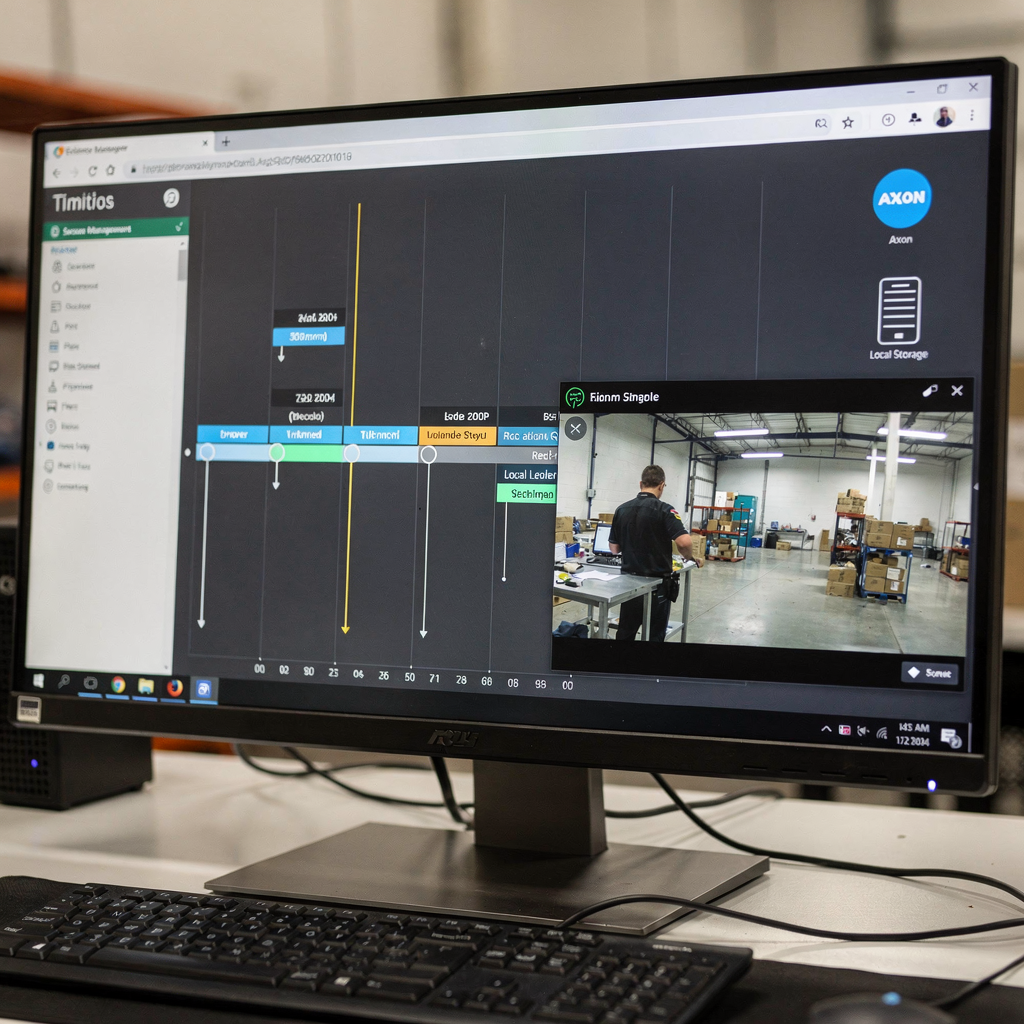
Automation, analyze and ethics for fair policing
First, as agencies adopt AI-driven workflows, they must confront bias risks and protect civil liberties. Next, facial recognition systems can reproduce historical biases, and agencies should limit use and require regular audits. Also, the international association of chiefs and the association of chiefs of police have recommended careful governance and transparency before deploying identification tools. Therefore, many agencies choose to run models offline, to retain control and to reduce exposure.
Then, privacy safeguards include access controls, audit logging, and strict retention policies. Also, keeping processing on-prem reduces cloud transfer risk. For example, our VP Agent Suite runs models inside the agency environment to align with compliance needs. Additionally, independent validation helps verify ai capabilities and to ensure models do not unfairly affect specific groups. Meanwhile, defense stakeholders such as justicetext underscore the importance of making processed material available to criminal defense firms in a timely way JusticeText example.
Furthermore, ethics requires human oversight. For critical moments flagged by AI, reviewers must confirm context before conclusions are drawn. Also, transparent logs and explanations improve accountability and allow teams to trace how a suggested action was produced. For agencies that need to analyze large amounts of video evidence, clear policy and vendor transparency matter. For more on bias and legal risks, consult recent research on AI in criminal justice AI in criminal justice research. Finally, when designed with safeguards, AI can be a force multiplier that enables faster, fairer handling of cases faster, and can help protect communities while preserving rights.
FAQ
What is an AI assistant for law enforcement video review?
An AI assistant is software that uses computer vision and language models to process and summarize video evidence. It reduces manual review time and helps teams focus on decision-making while keeping humans in the loop.
How accurate is AI transcription for body-worn camera audio?
Accuracy can exceed 90% on clear audio with tuned models and diverse training data. Still, noisy environments and radio chatter reduce accuracy, so human review remains necessary.
Can this system integrate with Axon Evidence?
Yes, the assistant can map metadata to Axon and export summaries so imports are clean and auditable. Integration reduces manual transfers and minimizes data-entry errors.
Will AI replace police report writing?
No, AI assists by producing a first draft and filling structured fields, but humans must review narratives for accuracy. Studies show AI does not fully remove the need for officer input in report writing research on report writing.
How does the tool handle redaction?
Automated redaction flags appear based on detection models and policy rules, and reviewers then redact as required. This workflow speeds release while protecting privacy.
Are the video and models processed on-prem?
Many deployments run on-prem to maintain control and to meet compliance needs, and our platform supports on-prem Vision Language Models. This reduces cloud exposure and eases auditability.
How does the system reduce time spent on video review?
By surfacing key frames, timestamps, and automated transcripts, the assistant lets investigators quickly locate critical moments. Industry reporting shows up to a 70% reduction in review time for body camera footage reduced review time study.
Can the AI help defense teams?
Yes, processed transcripts and indexed clips can be made available to defense counsel to ensure timely access to evidence. Organizations like JusticeText have used audiovisual analysis to support public defenders JusticeText example.
What safeguards protect against bias?
Safeguards include model audits, transparency reports, human review, and restricted use of sensitive modules like facial recognition. Agencies should adopt clear policies and independent testing to minimize bias.
How do I get started integrating this technology?
Begin by piloting on a small set of cameras and by defining success metrics such as reduced the time for review and improved incident detection. Also, consult real-world deployment guides and vendor documentation to align the platform with your existing workflow and RMS integrations.