ai: Introduction to AI Automation in Avigilon Control Rooms
AI automation in modern control rooms changes how teams work, and how facilities stay secure. AI applies models and rules to live and recorded streams so operators respond faster, and with more confidence. For example, AI systems can reduce false alarms by up to 90% according to Avigilon, and they operate 24/7 to provide continuous monitoring. As a result, security teams gain sustained coverage, and fewer routine events interrupt their shifts.
First, AI analyzes inputs from each camera and sensor. Then, it prioritizes events and creates context for operators. This lowers the cognitive load on every security operator, and it shortens response time. In practice, real-time detections are triaged so only verified situations require human attention. For instance, AI-powered video analytics will filter environmental motion, and will only alert on a genuine breach, and thus free up staff to focus on verified incidents. Also, this reduces operator fatigue and errors over long shifts.
Visionplatform.ai moves this further by turning cameras and VMS data into AI-assisted operations. We add a reasoning layer, and so detectors become understandable events, and decision support is available immediately. Our VP Agent Suite supports natural-language forensic search, which makes recorded video searchable like text. In addition, VP Agent Reasoning correlates video, access control, and procedures to verify whether an alarm truly matters. This combination reduces false alerts, and improves operator throughput. Finally, organizations that must comply with strict rules benefit because AI reduces unnecessary investigations and creates auditable event logs that show why a situation was considered valid.
To be specific, the power of AI and advanced video together changes how control rooms scale. Operators see fewer alerts, and they get clearer context. Therefore, teams can protect larger sites without a proportional headcount rise. In short, AI automation turns reactive monitoring into proactive, explainable operations. Furthermore, systems that leverage artificial intelligence and strong on-prem processing address privacy and compliance needs for sensitive environments.
avigilon: Seamless Integration with Avigilon Platforms
avigilon platforms aim to connect video, analytics, and control systems into a single workflow. The Avigilon Control Center and ACC alternatives are built to combine video management and analytics. In many deployments, avigilon control center works with Alta to provide cloud-ready and on-prem options. For example, ACC and Alta enable a unified security solution that integrates cameras, access control, and sensors. This makes it simpler to coordinate responses from one central console. Also, avigilon integration supports third-party devices and access control systems to create consistent operations across sites.
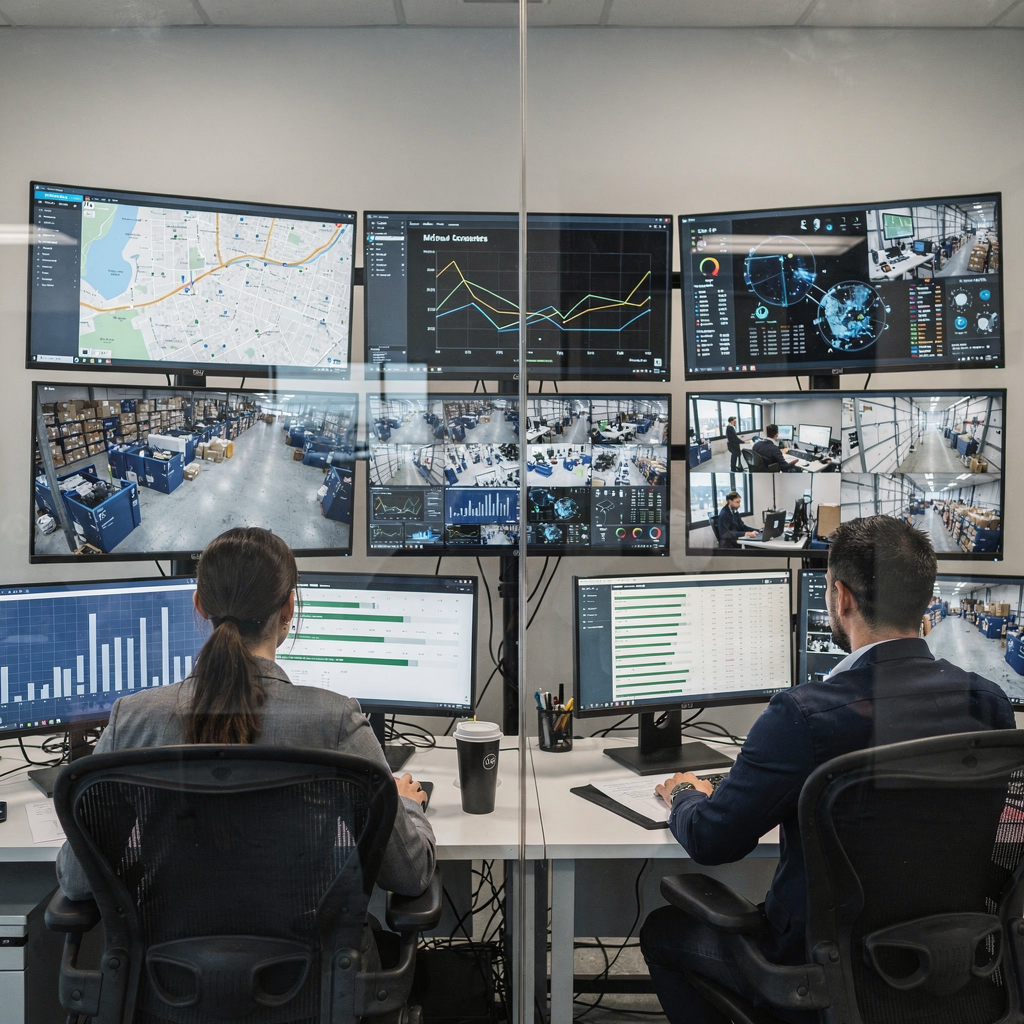
In sectors like finance and healthcare, compliance and risk drive upgrades. Financial institutions adopt integrated access control and video management software to meet audits and to protect assets. Healthcare facilities rely on integrated systems to protect patients, staff, and equipment while maintaining privacy. For organizations that need exact identification, avigilon provides tools like appearance search and LPR modules. These tools speed investigations so teams can find a person or vehicle quickly. For example, you can follow a vehicle using license plate and ANPR/LPR metadata, and then review related camera recordings across multiple sites.
Also, the avigilon Alta cloud architecture helps organisations scale their deployments while retaining centralized policy control. But many customers keep core analytics on-premises for data residency and latency reasons. In that case, a mixed approach can leverage both on-site processing and cloud orchestration. For operations that need natural-language search and decision support, visionplatform.ai complements these platforms by exposing VMS data as structured inputs for AI agents. This means operators can ask for a recent incident in plain language, and get verified results quickly, rather than manually hunting across several screens. Finally, for teams upgrading legacy setups, avigilon provides proven video surveillance capabilities and ACC software that work with modern analytics and access control solutions.
AI vision within minutes?
With our no-code platform you can just focus on your data, we’ll do the rest
video analytics: Real-Time Threat Detection and Analysis
Video analytics now runs at scale to detect and classify events. AI-powered video analytics modules spot loitering, intrusion, line crossing, and other behaviours that matter. These analytics tools designed to detect anomalies in live feeds, and they tag incidents so operators can review the right clips. For example, analytics can flag unusual activity near a restricted door, and then cross-check access control logs to verify who entered. This reduces false alerts and increases investigative speed. In fact, on-premises deployments still hold a substantial market share — about 53.54% projected for 2025 — while cloud solutions show the highest CAGR going forward according to market analysis.
Advanced video systems now include patented self-learning video analytics and appearance search technology that speed searches across hours of recorded video. For example, avigilon appearance search™ helps find the same person across many cameras. In addition, analytics like LPR and license plate recognition feed searchable metadata so investigators can pull evidence fast. Also, analytics filter non-threat events, and so fewer alerts reach the control room. This improves accuracy, and it allows teams to focus on incidents that require action. To illustrate, a perimeter breach will generate a higher priority alert than a stray animal, and operators see context and suggested workflows instantaneously.
Market reports show investments in control rooms are rising, especially in regulated industries that need continuous monitoring and compliance-driven upgrades. Moreover, by combining analytics technology with access control and sensor data, teams create unified workflows that speed response and reduce manual steps. For forensic needs, tools that support natural-language search and video intelligence cut average investigation time. For additional detail on search capabilities, see our forensic search resource for airports which shows how search transforms historical review forensic search in airports.
spot ai: Edge-Based Intelligence for Faster Incident Response
Spot AI and edge-based solutions push analytics close to cameras. As a result, systems process video locally, and they send only events and metadata to the central system. This reduces bandwidth usage, and it cuts latency so teams respond faster. An edge-first approach also helps in sites with limited connectivity. For instance, a local AI appliance can verify a perimeter breach at night, and then escalate a high-confidence alert to the control room. This keeps video data on-site, which supports compliance and privacy requirements.
Edge analytics reduce the amount of recorded video that must be transferred and stored. Instead, events and rich metadata travel to the VMS or to AI agents for reasoning. For example, an ai appliance at a gate can run LPR analytics and confirm a license plate match locally, and then forward only the matched event and clip to the operator. This pattern lowers cost, and it speeds verification. Also, reducing video transport improves resilience during outages.
Scenario examples make the benefits concrete. First, in a perimeter breach detection event, local analytics flag fence tampering and classify the type of intrusion, and then an immediate alert appears with suggested actions and nearby camera angles. Second, when a suspicious person loiters, edge AI can detect unusual activity and send a short verified clip to control room staff. In both examples, the initial detection happens close to the source, and the control room receives an explained alarm rather than raw motion. For airports and critical sites, these patterns enhance both safety and operational efficiency; see our perimeter breach detection guide for more on practical deployments perimeter breach detection in airports.
AI vision within minutes?
With our no-code platform you can just focus on your data, we’ll do the rest
avigilon alta: Scalable, Cloud-Ready Security Infrastructure
avigilon alta offers a cloud-ready architecture that scales from a single site to enterprise portfolios. Alta supports remote access to recorded video, live video monitoring, and centralized policy controls. For organisations that choose cloud-based access control, Alta enables consistent management across distributed locations. Yet many customers balance cloud features with on-prem processing for latency and compliance reasons, and a hybrid model is common. On-prem components handle time-sensitive analytics, while the cloud provides centralized dashboards and backups.
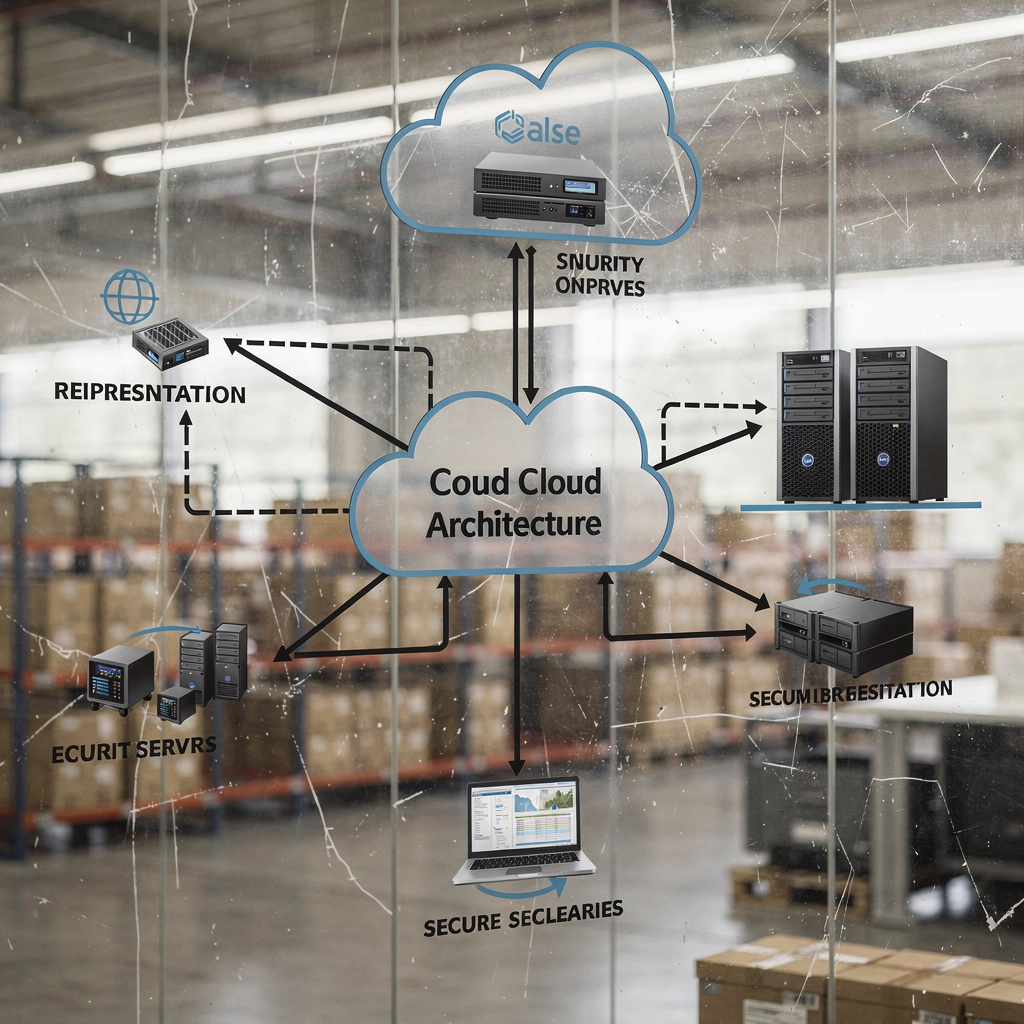
Comparing deployments, on-premises systems hold a significant share because of data residency needs, while cloud deployments grow quickly due to scalability and simplified management market research. avigilon provides tools for both approaches. In practice, avigilon provides a complete stack that includes device management, video management software, and cloud services. In addition, Alta supports network video recorders and cloud ingestion so teams can centralise forensic search and compliance records without sacrificing local processing. For remote operations, avigilon’s architecture enables a unified security solution that scales and adapts.
Visionplatform.ai complements such deployments by adding reasoning and agent capabilities. Our VP Agent Suite ingests VMS events, and then it provides contextual verification and guided actions. For example, the VP Agent can close false alerts with justification, create pre-filled incident reports, or instruct an access control manager to lock a door automatically. This integration reduces manual steps and shortens mean time to resolution. Finally, for sites that need high-definition video and advanced analytics like PPE detection or vehicle classification, a hybrid Alta design ensures both performance and managed scalability. For further examples of advanced detections, see our ANPR/LPR resource which explains vehicle and license plate workflows ANPR/LPR in airports.
avigilon ai: Powering Smarter Security and Future Trends
avigilon ai capabilities represent the power of ai when applied to security operations. AI-driven analytics enable predictive threat modelling and anomaly detection that evolve with site patterns. For instance, systems can learn normal traffic flows, and then flag deviations as potential threats. This proactive approach reduces surprise events, and it helps teams allocate resources efficiently. Additionally, integrating video intelligence with access control and operational systems unlocks broader operational uses beyond classic security. Examples include occupancy analytics, process anomaly detection, and automated SOP triggers.
Emerging trends point to unified ecosystems and predictive maintenance. AI agents will coordinate between sensors, VMS, and management systems to pre-empt failures or unsafe conditions. Also, with on-prem Vision Language Models, control rooms can keep video inside secure boundaries while still gaining the benefits of natural-language search and reasoning. This architecture aligns with stricter regulations and reduces cloud dependency. For organisations that need to explain decisions, the combination of patented self-learning video analytics and agent reasoning creates auditable trails that show why a detection was escalated or dismissed.
Future capabilities will include more autonomous workflows, but human oversight will remain central. For example, VP Agent Auto can handle low-risk repetitive tasks autonomously while keeping audit logs and escalation paths. In addition, advanced video and ai video solutions will increasingly interoperate with third-party systems through open APIs and standardized integrations. This move toward a unified security solution will make it easier to combine forensic search, appearance search technology, and automated response. Finally, industry voices like Motorola Solutions emphasize acting with certainty using smart AI, and that sentiment reflects a broader shift toward trustable, explainable, and proactive security technologies.
FAQ
What is AI automation in Avigilon control rooms?
AI automation refers to using machine learning models and analytics to process live video, metadata, and sensor inputs so control rooms receive verified, contextual events rather than raw detections. It includes real-time video analysis, automated triage, and decision support tools that speed operator actions.
How much can AI reduce false alarms?
AI-powered video analytics can reduce false alarms significantly; Avigilon reports reductions up to 90% in some deployments according to Avigilon. This reduction allows teams to prioritise real incidents and cut unnecessary investigations.
What is the difference between on-premises and cloud deployments?
On-premises deployments process video locally and keep data within site boundaries, which helps with latency and compliance. Cloud deployments offer scalability and centralised management, and market analysis shows cloud solutions growing quickly while on-premises still hold substantial share according to market research.
Can Avigilon integrate with access control systems?
Yes, avigilon integrates with access control solutions and can correlate card events with video to verify entries and suspicious behaviour. This allows combined workflows where access control and video intelligence confirm or refute an event in real time.
What is appearance search and how does it help investigations?
Appearance search tools allow operators to find a person or object across many cameras based on visual attributes. For example, avigilon appearance search™ can locate the same person through multiple camera feeds, speeding forensic review and evidence collection.
How do edge analytics like Spot AI improve response?
Edge analytics run near the camera and process data locally, which reduces bandwidth and latency. As a result, alerts and verified events reach the control room faster, and local LPR analytics can confirm license plate matches immediately.
What additional value does visionplatform.ai provide?
visionplatform.ai turns detections into AI-assisted operations by adding a Vision Language Model and AI agents that provide search, reasoning, and action recommendations. This reduces time per alarm and supports on-prem, auditable deployments for compliance-sensitive sites.
Are these systems suitable for airports and critical infrastructure?
Yes, control rooms for airports and critical infrastructure benefit from analytics like crowd detection, perimeter breach detection, and ANPR/LPR. These solutions support both safety and operational objectives while meeting strict regulatory and privacy needs; see our perimeter breach detection and ANPR resources for examples perimeter breach detection in airports and ANPR/LPR in airports.
What is required to deploy an AI-enhanced Avigilon solution?
Deployment typically needs compatible cameras, VMS integration, and compute resources either on-prem or at the edge. Many teams combine avigilon Alta, on-site analytics appliances, and agent layers like visionplatform.ai to enable both local processing and central management.
How do these technologies handle privacy and compliance?
On-prem processing and auditable logs help organisations meet data residency and regulatory requirements. Additionally, systems that keep video and models inside the environment reduce cloud exposure while still enabling advanced search and verified alerts.