axis
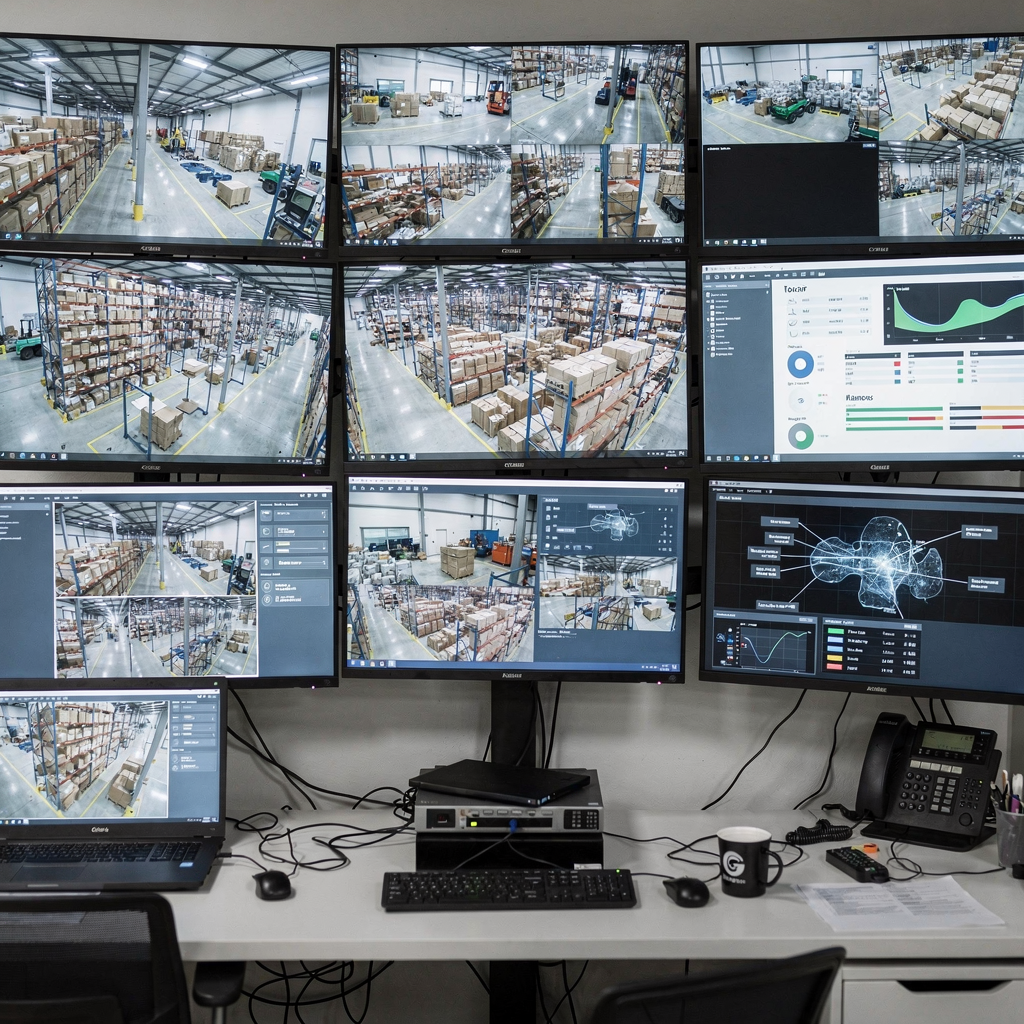
axis control rooms form the nerve center of critical infrastructure. They manage manufacturing lines, energy grids, and transport hubs. In practice, an axis control room combines operator consoles, live video, sensor feeds, and networked control systems. For example, operators view camera views and telemetry on a single wall or on multiple monitors. Axis control rooms often rely on solutions from axis to integrate cameras, access logs, and operational alarms so teams can respond fast and consistently.
Axis Communications hardware and software make centralised monitoring feasible. In particular, axis communications products pair with third-party systems. They enable VMS integrations and provide standardized streams from axis camera and axis network cameras. These streams feed ML models and rule engines. As a result, control rooms transform video into usable data. The architecture supports network cameras and PTZ units. It also supports fixed and thermal imaging. That flexibility matters in factories and rail yards where types of vehicles and detection needs vary.
Control rooms aggregate video surveillance and sensor data to feed AI models and human analysts. Cameras, access control logs, and SCADA telemetry merge into a single event bus. Then operators or agents correlate events to reduce false positives. For perimeter monitoring, axis object analytics, and local analytics on the edge help reduce bandwidth. That edge-based processing filters routine events, and then it forwards only critical events for deeper review. In tight compliance environments, axis camera station pro and on-prem solutions avoid cloud uploads. Therefore teams keep full control of video and metadata. This design supports cybersecurity and local data governance while enabling scalable operations.
visionplatform.ai fits naturally in this stack by adding reasoning on top of detections. Our platform turns alerts into context, and then it helps operators decide what to do next. For instance, rather than showing raw motion, the system explains who, what, and where. That reduces cognitive load, and it shortens response time. Finally, axis delivers the camera streams and device management, while visionplatform.ai supplies the reasoning layer that turns detections into operational value.
AI
AI reshapes how control rooms interpret live feeds and historical footage. In axis control rooms, AI systems run on edge devices and servers. They perform object recognition and behavioural analysis, and they flag unusual events before they escalate. For example, ai in video surveillance detects abandoned objects, person loiter, or a vehicle moving the wrong way. AI-based analytics then prioritise incidents for operator review, so teams focus on what matters most. This model helps reduce alarm fatigue and improves situational awareness.
AI in video surveillance also automates routine classification tasks. AI video analytics and ai-powered algorithms label persons, vehicles, and equipment. They sort alerts by severity. For high-value detection tasks, the platform can run ai-based video analytics on the edge to preserve privacy and meet compliance constraints. At the same time, central agents can aggregate metadata and provide a searchable timeline for investigations.
Robotics now joins cameras as an assistant in large control environments. Robotics units, inspired by Optimus-style designs, can perform repetitive or hazardous tasks and feed additional sensor data back to the control room. These robots act as mobile sensors that complement fixed video surveillance cameras. They extend patrols, and they can inspect machinery for anomalies. In such setups, AI coordinates cameras, robots, and operator workflows so teams get a continuous picture of operations. visionplatform.ai supports this flow by exposing APIs and by integrating agent actions, so robots become part of a managed response rather than an unmanaged device. Further, AI continues to evolve in ways that improve verification and reduce downtime.
AI vision within minutes?
With our no-code platform you can just focus on your data, we’ll do the rest
video surveillance
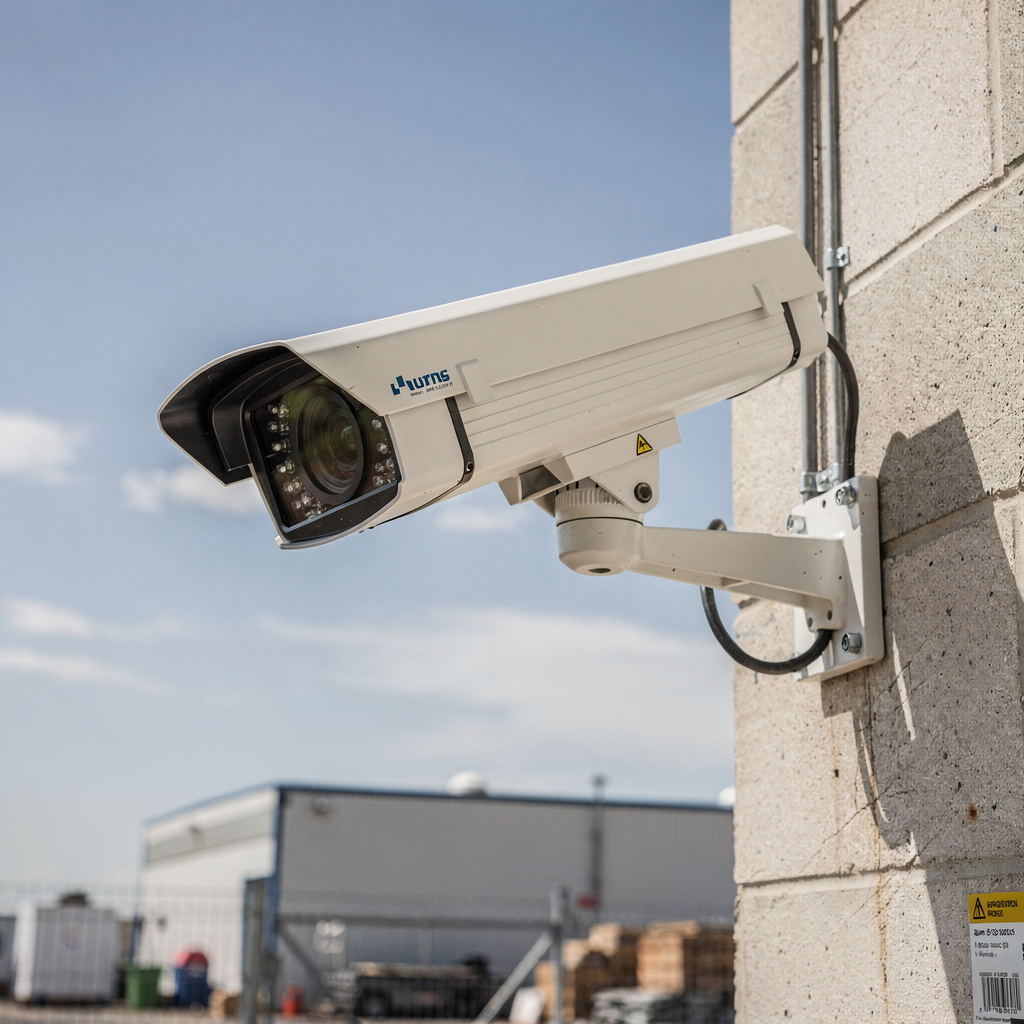
Video surveillance in axis environments uses networked devices to maintain constant visibility. Modern video surveillance platforms include high-resolution video, infrared or thermal sensors, and scalable recording systems. Axis camera solutions power many installations, and axis network cameras supply streams that plug into VMS and analytics engines. Cameras come in many formats. They include fixed domes, ptz cameras, and specialized thermal units for low-light conditions. Together they build a resilient mesh of observation points across a site.
Camera analytics and camera solutions on the edge help convert raw video into alerts. For instance, camera analytics can detect motion near restricted zones, flag loiter behaviour, or spot boundary crossings at a perimeter. When a suspicious event occurs, the system can create a timestamped clip and an immediate alert for operators. That process supports faster response and improves security and safety. Studies show that AI-enabled control systems contribute to a 20–25% reduction in safety incidents by providing early warnings and automated responses to hazardous conditions [source].
Vendors now offer surveillance solutions that scale from a handful of streams to thousands. Scalable solutions include distributed recording, metadata indexing, and search functions so teams can review past events quickly. For airport or port deployments, video surveillance cameras integrate with other systems such as access control and ANPR. For a practical example, see how ANPR and LPR tie into operations through linked detection and logging ANPR/LPR in airports. This multi-source approach reduces guesswork during incidents and speeds up investigations. As a result, operators regain control over both live video and historical evidence.
video analytics
Video analytics processes continuous video streams to spot patterns and anomalies. AI-powered video surveillance and video analytics models analyse pixel data, motion, and object tracks. They then generate summarized events that operators can review. For example, analytics can detect a worker missing PPE or a vehicle entering a restricted area. Those detections become event triggers that feed into incident workflows and reporting.
Predictive maintenance is a common use case where machine-learning forecasts failures and trims downtime by 30–40% when properly implemented [source]. In such setups, video streams combine with vibration and temperature telemetry. AI models learn normal patterns and flag deviations early. That combination maximizes the performance of equipment and reduces emergency repairs.
Analytics solutions now include dashboards and rule editors so teams can tune sensitivity and reduce false positives. An analytics application offers operators a single pane that shows live video, historical trends, and alert queues. That integration supports faster response and more consistent incident handling. For perimeter security, analytics can detect intrusion attempts and then set up automatic responses that lock doors or call security teams. In practice, analytics can detect persons, vehicles, and other objects of interest across various scenarios, and then it hands verified incidents to control-room workflows. To investigate behaviours like loitering, operators can use specialized forensic search tied to historical metadata loitering detection. This reduces time to confirm what happened and aids evidence collection.
AI vision within minutes?
With our no-code platform you can just focus on your data, we’ll do the rest
operational efficiency
Operational efficiency in axis control rooms improves when AI automation reduces repetitive tasks. Automation helps operators by filtering routine alarms, and then it directs attention to critical events. That change reduces manual monitoring and lets staff focus on decision-making. For instance, an AI-driven alert can contain context from video, access logs, and procedures so an operator does not need to switch between vms, procedures, and log books.
Adaptive control systems adjust parameters dynamically to save energy. These systems tweak HVAC, lighting, and process set points in response to occupancy and equipment state. Such adjustments drive 10–15% energy savings in many sites. At the production level, AI-driven process optimisation can boost throughput. One field case reported a production throughput increase of about 35% after integrating detection, closed-loop control, and operator augmentation.
visionplatform.ai helps maximize the performance of existing cameras and VMS by adding business intelligence and decision support. Our VP Agent consolidates video, metadata, and historical context so teams gain valuable insights without cloud dependencies. With searchable video and natural-language queries, forensic tasks get faster. That capability turns cameras into sources of business intelligence, not just security sensors. The platform also supports scalability and scalable solutions, so organisations can grow monitoring coverage without proportionally increasing staff. In short, AI reduces downtime, improves throughput, and raises the overall level of situational awareness in control rooms.
Finally, the market is growing rapidly. The global AI-in-industrial-automation market shows strong momentum, with projected CAGR in the mid-teens through 2030 [source]. Adoption rates mirror that trend, with more firms integrating AI-supported production processes and automated monitoring [source]. Investing in workforce training and proper governance helps organisations capture the operational efficiency gains while managing risks.
actionable insights
Actionable insights come from combining detections with context, and then presenting clear options to operators. Easy access to actionable insights speeds verification and resolution. For example, a verified alarm can include a short natural-language summary, supporting clips, and recommended next steps. That level of clarity reduces time per incident and improves compliance with procedures. Operators can then make informed decisions while retaining oversight of critical workflows.
Control rooms need rule-based notifications and access control integration so only relevant teams receive sensitive alerts. By tying video to access logs and asset registries, systems present an explained event instead of a raw alarm. The VP Agent Reasoning feature in our platform connects video, VMS metadata, and access control records to explain whether an alarm is valid. That reduces false positives, and it supports faster response. For example, an alert that correlates with a scheduled maintenance entry can be auto-marked as low priority and routed differently.
APIs and management software link actionable insights to downstream systems. You can trigger incident reports, notify mobile devices, or kick off escalation workflows from a single UI. In smart city and industrial settings, these integrations enable enabling smart cities and improved public services. To maintain trust and compliance, deployments must consider cybersecurity, data governance, and local processing. The platform supports edge-based deployments and on-prem models so video and models stay within the customer environment. This approach reduces cloud exposure while still allowing automated actions and faster response during critical events.
Looking at adoption, the state of AI in video shows many firms embracing AI-supported processes. Around 60% of manufacturing organisations had integrated AI-supported production by 2025 [source], and investments continue to rise. With the right architecture and training, organisations can transform video into operational advantage and enhance security and safety across operations.
FAQ
What defines an axis control room?
An axis control room centralises monitoring and control for critical infrastructure such as factories, energy grids, and transit hubs. It typically combines camera solutions, networked sensors, and operator consoles to provide situational awareness and coordinated responses.
How does AI improve video surveillance?
AI improves video surveillance by automating object recognition, anomaly detection, and event classification so operators receive fewer false alarms. It also prioritises incidents and supplies contextual data to speed verification and response.
Can AI help reduce downtime in industrial settings?
Yes. Predictive maintenance driven by machine-learning models can forecast failures and schedule repairs, helping to cut downtime by as much as 30–40% in some deployments [source]. Integrating video with telemetry helps spot early signs of degradation.
What is the role of edge-based processing?
Edge-based processing runs analytics on or near cameras to filter routine data and preserve privacy. It reduces bandwidth, supports cybersecurity goals, and allows immediate local responses without sending video to the cloud.
How do AI agents assist operators in control rooms?
AI agents aggregate detections, access logs, and procedures to verify alarms and suggest actions. They reduce cognitive load by summarising events, and then they can automate repetitive tasks under human oversight.
Are there standards for deploying AI in control rooms?
Yes. Organisations must address data governance, cybersecurity, and regulatory compliance such as the EU AI Act. Best practices include on-prem processing, auditable logs, and operator training to handle AI-augmented workflows.
How do I integrate existing cameras with AI systems?
Most systems use ONVIF or RTSP streams and VMS integrations to ingest video streams. visionplatform.ai supports common VMS platforms and converts camera events into structured inputs for AI agents so you can transform video into searchable knowledge.
What internal links or resources can help me learn more?
For specific detection topics, see our guides on people detection, ANPR/LPR, and loitering detection. Each page explains practical deployment and investigation workflows.
How do robotics tie into control room operations?
Robotics can act as mobile sensors that patrol areas, inspect equipment, and feed additional video and telemetry back to the control room. AI coordinates those feeds so operators get consolidated event summaries and recommended actions.
What are the first steps to adopt AI automation in a control room?
Begin by mapping your key monitoring goals and existing camera inventory, then pilot edge-based analytics on a few streams. Train operators on new workflows, and establish governance for data, models, and incident handling so deployments remain secure and auditable.