ai
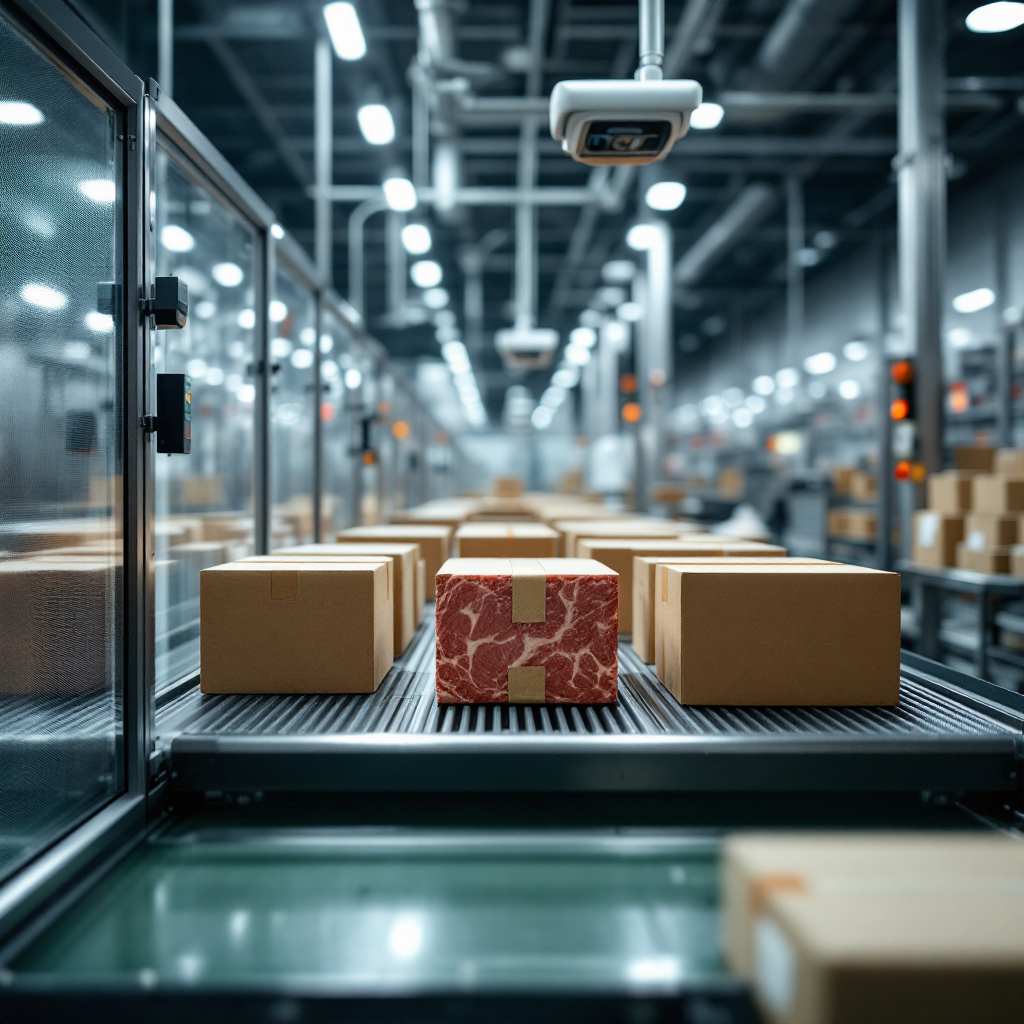
AI is reshaping food packaging. AI focuses on fast, accurate counts of meat trays on busy production lines. It reduces human error and boosts inventory visibility. In this chapter we explain how AI works in food packaging, with a focus on meat tray counting. We cover the technology, the role of CONVOLUTIONAL NEURAL NETWORKS, and why processors invest.
AI systems use computer vision and machine learning to identify packages as they move down a production line. They capture images, classify objects, and report counts to ERP or WMS. For example, CONVOLUTIONAL NEURAL NETWORKS help detect tray edges, labels and defects in real time. This use of artificial intelligence has driven accuracy improvements to over 95% in some pilots, reducing miscounts from double-digit rates to single-digit levels reported in smart factory trials. Also, AI shortens the time between production and inventory updates. Next, the system can publish events to dashboards and analytics. Visionplatform.ai turns existing CCTV into a networked sensor so facilities can use their video as operational data and lower false detections while keeping models local.
Poultry and meat and poultry processing plants adopt AI at different speeds. Small meat processors start with camera-based pilots. Large processing plants deploy at scale. Adoption rates rise because AI cut labor costs and rework while improving traceability. However, integration requires careful setup of cameras, lighting and model training. Therefore, teams plan datasets and validate AI models before full rollout. In addition, the ability to stream events to MES and BI systems makes AI valuable for supply-chain planning and inventory visibility. Finally, AI supports quality inspection and reduces operator fatigue on repetitive tasks. In short, use AI to get faster, more reliable counts and better downstream data for operations and compliance.
automate
Automate counting to save time and money. Manual counts on busy lines produce error rates up to 15%. Automated vision systems reduce those errors below 2% in many deployments according to industry reports. Also, companies report labour cost savings as high as 30% when they deploy counting robots and fixed cameras on the packing line Tishma Technologies documents these gains. The business case is clear: less human error, lower rework, and faster shift handovers deliver measurable ROI.
Automated systems handle hundreds to thousands of trays per minute depending on line speed and hardware. They rely on vision systems, edge compute and efficient models. A typical deployment uses cameras at strategic points, an edge server that runs AI inference, and a message stream to ERP and analytics. The system can also trigger an alert when counts fall out of expected range. Robotics can pick and place cases, while vision-based scanners confirm counts and packages and labels. Together, this hardware and software solution supports a fully automated counting process that syncs with pallet and crate tracking.
Also, automating reduces the queue of manual checks. It lets teams focus on exceptions. For instance, when the scanner misses a barcode or a tray is occluded, staff intervene only for that batch. This design limits operator fatigue and speeds audits. The solution also helps medium-sized sites scale. Use cases range from single-line pilots to multi-line, high-volume operations. Finally, deploying these systems supports digital transformation in the processing industry by improving inventory visibility and reducing miscounts across the warehouse and chiller zones.
AI vision within minutes?
With our no-code platform you can just focus on your data, we’ll do the rest
tray
Tray recognition poses technical challenges. Packaged meat comes in many shapes, sizes and materials. Trays, boxes and shrink-wrap cause reflections and irregular edges. These variations make object detection harder. AI teams must prepare diverse, labelled datasets to train robust models. Also, occlusions occur when trays overlap or when hands and tools cross the camera view. Systems must handle these occlusions without losing count integrity.
Lighting changes are common in factories. Shadows, specular highlights and conveyor movement change scene brightness. Computer vision models fail when they see conditions they were not trained on. Therefore, the training set must include night, day, and mixed lighting. The dataset should also cover packaging step differences such as sealed trays, open crates and pallet stacks. A well-labelled dataset speeds validation and reduces field rework.
Label quality matters. Teams label edges, barcode regions and damaged sections to teach the AI to ignore irrelevant features. Deep learning and machine learning techniques help the model learn robust features. In addition, labs run simulated tests on meat processing lines and then validate in live conditions. This staged deployment helps verify accurate counting before broad rollout. For example, pilots often start with one production line and then deploy across multiple batches once the model proves reliable. Finally, integrating a scanner and barcode reader as a secondary check raises confidence in counts and supports traceability audits.
vision ai
Vision AI combines cameras, edge compute and cloud analytics into a single operational service. Vision systems capture video; edge servers run fast inference; cloud tools aggregate analytics and long-term storage. This architecture lets teams keep sensitive video local while sending structured events outward. Visionplatform.ai offers a way to use existing CCTV as a site-specific sensor network. It supports model retraining on your footage and streams detections via MQTT and webhooks to business systems for KPIs and OEE.
A typical architecture places cameras above the production line, close to the conveyor. Edge devices run ai models to detect trays, labels and barcode zones in real time. The system logs each detection and sends an event to ERP and analytics. This method reduces latency and strengthens privacy controls. Vendors like Tishma Technologies provide integrated packaging machinery automation and have documented real-world throughput improvements in smart factory pilots Tishma case studies.
Vision AI also supports machine vision tasks beyond counting. Teams can inspect product quality, detect anomalies and create audit trails. A vision-based inspection loop helps QA and reduces rework. For example, an ai-driven inspection triggers an alert when label placement deviates from the standard or when packages show surface damage. The solution can then route an image and metadata to a QA operator for a quick decision. This flow improves product quality and strengthens traceability across the supply chain. Also, it creates a centralized, auditable record for compliance with regulatory requirements and retailer standards.
AI vision within minutes?
With our no-code platform you can just focus on your data, we’ll do the rest
streamline
Streamline operations by linking AI counts to downstream systems. When the ai system publishes count events, MES, ERP and supply-chain applications receive near-real-time data. This sync improves forecasting and replenishment. As a result, warehouses get updated inventory faster and procurement can plan more accurately. The improvement in inventory visibility reduces stockouts and lowers excess inventory in the chiller and warehouse.
Integration with MES and ERP supports automated workflows. For example, count data can trigger pallet build commands, generate shipping manifests, or start pallet labeling. The system can also feed analytics dashboards that managers use to monitor line speed and output. Visionplatform.ai can stream structured events via MQTT so teams can use camera data for operations and BI, not just security. This approach turns video into an operational sensor that helps simplify daily routines.
Also, automated counts enhance traceability. Each counted batch and crate links to a lot code and production timestamp. Traceability records reduce disputes during audits and improve recall responsiveness. Small meat processors benefit too. They can deploy scalable, affordable vision solutions that match their setup and batch sizes. Finally, by removing repetitive tasks from staff, AI helps teams focus on problem-solving and on how to improve product and customer satisfaction across the processing plants.

quality control
Quality control relies on accurate counting and consistent inspection. AI systems reach accuracy rates above 95% when trained on representative data and validated in live runs. These accuracy improvements meet retailer and regulatory standards and reduce disputes over shipment quantities. For example, early smart factory implementations report error rates falling from 10–15% to under 2% with AI assistance in production studies. Also, automated audit trails give auditors clear, time-stamped records for each batch.
AI also supports quality inspection beyond counting. Vision-based checks can inspect label placement, packaging integrity and surface defects. The system can flag anomalies and route them to QA for quick review. That reduces rework on the line and limits waste. In addition, linking counts to traceability records helps trace back to a pallet or crate and to the originating batch and farm. This chain-of-custody aids in recall management and supports sustainability goals.
Processors can adopt a staged deployment. First, they pilot on one production line and validate results. Next, they expand to high-volume lines and cold rooms. During deployment, teams measure ROI, operator acceptance, and integration impacts on MES, ERP and analytics. Finally, AI-enabled quality control increases customer satisfaction and strengthens compliance with regulatory requirements. In short, the right hardware and software solution helps meat and poultry processors reduce miscounts, reduce waste, and improve product quality while keeping data local and auditable for compliance.
FAQ
How does AI count packaged meat trays?
AI counts trays by analysing video frames from cameras placed over the production line. It uses models trained to detect tray edges, labels and barcode zones, and it emits count events to inventory systems.
What accuracy can I expect from a counting system?
Accuracy commonly exceeds 95% after proper training and validation, with pilots reporting error rates dropping to under 2% in field tests. Accuracy depends on dataset quality, lighting and hardware setup.
Can I use existing CCTV cameras for counting?
Yes. Platforms like Visionplatform.ai let you use existing CCTV as sensors and run models on-premise to keep data private. This reduces upfront hardware costs and speeds deployment.
How does vision AI integrate with ERP and MES?
Vision AI streams structured events to ERP and MES via MQTT or webhooks so counts update inventory and trigger downstream workflows. This integration supports pallet builds, shipping and traceability logging.
Will the system work in a chiller or cold room?
Yes, with proper camera selection and lighting the system operates in chillers. Thermal and environmental considerations are part of the setup to ensure reliable detections in low temperatures.
What about occlusions and reflections on trays?
Robust datasets that include occlusions and reflective surfaces help the models learn to ignore problematic artifacts. Secondary checks, such as barcode scans, further validate counts when the vision model is uncertain.
Do small meat processors benefit from this technology?
Yes. Small meat processors can deploy scalable solutions that reduce repetitive tasks and operator fatigue. They gain better inventory visibility and can meet retailer standards without large teams.
How do systems support traceability and audits?
Systems attach time-stamped count events to batches, pallets and crates, creating an auditable trail. These records simplify audits and speed recalls by linking counts to specific production batches.
What is the role of machine learning and deep learning?
Machine learning and deep learning power the detection and classification models. They learn to spot trays, labels and anomalies from labelled images and improve through continued training and validation.
How do I measure ROI after deployment?
Measure ROI by tracking reductions in miscounts, labor hours, rework and waste, and by comparing line speed and output before and after deployment. Improved customer satisfaction and compliance are additional, measurable benefits.