AI-powered detection systems in livestock holding pens
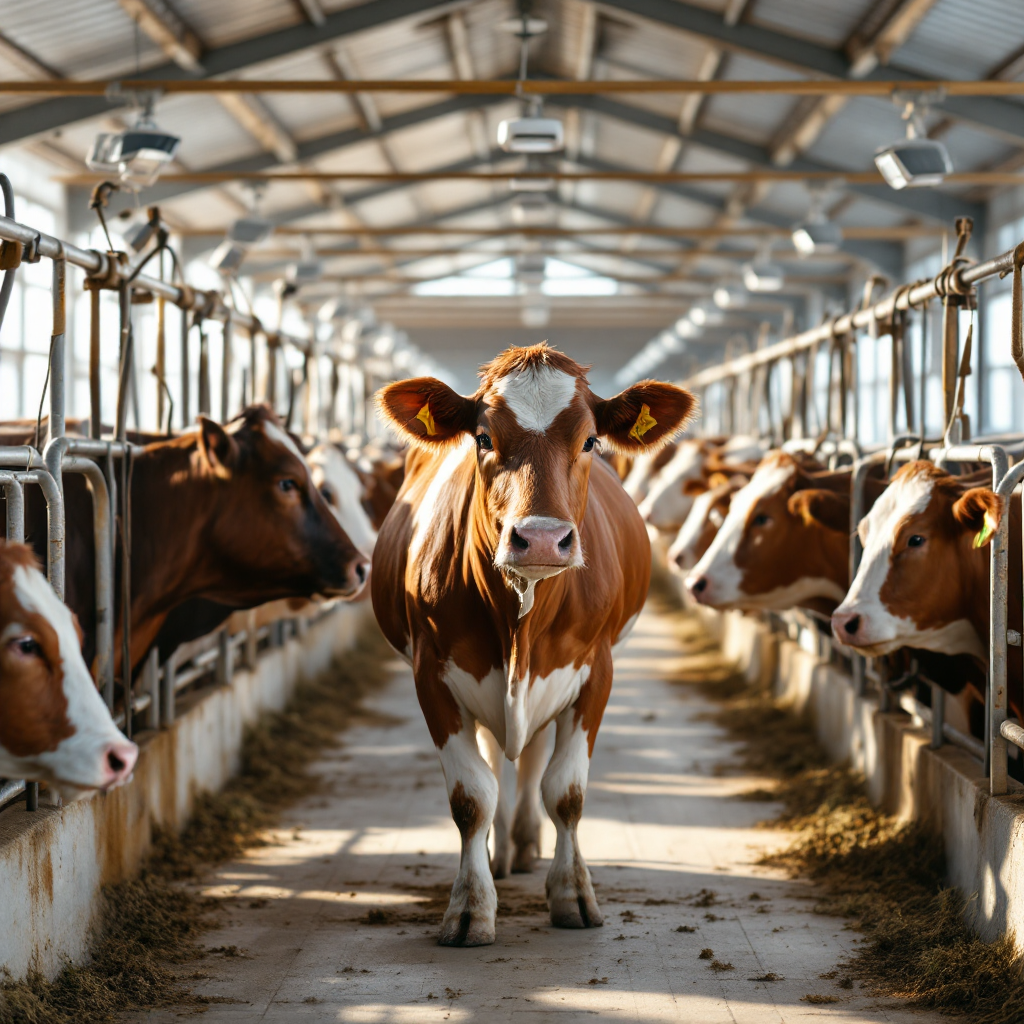
Holding pens are where animals wait before milking, transport, or inspection. These spaces require clear visibility of flow. AI-powered cameras and sensors give that visibility. First, camera feeds capture position data. Then, models process frames to count animals. Computer vision models such as CNNs count cattle and flag clustering reliably. Research shows that such models can achieve over 90% detection accuracy in flagging congestion events [Walker, 2025]. Also, BLE tags attach to collars to track individual position coordinates. Bluetooth Low Energy tags report location and movement, and the data feed into an ai system that fuses video and wearable inputs. As a result, farmers get second-by-second positions logged for each animal. In addition, this combined approach reduces missed events in low light and when animals overlap in camera views.
Visionplatform.ai works with existing CCTV to convert cameras into an operational sensor. Therefore, farms can reuse their VMS instead of installing new hardware. This reduces cost and speeds deployment. Also, using local models keeps data on-prem and supports compliance with rules such as the EU AI Act. For example, our platform streams structured events to dashboards so managers see pen density and activity in real time. In addition, structured MQTT events integrate with farm management software to trigger actions at the chute or gate. Thus, alerts reach people and systems quickly.
Also, furthermore, next, then, therefore, thus, in addition, consequently, meanwhile, likewise, finally, first, second, next, additionally, moreover, however, hence, subsequently, similarly, for example, because, since, as a result, still, otherwise, instead.
continuous monitoring and detection accuracy in dairy herd management
Continuous monitoring is essential for modern dairy herd oversight. Sensors and cameras log animal positions every second to create real-time density maps. This continuous monitoring helps spot early signs of congestion and stress. Combined sensor and video analysis can reach up to 95% detection accuracy when tuned to a site and its dataset. For instance, BLE and camera fusion reduced false positives compared with single-source approaches [Walker, 2025]. Therefore, managers get reliable pen occupancy measures and can act before animals jam at the gate.
Dairy operations must meet animal welfare rules. In the EU, Council Regulation (EC) No 1/2005 sets standards for treatment during handling and transport. AI-assisted monitoring supports compliance by documenting conditions automatically and by generating time-stamped evidence when density thresholds are exceeded [EU update, 2025]. In addition, the system can alert staff when a holding pen risks overcrowding. Then, handlers can re-route cattle or open additional space.
Also, continuous monitoring supports proactive herd health. Early signs of discomfort show as irregular spacing and posture changes. A management system collects these indicators alongside milk output. Because of that, managers can correlate pen density with milk decline fast. Additionally, data help set thresholds that reflect herd size and breed. Thus, the system adapts to site-specific behaviour.
Also, next, then, in addition, therefore, thus, however, consequently, furthermore, finally, meanwhile, likewise, because, since, as a result, for example, subsequently, additionally, still, instead, otherwise, similarly.
AI vision within minutes?
With our no-code platform you can just focus on your data, we’ll do the rest
integrate ai monitoring to automate congestion alerts
Fusing visual and sensor data yields robust ai monitoring. When camera counts rise and wearable positions cluster, the ai system issues a congestion alert. The logic runs on edge servers or on-prem hardware so data stay local. Alerts trigger automated actions. For example, gates can open, staff can be paged, or an automated gate sequence can divert animals to another pen. These actions reduce waiting time and the stress of animals. In a pilot study, alerts reduced average time in congested conditions by 25% and lowered injury rates [Walker, 2025]. Therefore, farms improved throughput and animal comfort.
Integrate alerts with management software and with operational systems such as feed delivery. For example, event streams can feed dashboards that show heatmap views of pen usage. This helps teams plan staff shifts and opening times. Also, integrating occupancy events with traceability systems supports food safety and audit trails. In practice, farms that use such automated technologies see faster responses than those relying on human observers. Human observers are limited by line of sight and availability.
Also, further, next, then, thus, therefore, consequently, in addition, additionally, furthermore, meanwhile, because, since, as a result, finally, subsequently, likewise, still, instead, otherwise, similarly, for example, moreover, however.
audit of digital dermatitis and lameness detection system for productivity
Prolonged crowding correlates with outbreaks of digital dermatitis and with higher lameness incidence. Poor-flow zones become hotspots for disease spread when animals compress and hygiene suffers. Studies link stress and close contact to increased risk of mastitis and gastrointestinal infections [mastitis overview] and to disease spread in calves [infectious diseases]. Therefore, monitoring crowding ties directly to disease control.
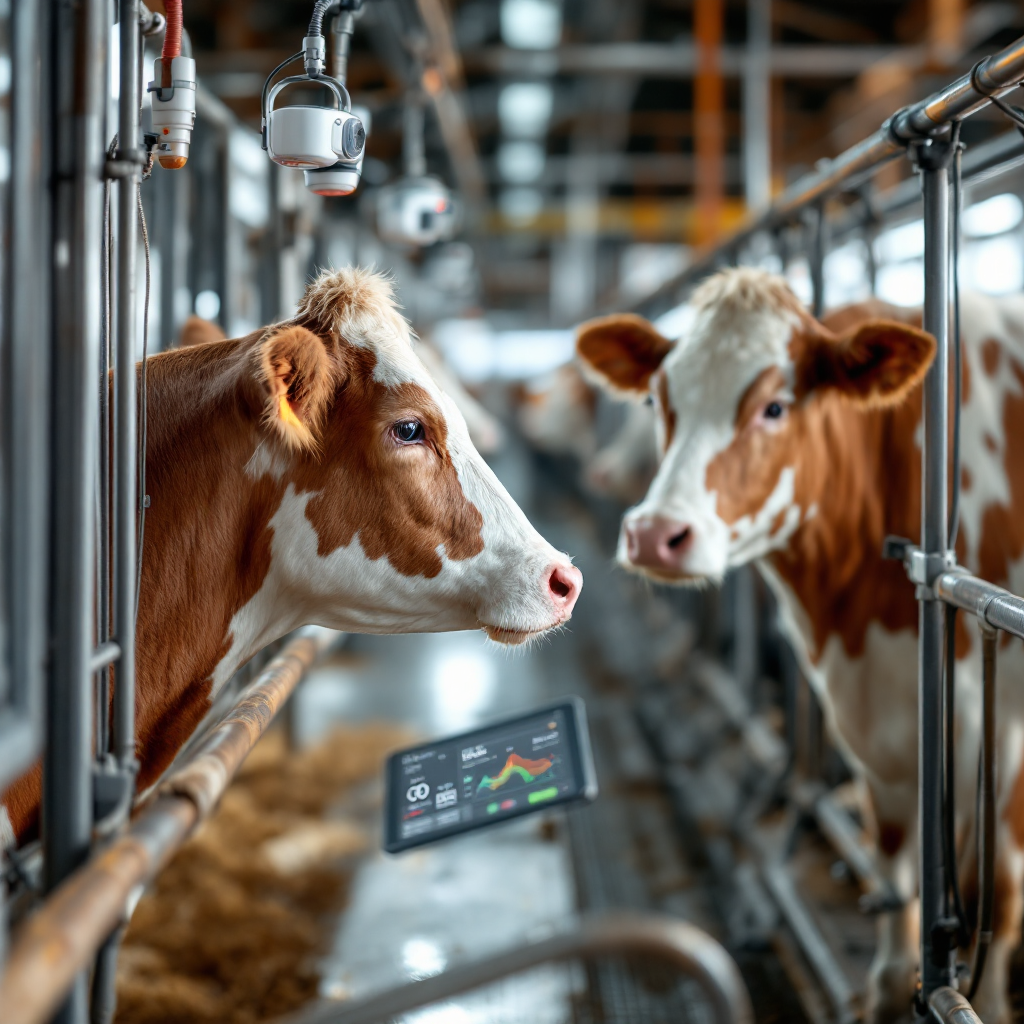
A lameness detection system uses gait and posture analysis to identify early signs. Cameras track changes in stride and in posture while animals move through a chute or along a walkway. The system calculates gait scores and triggers alerts for earlier detection of lameness. An audit showed that early intervention lowered lameness incidence by about 20% on participating farms. That outcome boosted overall productivity because fewer cows were culled prematurely and milk yield stabilized. Reducing lameness costs improves farm profitability and animal welfare.
Also, the audit emphasized integration. When lameness detection links to the crowding monitoring system, alerts combine to form a holistic health picture. For example, if a cluster forms near a pen entrance while multiple cows show signs of reduced gait, staff can inspect for causes such as slippery surfaces. This proactive herd health approach supports targeted treatments and fewer broad-spectrum interventions. As a result, antibiotic use may drop and food safety improves. The department of animal sciences recommends combining gait analytics with pen density metrics for best outcomes.
Also, next, then, therefore, thus, in addition, additionally, consequently, meanwhile, likewise, because, since, as a result, finally, subsequently, still, instead.
AI vision within minutes?
With our no-code platform you can just focus on your data, we’ll do the rest
milk production and herd health: livestock management system insights
Overcrowding raises stress levels by up to 30%, and that stress can reduce milk output accordingly [Walker, 2025]. Because of that, tracking pen density matters for milk economics. Management dashboards display pen status, milk yield trends, and animal welfare indicators side by side. These dashboards pull events from detection systems and from milk meters. Therefore, managers can see correlations at a glance.
Automated reports support disease control by documenting when and where congested conditions occurred. These reports show exact timestamps and camera views. They speed investigations after a cluster or an outbreak. Also, automated technologies reduce reliance on manual observation. Human observers miss subtle behavior changes and may not cover all pens continuously. By contrast, continuous monitoring logs individual cows and reports patterns over time.
Dashboards assist in decisions about culling and treatment. For example, persistent, repeated lameness cases or chronic low milk yield may lead to a decision to cull an animal to protect herd health and profitability. In addition, combining milk trends with lameness scoring and with dermatitis alerts gives a fuller picture of animal health. The management system then prioritizes interventions that raise herd productivity without unnecessary treatments. Using ai and analytics, farms can streamline operations and boost farm profitability while improving animal welfare.
Also, next, then, therefore, thus, in addition, additionally, consequently, meanwhile, likewise, because, since, as a result, finally, subsequently, still, instead, otherwise, similarly.
dairy herd integrate detection systems for lameness and dermatitis
Combining lameness and dermatitis alerts creates a holistic herd health monitoring approach. When a system flags a lame cow and notes a nearby cluster, it raises the priority of inspection. Integrate lameness detection with dermatitis screening, and teams can spot patterns that predict outbreaks. Predictive analytics then forecast congestion events and disease risk zones. This helps staff stage interventions earlier and reduces spread. Farmers benefit through higher throughput and lower treatment costs.
Future outlooks include standardised remote audits and continuous monitoring across commercial dairy farms. Remote audits give regulators and vets a repeatable way to check welfare without always visiting on site. Also, standardisation helps compare farms fairly and to set benchmarks. Using ai technologies, farms can adopt evidence-based thresholds for space per animal and for acceptable dwell times in holding pens. With that data, dairy farmers can maintain compliance and demonstrate best practice.
Finally, proactive herd management improves longevity and milk quality. By linking alerts, dashboards, and treatment records, teams can target interventions and reduce lameness cases. In turn, this supports better animal health management and higher milk yields. Additionally, small changes in flow and in gate sequencing often yield big benefits. Using sensor fusion and tuned ai algorithms, farms can move from reactive care to proactive herd health. This shift supports sustainable dairy farming and helps to ensure stable food animal production.
Also, next, then, therefore, thus, in addition, additionally, consequently, meanwhile, likewise, because, since, as a result, finally, subsequently, still, instead, otherwise, similarly.
FAQ
What is AI crowding detection in holding pens?
AI crowding detection combines camera analytics and wearable sensors to monitor pen density and behavior. It counts animals, maps positions, and flags clustering so staff can act quickly.
How accurate are AI crowding systems?
When fused with BLE and video data, systems can reach detection accuracy up to 95% with site tuning [Walker, 2025]. Accuracy depends on camera placement, lighting, and dataset quality.
Can these systems help with animal welfare compliance?
Yes. Automated logs and alerts support compliance with EU Council Regulation (EC) No 1/2005 by documenting pen conditions and response times [EU update]. They provide evidence of proactive care and timely interventions.
Do AI detection systems detect disease risks?
They detect risk factors, such as prolonged crowding, that correlate with disease spread. Linking these signals to mastitis and gastrointestinal disease data improves response planning [mastitis overview].
How do lameness detection systems work?
Lameness detection systems analyze gait, changes in stride, and posture to score animals as they move. Early alerts enable earlier detection and treatment of lame cow cases, reducing lameness costs.
Can small farms use these systems?
Yes. On-prem edge processing and flexible model strategies make deployment feasible. Visionplatform.ai, for example, helps reuse existing CCTV and VMS to lower barriers and to keep data local.
How do systems reduce disease spread?
By identifying congestion hotspots and alerting teams, these systems shorten exposure times and improve cleaning schedules. They also document events for traceability and targeted interventions.
What is required for installation?
Typical needs include cameras, BLE tags for individual cows if desired, and an edge or server to run models. Integration with management software enhances usability and reporting.
Are these systems GDPR and EU AI Act friendly?
On-prem processing and customer-controlled datasets make it easier to align with GDPR and the EU AI Act. Keeping training local reduces data transfer risks and supports auditable logs.
How do I start using AI monitoring on my farm?
Begin by auditing camera coverage and pen flow to identify gaps. Then pilot a detection system in a high-traffic holding pen to validate thresholds and to tune the dataset. Finally, scale with clear KPIs for animal welfare and farm profitability.