ai in the control room
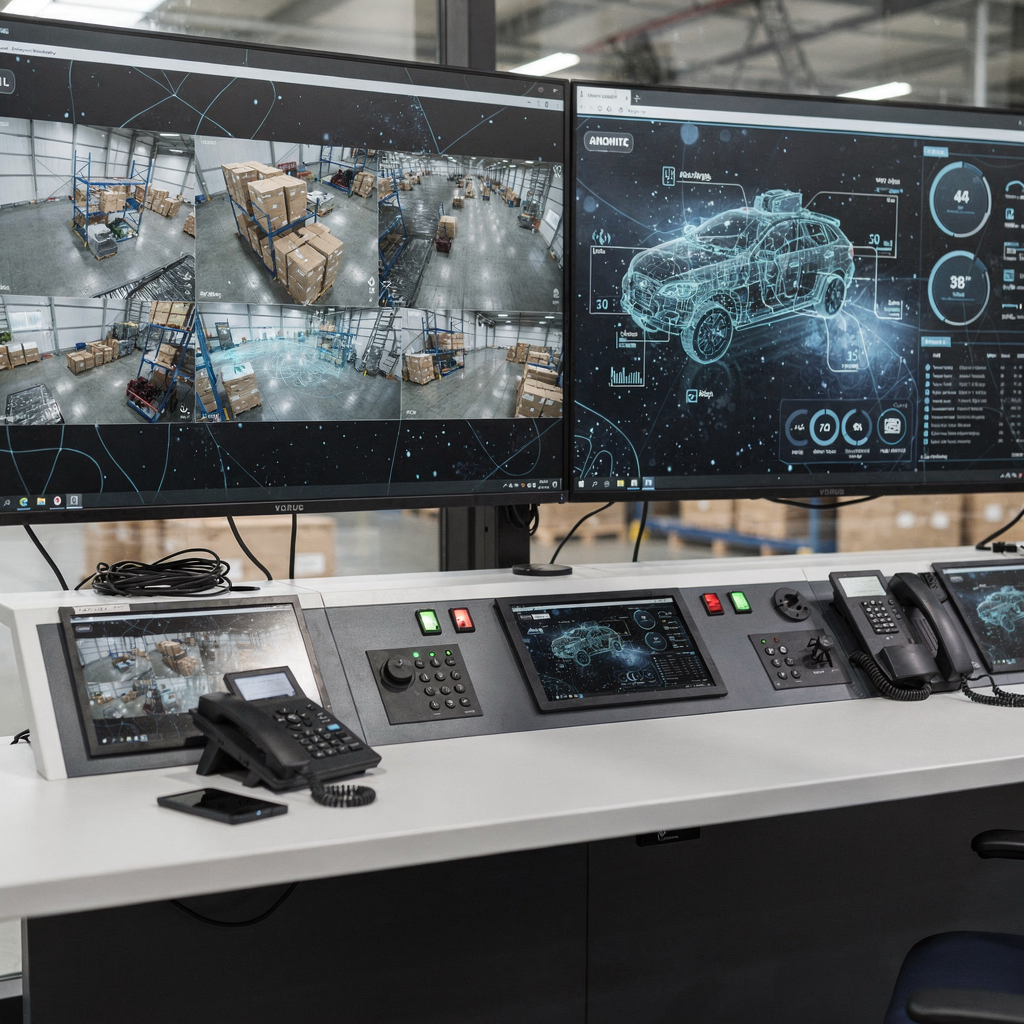
Control rooms must process vast sensor feeds and video. AI ingests those feeds and log data to give a unified view. First, AI connects data streams from SCADA, cameras, and meters. Then, it correlates timestamps, metadata, and alerts so the operator sees one timeline. For example, a control room using an on‑prem vision model turns video into searchable descriptions, which reduces information overload and makes it easier to prioritize incidents. In that environment, AI in control rooms helps reduce the time to verify events.
Second, anomaly detection runs continuously and flags deviations in seconds. Research shows machine learning methods reduce false positives by over 30%, which improves operational reliability and cuts unnecessary responses (source). Also, LLMs in power grid control rooms improve event triage accuracy by about 25% in live tests, which helps grid operators prioritize action faster (source). The speed gains translate into lower downtime and lower risk.
Third, control room operations benefit when AI summarizes events. The system can present an explained situation rather than a raw alarm. For instance, a vision language model will say what was detected, what video shows, and what other systems confirm the event. Thus, the operator gets context and can make informed decisions quickly. This reduces cognitive load and helps human operators retain oversight.
Finally, because data quality matters, AI also supports data cleansing and tagging. As a result, downstream analytics improve. For those reasons, modern control teams adopt AI to detect and explain critical issues, to speed response times, and to reduce repeated work. For further reading on forensic video search and context, see our explanation of forensic search in airports, which shows how searchable video supports fast investigations forensic search in airports.
ai-powered decision-making
Predictive models recommend optimal actions based on historical data and live inputs. For example, energy management systems lifted valuation accuracy from 70% to 95% while reducing costs by about 20% (source). That outcome came from combining predictive analytics with real-time data feeds. As a result, teams could prioritize maintenance and optimize energy consumption across distributed energy resources.
Explainability matters for adoption. Operators trust systems that explain their reasoning. A study on trust in clinical AI noted, “Without trust, even the most advanced AI systems will fail to be integrated effectively into control room workflows” (source). Therefore, transparent models, clear provenance, and human-in-the-loop workflows become standard. They help operators accept AI outputs and refine those models through feedback.
Furthermore, AI-powered decision support brings together sensor readings, procedural rules, and historical records. The result is actionable recommendations that the operator can accept, adjust, or reject. For mission-critical scenarios, that human oversight remains central so teams never lose control. In utility environments, this approach supports load balancing, outage triage, and demand response.
Visionplatform.ai focuses on turning cameras and VMS events into reasoning layers. Our VP Agent Reasoning correlates video, VMS metadata, and procedures to verify an alarm and propose the next step. This reduces false alarms and supports operators with concise, explainable guidance. For a practical example of how detection ties to decision workflows, read about intrusion detection in airports which shows how verified events drive operational responses intrusion detection in airports.
AI vision within minutes?
With our no-code platform you can just focus on your data, we’ll do the rest
machine learning automation for routine tasks
Automation of routine tasks frees operators for complex events. Machine learning automates data cleansing, tagging, and report generation. For example, systems can pre-fill incident reports and archive the right clips. This saves time and lowers manual errors. As a result, teams focus on critical issues.
Alert filtering is a clear win. ML models learn patterns and suppress nuisance alarms. Studies show ML reduces false positives by over 30%, which leads to fewer unnecessary dispatches and steadier staffing demands (source). Also, automated quality checks improve data quality before analytics run. Consequently, downstream predictions and visualizations become more reliable.
Workflow automation also schedules routine maintenance and runs system checks without human input. Predictive maintenance models spot wear patterns from sensor signatures and recommend service windows. These predictive insights reduce unplanned downtime and optimize spare parts inventories. In short, automation scales vigilance while maintaining human oversight.
At the same time, control rooms must avoid replacing operators with blind autonomy. Human expertise remains the guardrail. A human-in-the-loop design lets the operator review automated decisions and override them if needed. That balance retains accountability and supports human acceptance.
To explore a related operational example, our platform’s VP Agent Actions can notify teams, close false alarms with a justification, and trigger follow-up workflows. For airports and high-traffic venues, see how process anomaly detection in airports helps reduce manual review time by surfacing true incidents process anomaly detection in airports.
support collaboration for operator effectiveness
Interactive dashboards enable a human-AI dialogue. Operators can ask the system why it suggested an action. They can also correct the system and add context. In this way, models learn site-specific behaviors and improve over time. Feedback loops build trust and adaptability.
Trust building happens when AI explains itself and when operators can test alternatives. For instance, an AI tool that identifies a person at a perimeter can show the clip, list matching events, and recommend a response. The operator then accepts or refines the recommendation. That cycle strengthens human acceptance and makes the system a tool to help, not a black box.
Security synergy improves through joint monitoring. AI detects deviations and the operator confirms intent. Together they guard against insider threats and malware that target OT networks. Research supports such synergy: AI-driven security solutions reduce incident response times by up to 40% in industrial settings (source). This approach improves resilience across industries.
Moreover, shared workspaces and chat-style interfaces let multiple operators coordinate on the same event in real time. The system keeps an auditable trail, which helps compliance and forensic review. For forensic video and timeline searches that support collaboration, check our VP Agent Search for natural language queries over recorded video forensic search in airports.
AI vision within minutes?
With our no-code platform you can just focus on your data, we’ll do the rest
power and utility grid operator by 2025
Forecasts expect high uptake of control room AI. Analysts predict over 60% of EU utilities will deploy AI-driven control tools by 2025 for monitoring and response. That figure reflects investments in smarter load balancing and increased use of distributed energy resources. In practice, smarter systems help integrate renewables and energy storage to balance supply and demand.
Renewable integration benefits from predictive models that forecast generation, weather, and energy consumption. These models recommend when to charge storage and when to shed load. As a result, grid stability improves and curtailment falls. Grid operator teams can make informed decisions that preserve safety and service quality.
Performance gains include faster fault resolution cycles. Some deployments project a 20% reduction in downtime and quicker restoration. Such outcomes stem from combining real-time analysis, historical data, and automated playbooks. Together they reduce human latency in response and keep system performance high.
However, adoption is not only technical. Regulatory pressure, such as the EU AI Act, shapes on-prem choices. Companies prefer architectures that keep video and models inside the operational environment. For that reason, on‑prem solutions that support audit trails and data control gain traction. Finally, to see how video can become an operational sensor rather than a simple detector, review our people detection and counting features, which help plan resource allocation at busy sites people counting in airports.
artificial intelligence for human decisions
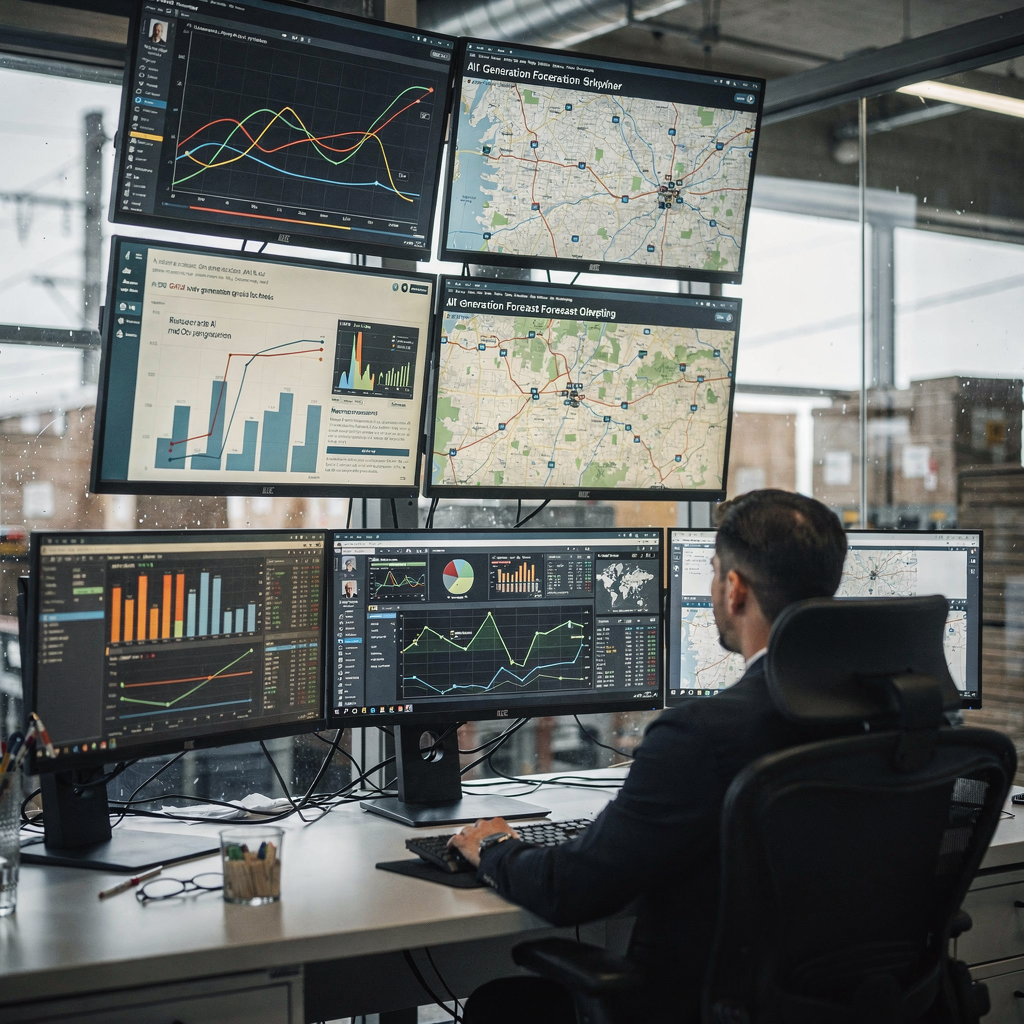
AI supports situational awareness by summarising complex inputs into concise briefings. For instance, a decision support system extracts the relevant data points and ranks actionable options. Then the operator can quickly prioritize steps. This structure helps teams handle peaks in workload and reduces cognitive strain.
Balance of roles must be explicit. Clear hand-off points define when AI proposes, when the operator decides, and when escalation is required. That approach preserves oversight and prevents accidental replacing operators with blind automation. Human oversight matters especially in mission-critical contexts.
Ethics and compliance shape how AI operates. Systems must protect privacy, explain reasoning, and log decisions for review. A trustworthy approach follows transparency, which in turn supports human decisions and long-term adoption. In supporting complex systems, AI should enhance human expertise, not erase it.
Finally, practical deployments use AI to identify patterns in wind turbines, to prioritise maintenance work, and to optimise energy resources. These tools deliver valuable insights and predictive analytics while keeping humans in charge. Visionplatform.ai’s design keeps video and models on‑prem and provides audit trails so teams can fully leverage AI without compromising compliance. This preserves both operational effectiveness and the ability to trace why a specific ai-driven decision was made.
FAQ
What is AI decision support for control rooms?
AI decision support describes systems that process data and propose actions to human teams. They distill vast amounts of data into recommendations so human operators can act faster and with more confidence.
How does AI improve situational awareness?
AI summarizes inputs, correlates events, and highlights what matters. Therefore, operators get clear, prioritized information and can focus on making informed decisions.
Will AI replace control room operators?
No. AI acts as a powerful tool to help human experts, but human oversight remains central. Systems are designed for human-in-the-loop operation and escalation.
Are AI systems secure for operational use?
AI solutions must be deployed with security best practices, including on‑prem options and audit logs. Combining AI detection with human review and monitoring reduces risk.
What about false alarms and nuisance alerts?
Machine learning models reduce false positives by learning context and site behavior. This lowers alert fatigue and improves overall efficiency.
How quickly can AI-identify and flag events?
Modern systems can flag incidents within minutes and sometimes within seconds, depending on infrastructure. Real-time analysis supports faster responses.
Can AI handle predictive maintenance?
Yes. Predictive models analyze sensor patterns to recommend maintenance windows and spare parts. These predictive insights reduce unplanned downtime.
How do operators provide feedback to AI?
Feedback loops let operators correct classifications, confirm actions, and update rules. This refines models and builds trust over time.
Is on-prem deployment important?
On‑prem deployment keeps video and models inside the operational environment, which helps with compliance and reduces cloud dependencies. Many organizations prefer this for data control.
Where can I learn more about practical deployments?
Explore case studies and feature pages such as our intrusion detection, process anomaly detection, and forensic search pages to see real examples of AI-assisted operations. These resources show how AI supports operators while keeping human oversight intact.