Fujitsu’s ai-driven Monitoring Platform for Hand-Washing and Gowning
First, next, then, also, additionally, however, therefore, thus, in addition, finally. Fujitsu designs an AI-driven platform that automates compliance tracking at wash stations and gowning points. The system uses multiple synchronized cameras, an AI engine, and on-prem hardware to monitor behavior and to issue instant cues. The platform processes streams on edge devices and avoids sending personal data to the cloud. As a result, hospitals can keep control of sensitive footage while they improve patient safety and lower costs.
The system overview is straightforward. Cameras watch sinks and PPE benches. An AI engine analyzes video and flags omissions. Real-time alerts appear on screens and on mobile devices. The platform integrates with facility management and with a dispenser or existing sensor network. This workflow helps teams respond immediately when a clinician fails to wash their hands before patient care. The concept aims to cut hospital-acquired infections by making correct steps easy to follow.
Core technologies include convolutional neural networks and masked self-attention modules. These components learn to recognise hand movements and to detect staged steps in hand washing. Vision systems also use normalization around hand landmarks so distance and size do not bias results. The architecture blends computer vision with machine learning, and it connects to hospital IoT for status telemetry. For hospitals that want to leverage existing CCTV, platforms such as Visionplatform.ai show how you can reuse VMS footage and keep models local without vendor lock-in (PPE detection in airports).
Goals are simple and measurable. First, automate compliance tracking. Second, provide real-time feedback so staff can quickly correct lapses in hygiene. Third, reduce reliance on manual audits that carry observer bias. Early empirical studies report significant gains. For example, electronic monitoring systems linked to AI reported as much as a 30% uplift in adherence compared to manual observation (source).
Finally, implementing AI here is a potential solution for persistent challenges in healthcare facilities. The approach combines an ai system, hardware and software designed for strict hygiene, and a management system that outputs audit-ready metrics. In practice, the platform helps teams focus training where it matters and supports lasting behavior change.
Leveraging ai for Real-Time hygiene Surveillance in Healthcare
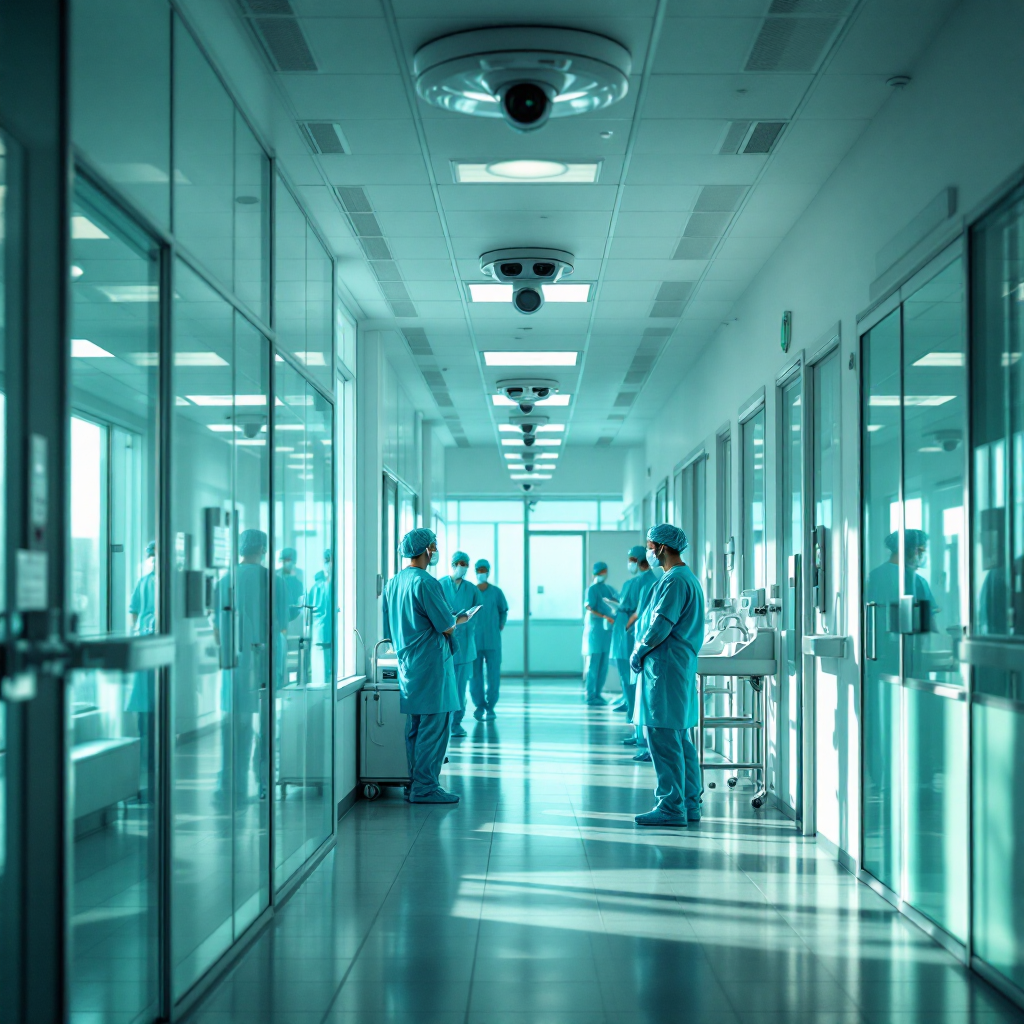
First, also, next, then, therefore, however, additionally, consequently, thus, in addition. Camera placement matters. To capture full coverage, hospitals position cameras around sinks, along gowning benches, and near patient room entrances. Multiple views reduce occlusion and allow a composite analysis of each action. For example, a three-camera setup can record the full sequence so AI models can verify that staff scrub their hands and put on personal protective equipment correctly.
AI models trained with annotated footage can detect hand washing steps with 95–100% accuracy in controlled tests. Studies using self-attention architectures and multi-perspective inputs report near-perfect recognition of scripted sequences (self-attention study). Additionally, an on-device AI system proved reliable for real-time personal protective equipment monitoring in clinical trials (PPE real-time monitoring).
Systems provide real-time feedback via screen prompts and mobile alerts. When a clinician approaches a patient without a gown, the AI sends an alert to a nearby display. When a sink is used but a soap dispenser is bypassed, the camera system logs the lapse and an alert can remind the user to wash their hands. The platform can also publish events to OT and BI systems using MQTT so front-line managers see trends live. This design helps teams correct non-compliance quickly, and it supports a culture of quick, data-driven improvement.
Hospitals can leverage AI to improve workflow while protecting personal data. Edge processing means footage need not leave the hospital. For sites that already run extensive VMS, the approach reduces cost and speeds deployment. Visionplatform.ai demonstrates how to turn existing CCTV into an operational sensor network, enabling detections and streaming events to business systems for analytics. For more on camera-based occupancy and counting that complements hygiene analytics, see the people counting resource (people counting in airports).
AI vision within minutes?
With our no-code platform you can just focus on your data, we’ll do the rest
Boosting compliance and Tracking hand hygiene compliance with Cameras
First, therefore, next, also, additionally, consequently, thus, in addition. Baseline audits rely on observers who watch a small sample of shifts and who log events manually. Those audits can be accurate, but they are costly and suffer from observer fatigue and selection bias. Electronic monitoring reduces that burden. Electronic monitoring systems combined with AI-powered systems allow continuous tracking around the clock. This gives managers a fuller view of adherence and of non-compliance trends.
Quantitative comparisons show an uplift of up to 30% in adherence when sites move from manual audits to AI-monitored programs (measuring healthcare worker hand hygiene). Personalised dashboards help staff see their own hand hygiene data. Periodic reports can compare teams, shifts, and units. Over time, these insights reduce lapses in hygiene and can significantly improve patient outcomes by lowering infection rates.
Resource savings follow. Automated detections remove the need for a large audit workforce. They also eliminate observer bias and allow infection control teams to focus on targeted interventions. The system can integrate dispenser telemetry to confirm actual hand hygiene dispenser use and to correlate dispenser activations with camera-verified actions. That combined data helps teams measure not just if people wash their hands, but how well they follow hand hygiene protocols.
Hospitals also gain operational value. By integrating camera events into existing dashboards, leaders can monitor high-risk zones and adjust staffing or layout. If clinicians consistently miss steps when a sink is poorly placed, a redesign can fix the issue. This use of visual insights turns raw footage into actionable change. In short, AI solutions make it easier to track, to report, and to enhance compliance while lowering costs and improving daily routines.
Using generative ai and ai to improve Feedback Mechanisms
First, next, also, therefore, however, additionally, consequently, thus, in addition. Generative AI can craft tailored reminders and learning tips for staff. Instead of generic alerts, the system delivers specific guidance based on observed errors. For example, if a clinician skips a wrist rub in a handwashing sequence, the system can suggest a short micro-training video that shows the missed step. These targeted cues help correct specific behaviors faster than generic posters or emails.
AI-driven nudges time prompts to high-risk moments, such as before patient contact or after leaving an isolation room. The approach uses event streams from cameras and from door sensors to predict when a clinician approaches a patient, and then it offers a gentle reminder to wash their hands. This method uses a combination of ai system logic and behavioural science to prompt action when it matters most. Using artificial intelligence in this way supports staff rather than policing them.
Systems can push notifications to mobile phones and to wall-mounted displays. They can also publish structured events to hospital IT so that clinical dashboards reflect compliance with hand hygiene protocols. Integration is simple for teams that already use VMS and for those that want an ai platform that stays on-prem. Visionplatform.ai shows how to stream events to MQTT and to operations stacks so camera alerts support workflows beyond security.
Generative AI also personalises messaging for diverse learner needs. For new hires, the system can surface basic steps. For experienced staff, it can offer focused refreshers. These tailored paths improve retention and form a continuous training loop. Ultimately, combining generative AI with real-time feedback creates an adaptive learning system that helps reduce non-compliance and that supports behavior change.
AI vision within minutes?
With our no-code platform you can just focus on your data, we’ll do the rest
Analysing human behavior and hand hygiene practices in Clinical Settings
First, then, also, next, therefore, however, additionally, consequently, thus, in addition. Understanding human behavior is essential to improving adherence. Heavy workloads, cognitive load, and forgetfulness drive lapses in hygiene. Video-based analytics reveal patterns. They show when staff skip steps and why they do so. Those insights let infection control teams design targeted training and adjust processes.
AI can detect subtle cues such as rushed hand movements and incomplete rub sequences. By correlating those events with shift times and with patient room occupancy, teams can find pressure points. For instance, AI may show higher non-compliance in peak hours or near busy patient rooms. Managers can then add staff, relocate a sink, or change a workflow to reduce bottlenecks. These small changes often yield big returns for patient safety.
Behavioral nudges and incentives work best when they match observed patterns. Combining AI alerts with short coaching sessions and with personalised dashboards encourages lasting change. A systematic review of AI applications in infection prevention supports this mixed approach, noting that monitoring must pair with behaviour change techniques to be effective (systematic review).
Video insights also help with compliance with gowning and personal protective equipment. Studies report very high accuracy when AI tracks multi-step donning and doffing sequences, which reduces risks during outbreaks and in routine care (PPE accuracy study). Hospitals benefit when they can map individual behaviors to outcomes, and when they can leverage data to train staff more effectively. These approaches lead to cleaner processes and to strict hygiene that patients and regulators expect.
Recognising hand hygiene is a key Component for food safety and Infection Control
First, next, also, therefore, however, additionally, consequently, thus, in addition. Hand hygiene is central not only in healthcare but across the food industry and in labs. Food safety audits already use step-by-step visual checks to confirm that workers wash their hands and that they use gloves correctly. Lessons from food service apply directly to hospitals. For example, simple camera checks can confirm that staff wash their hands after handling raw materials and before serving food.
Extending camera monitoring to gowning and to full PPE protocol is straightforward. AI models can detect glove use, gown closure, and mask fit. These detections help maintain strict hygiene in clean rooms, in kitchens, and in clinical settings. For organizations that must comply with tight regulations, implementing AI helps standardise checks and produces auditable logs for inspectors. The approach can also help manage resources and reduce waste by showing where compliance falls short.
AI offers a potential solution to persistent challenges introduced during the covid-19 pandemic, when both health systems and food systems faced supply shocks and changing safety needs. Across sectors, teams can use ai-enabled tools to monitor personal hygiene, to verify hand hygiene dispenser use, and to reduce outbreaks. AI-powered systems therefore play a role in lowering costs, in shortening response times, and in sustaining strict hygiene across operations.
Finally, cross-industry applications suggest a future where the same ai platform supports multiple sites. Visionplatform.ai, for example, allows teams to reuse models and VMS footage to build site-specific detectors. In this way, organisations can implement AI to improve their hygiene processes, to manage personal protective equipment, and to make compliance with hand hygiene protocols part of daily routines. The result is safer workplaces and ultimately improving outcomes for patients and consumers alike.
FAQ
What is an AI-driven hand hygiene monitoring system?
An AI-driven monitoring system uses cameras and machine learning to observe hand hygiene actions. It analyses hand movements and dispenser interactions to provide real-time feedback and reports.
How accurate are AI models at detecting hand-washing steps?
Controlled studies report detection accuracy in the 95–100% range for scripted sequences, especially when multi-camera views and self-attention models are used (study). Accuracy varies in busy, real-world settings, so validation and site-specific tuning are important.
Can these systems respect staff privacy?
Yes. Edge processing and on-prem deployment keep video inside the hospital and reduce risks related to personal data. Platforms that let you own models and logs help with GDPR and related compliance.
Do AI monitors replace manual audits?
No. They complement audits by reducing workload and offering continuous coverage. Electronic monitoring systems produce comprehensive data that helps direct manual audits more efficiently (evidence).
How do alerts reach staff in real time?
Systems send real-time feedback via wall displays, mobile alerts, and integrated dashboards. They can publish events over MQTT to operations systems so managers get instant situational awareness.
Can generative AI personalise training?
Yes. Generative AI can create tailored reminders and micro-learning for specific errors observed by cameras. This targeted approach helps correct behavior quicker than one-size-fits-all training.
Are these solutions useful outside hospitals?
Absolutely. Food industry and food service operations benefit from visual checks that confirm hand hygiene and PPE use. Labs and clean rooms also gain from step-by-step monitoring to prevent contamination.
What are common barriers to adoption?
Barriers include integration with legacy systems, concerns about personal data, and the need for site-specific model tuning. Combining technical solutions with behavior change programs helps overcome these challenges (systematic review).
How do these systems impact infection rates?
Empirical studies show substantial improvements in adherence and reduced risk of hospital-acquired infections when monitoring is paired with feedback. One report found up to a 30% increase in adherence after implementing electronic monitoring (source).
How can I learn more about practical deployments?
Review case studies and integration guides that explain hardware and software choices, and explore platforms that work with your VMS. For technical readers, resources on people detection and forensic search show how video analytics become operational: see the forensic search page (forensic search in airports).