AI-powered Video Intelligence Layer: Foundations of Artificial Intelligence and Video Analytics
The AI-powered video intelligence layer sits on top of raw video and turns frames into meaning. It acts as an intelligence layer that helps systems observe, reason, and respond. At its core this layer combines computer vision, machine learning, and natural language capabilities to analyze visual data. The architecture runs models that learn from labeled footage and that generalize to new scenes. In practical deployments, AI models run on edge servers or on-prem GPUs to avoid exporting sensitive video. This keeps data local and supports EU compliance.
To define terms, artificial intelligence here refers to systems that perceive and act. Computer vision extracts objects and context. Deep networks recognize interactions and sequences. Natural language components turn visual events into searchable text. That conversion makes hours of footage queryable with natural language queries and reduces time to investigate incidents. visionplatform.ai builds on this idea by adding a Vision Language Model that makes video searchable in human terms, and by exposing events so AI agents can reason about them within existing infrastructure.
Key functions of the layer include object recognition, behavior analysis, and event correlation. It can detect a person or vehicle, flag unusual motion, and summarize a sequence into a short description. This goes beyond simple object recognition to provide richer insights and to support decision making. Security teams receive verified alerts rather than raw detections. The result is operational efficiency that reduces manual review and that accelerates response. In many sites, the platform integrates with video management systems and VMS feeds to ensure seamless workflows and scalability.
When you design the layer you must plan for deployment, model updates, and data governance. The architecture should support model retraining with local examples. It should log decisions for audit and for continuous improvement. And it should provide explainability so operators can understand why an alert fired. These design choices determine how well the intelligence layer supports control-room work and how effectively it reduces false alarms and reduces human error.
Real-time AI Analytics for Smarter AI-driven video Monitoring
Real-time processing changes how teams operate. Systems that perform real-time analysis of video streams can alert operators in seconds. They can monitor multiple feeds and prioritize incidents that need immediate attention. This reduces operator load, and it accelerates detection to response time. When a crowd pattern shifts or a vehicle moves the wrong way, operators see context and recommended actions. The system can automate routine checks and can route high-risk items to human review.
AI analytics here means continuous inference and fast correlation. The software runs advanced AI at the edge and in control rooms so that real-time alerts are enriched with context. For example, a crowd density model can combine with access-control events to create a verified alert. That verification lowers false alarms and lets teams focus on real threats. Smarter anomaly detection spots behavior that deviates from historical norms. In traffic management, the same approach detects stopped vehicles, unintended U-turns, or unsafe merges, and it triggers procedures that keep flow moving.
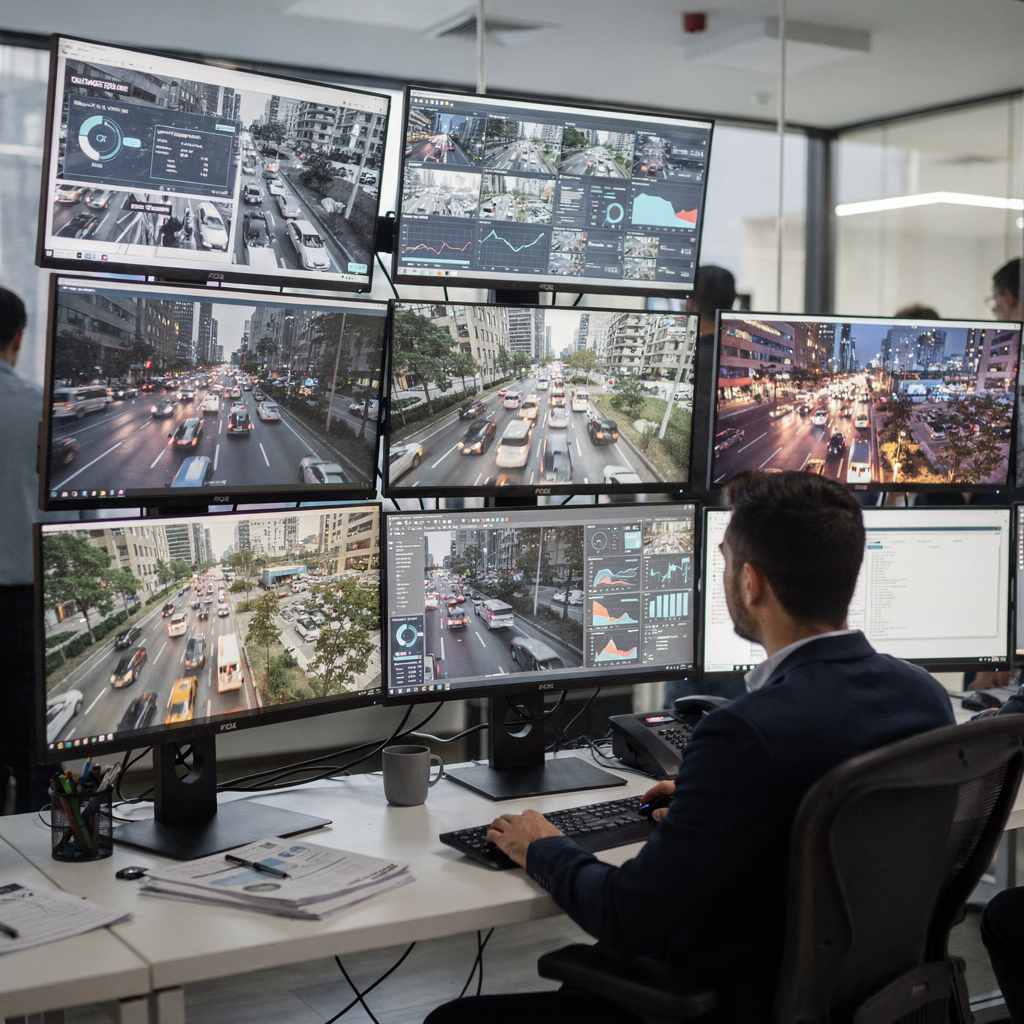
Operators benefit from searchable descriptions and from AI-driven recommendations that explain what was seen and why it matters. Visionplatform.ai connects VMS event feeds to an on-prem Vision Language Model so teams can query past events and verify incidents with context. This reduces time per incident and increases throughput. The system supports natural language queries and it helps operators find the right camera, clip, or evidence quickly. As a result, teams scale without growing headcount, and they gain proactive intelligence that prevents minor issues from escalating.
AI vision within minutes?
With our no-code platform you can just focus on your data, we’ll do the rest
Actionable Insights and ROI in AI-powered video Analytics
Actionable insights come from trends, patterns, and correlations. A video intelligence layer aggregates detections across time and turns them into operational recommendations. For instance, if several near-miss events occur at the same dock door, the system highlights the pattern and suggests process or staffing changes. Those recommendations drive measurable improvements. Companies that deploy these systems report faster investigations and lower incident rates. The market context supports investment: analysts forecast strong growth in the sector and widespread adoption among organizations that rely on surveillance and operations. The market is expected to grow at an annual rate exceeding 36% through 2030, which shows momentum for these technologies (WEKA report).
Quantifying benefits starts with reduced false alarms. By correlating multiple signals and by adding reasoning, the platform reduces false alarms and it improves response time. Decision support tools translate events into a recommended response so that operators act consistently. Those efficiencies lower operational costs and they accelerate return on investment. For example, forensic search workflows cut investigation time by enabling direct queries over recorded clips. Use cases range from perimeter breach detection to license plate recognition, and they all return measurable ROI when integrated with workflows and with incident reporting.
Case studies show impact. In one deployment, teams cut average time to verify an alarm by more than half after adding reasoning and search. In another example, an airport used people-counting and crowd detection to optimize staffing and to improve passenger flow. For more on forensic search and how this improves investigations see a practical guide on forensic search in airports forensic search. To learn about perimeter analytics used in transport hubs, read about perimeter breach detection perimeter breach detection. Those implementations highlight how better video monitoring increases safety and lowers operational costs while delivering clear ROI.
AI Video for Video Security, Security Solutions and Security and Surveillance
AI video reshapes security. Traditional CCTV streams provide raw footage, and operators must watch or scrub hours to find incidents. AI-driven video changes that model. It flags events, it summarizes incidents, and it gives security teams the context they need to act. The platform integrates with existing video management systems and surveillance systems to deliver automated threat recognition. Intelligent video can detect an intruder, verify a breach, and start an evidence workflow within seconds. These capabilities strengthen perimeter protection and access control across public and private sites.
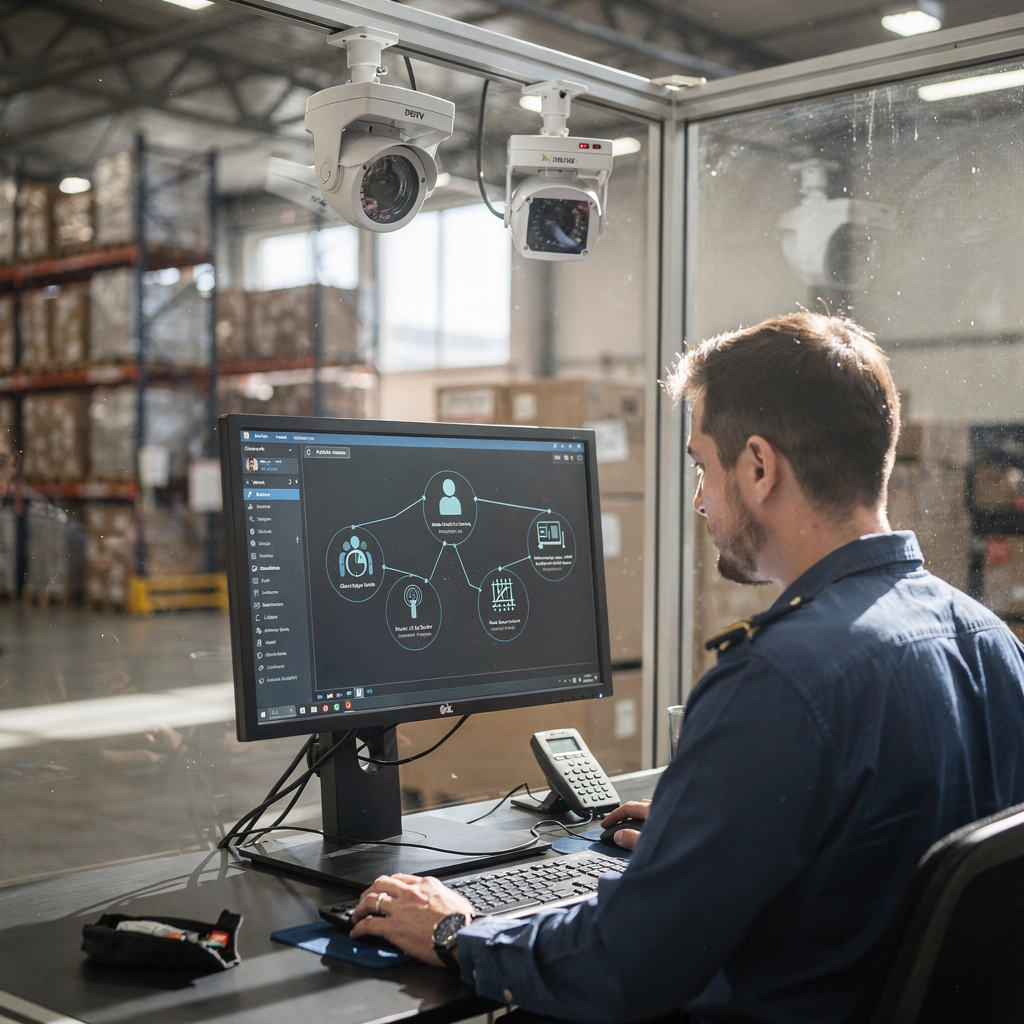
Compare the old and the new. Traditional surveillance produces many alerts without context. Intelligent systems reduce the number of meaningless alarms and supply the verification needed for action. An operator receives an alert that explains what was detected, where it happened, and what corroborating evidence exists. That explained alert often includes license plate recognition results and related access logs. For vehicle workflows, license plate recognition helps automate repeat offender lists and improves perimeter response.
Security solutions become more operational when they link detections to procedures. For example, when an unauthorized access event is detected the system can cross-check access control, it can fetch recent footage, and it can suggest a next step. This guided workflow reduces mistakes, and it improves safety compliance. Many deployments run on-prem to avoid cloud-based video risks and to ensure data remains auditable. The result is a practical blend of automation and human oversight that scales. To see how fall detection and safety features apply in sensitive sites, review fall detection resources fall detection.
AI vision within minutes?
With our no-code platform you can just focus on your data, we’ll do the rest
Intelligence System Beyond Security: AI-driven Applications Across Industries
AI systems extend far beyond security. Healthcare uses intelligent video to monitor patient movement and caregiver interactions, and researchers have shown that 3D video analysis gives unprecedented behavioral insight (caregiver study). In hospitals and care homes the intelligence system can detect falls, it can track hand hygiene adherence, and it can provide data for safety compliance. Those capabilities improve outcomes, and they give staff better situational awareness.
Retail applies video intelligence to shopper behavior, shelf compliance, and heatmaps that inform merchandising. Store teams use actionable insights to change layouts and staffing. Footfall analytics and people-counting inform promotions, and advanced AI can spot product placement issues before they affect sales. For urban planners, smart cities projects use video to optimize traffic, to reduce congestion, and to monitor waste collection routes. These efforts show how analytics can support civic operations and improve public services.
Operational teams in manufacturing and logistics use video analysis transforms processes by spotting workflow deviations and by correlating events with machine telemetry. Process anomaly detection highlights production slowdowns while reducing human error. In terminals and airports, vehicle detection and classification supports ground operations and it improves turnaround times. For more on crowd metrics and density models see crowd detection and density resources crowd detection. Across industries, the power of AI helps teams analyze video at scale and to turn visual data into actionable intelligence that supports decisions.
Ethics and Challenges of Video Security: Privacy, Bias and the Role of an AI Intelligence Layer
Ethics must guide every deployment. Video systems collect amounts of data that can include personal information. You must implement governance, logging, and consent processes. In the EU and UK regulatory frameworks require careful design choices, and on-prem solutions help meet those requirements. visionplatform.ai follows an architecture that keeps models and video local by default to limit exposure and to support auditability. That design aligns with EU AI Act principles for high-risk systems.
Algorithmic bias is another challenge. Models trained on skewed datasets may mislabel individuals or behaviors. You must evaluate models with diverse data and you must expose decision rationales so operators can verify outcomes. Explainable outputs reduce operator reliance on uncertain signals and they support accountability. Audits, continuous testing, and human-in-the-loop controls improve fairness and reduce the chance that bias will cause harm.
Finally, adopt best practices for governance. Define retention policies, document model lifecycle steps, and maintain an auditable log of alerts and actions. Train operators to interpret model outputs, and build escalation rules so the system can automate low-risk tasks while humans oversee high-risk cases. This mix of automation and oversight creates proactive intelligence and it ensures compliance. As AI is revolutionizing video and operations, teams must balance innovation with responsibility so that benefits are realized without compromising privacy or safety.
FAQ
What is an AI-powered video intelligence layer?
An AI-powered video intelligence layer is software that sits on top of raw video and extracts meaning from it. It combines computer vision, language models, and analytics to turn footage into searchable descriptions and verified alerts.
How does real-time analysis improve monitoring?
Real-time analysis processes video streams and generates immediate alerts and context. That capability accelerates response time, reduces manual review, and increases operational efficiency.
Can AI reduce false alarms?
Yes. By correlating multiple signals and by adding reasoning, systems reduce false alarms and provide verified, explained alerts. This reduces operator fatigue and improves response accuracy.
Is on-prem deployment important for compliance?
On-prem deployment keeps video and models inside an organization’s environment, which helps meet EU and UK regulatory requirements and reduces cloud-based privacy risk. It also supports auditability and local control over data.
How do AI agents assist control rooms?
AI agents turn detections into context, recommendations, and actions. They can search archives with natural language queries and they can pre-fill incident reports to accelerate workflows.
What industries benefit beyond security?
Healthcare, retail, logistics, and smart cities benefit from video-based analytics. For example, healthcare uses behavior analysis for safety, while retail uses heatmaps and shelf compliance to improve sales.
How does explainability help operators?
Explainability shows why an alert fired and what evidence supports it. That transparency helps operators trust the system, make faster decisions, and comply with audit requirements.
What role does machine learning play?
Machine learning provides the models that recognize objects, actions, and anomalies. Ongoing retraining with local data improves accuracy and reduces bias over time.
How can organizations measure ROI?
Measure ROI through reduced investigation time, fewer false positives, lower operational costs, and faster incident resolution. Many deployments report clear gains in efficiency and safety.
How do I find more practical resources?
Review vendor case studies and technical guides that match your industry. For example, explore forensic search tools forensic search, crowd density analytics crowd detection, and perimeter solutions perimeter breach detection to learn how implementations work in transport hubs and similar sites.