AI prioritization of alarms reduces false alarms
ai systems: reduce false alarms and false positives
Traditional alarm system deployments leave operators under pressure. Traditional security alarms often produce up to 90% false positives, creating a high volume of alerts that operators must evaluate. As a result, monitoring teams struggle to interpret events, and many of which are false. Fortunately, AI systems bring a more measured approach. AI inspects multiple signals and metadata. AI can analyze video, sensor feeds, and logs to cross-check whether an event truly needs escalation. In practice, applying AI at the edge and in control rooms can dramatically reduce noise and focus on what matters.
For example, one manufacturing site moved from roughly 200 false alerts per day to about 60 after an on-prem AI deployment. This case shows reduced false alarm counts and operators to focus on higher-value tasks. Research supports these gains: studies report that AI-driven monitoring can reduce false alarms by as much as 70% when models are trained on historical events and contextual inputs (Improve predictive maintenance through the application of artificial …). In addition, “By continuously learning from past data, AI-driven monitoring systems can adjust their sensitivity to ensure that only genuine threats are escalated, reducing noise and improving response times” (Why AI is Important in Monitoring | EasyVista).
Beyond simple detection, advanced AI ranks alerts by probability and expected impact. This priority scoring surfaces the top problems. A security team that adopts these methods often sees reduced false positives and faster handling of true incidents. However, implementing models requires governance. Protecting model weights and data ensures attackers cannot tamper with detection algorithms (Securing AI Model Weights: Preventing Theft and Misuse of Frontier …). For on-prem camera systems, visionplatform.ai integrates video analytics and a Vision Language Model so that detections become context-rich events. This reduces alarm fatigue and helps teams focus on alerts that truly matter while keeping data inside the site for compliance and security posture.
ai-driven workflow: triage and filter alert
An AI-driven workflow turns raw detections into a clear triage process. First, data intake collects video, sensor logs, and access-control feeds. Then, intelligent filter logic groups related alarms and assigns a priority score. This workflow helps monitoring teams by removing duplicates and grouping events that stem from a single cause. Next, triage highlights the top 5% most critical alerts for immediate action. In that way, operators see alerts that truly need intervention and low-threat alerts remain deprioritised.
Priority scoring uses ai algorithms that weigh source reliability, frequency, contextual rules, and potential impact. The system can flag an intrusion at a restricted gate as high priority and treat a harmless shadow as low priority. This reduces noise and focus, so responders can react faster. The VP Agent Reasoning approach at visionplatform.ai shows how AI can explain why an alert was valid and what related systems confirm it. That contextual verification allows operators to evaluate situations quickly and to act with confidence.
Using triage also helps with staffing. When a security team receives fewer bogus alerts, operators do not suffer from alarm fatigue and burnout. The flow scales: automated triage can handle thousands of incoming events while routing only the most urgent ones to humans. As teams implement this model, they report lower workload during spikes and more consistent follow-up on incidents. For readers who want to explore visual detection and forensic search, see how people detection and forensic search tie into triage in real deployments (people detection, forensic search).
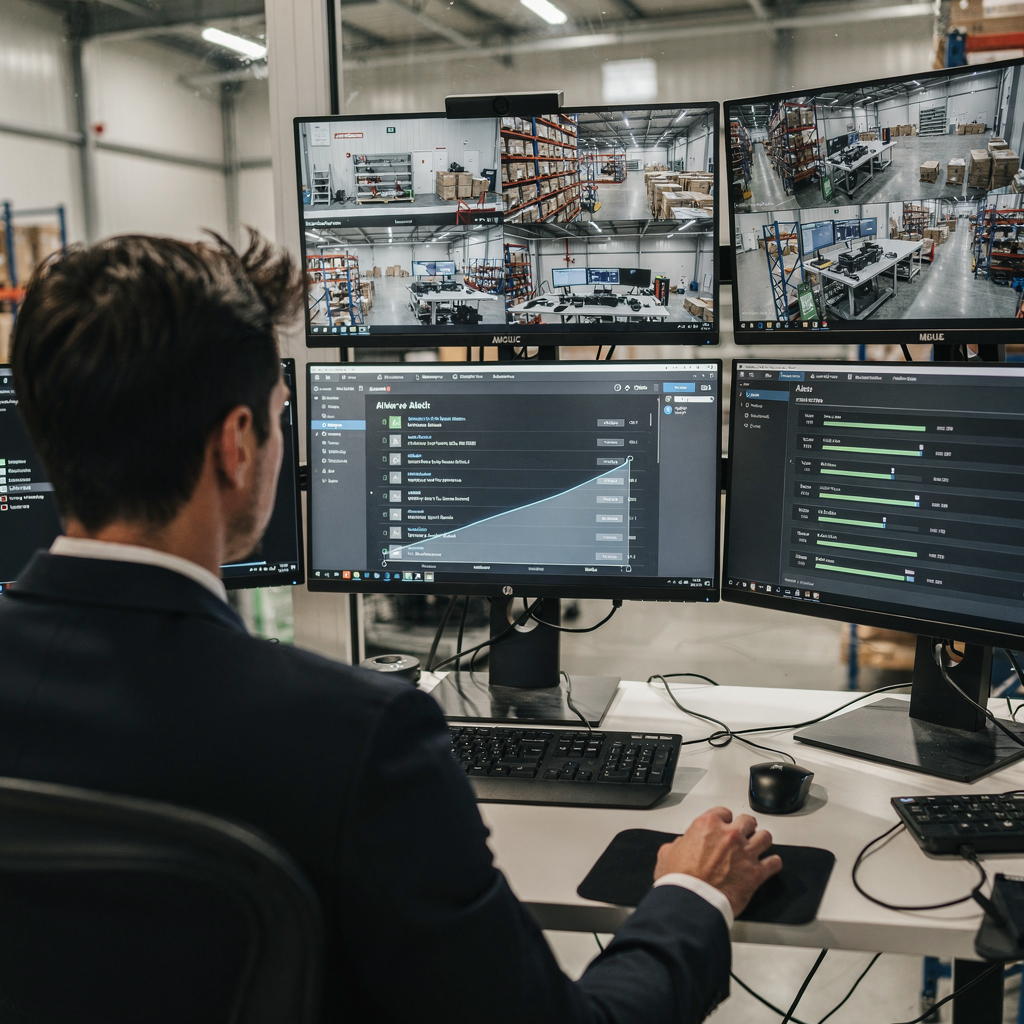
AI vision within minutes?
With our no-code platform you can just focus on your data, we’ll do the rest
artificial intelligence uses ai-powered real-time monitoring services to detect
Artificial intelligence now powers real-time monitoring services that run twenty-four hours a day. Sensors, logs and network feeds supply continuous input. AI-powered models correlate streams and spot anomalies long before a human could. For example, a security operations centre that layered AI-powered video analytics with network event feeds improved breach detection by about 30% when detection algorithms were tuned and combined with human review (Intelligent response: enhancing fire and emergency services).
These monitoring services include perimeter cameras, ANPR/LPR, access-control logs, and environmental sensors. An intrusion detection event that coincides with door-forced-open metadata and unusual network activity gets a higher score. Then the system will escalate that alert. By contrast, a benign delivery vehicle that triggers motion on a side camera will be filtered out if access records show a scheduled delivery. This layered approach reduces the number of false alerts and helps teams focus on genuine threats.
Real-time means the models operate with minimal latency. The platform processes events, reasons over them, and issues an automated alert or a recommended action. visionplatform.ai’s VP Agent Actions shows how automated alert creation, validation and escalation can be implemented while maintaining human oversight. Remote monitoring, when required, can receive only validated alerts so external providers do not drown in noise. Security teams gain clarity and can act more proactively. If you manage airport operations, integrating perimeter, loitering, and intrusion detection systems improves situational awareness; see the perimeter breach and loitering detection pages for context (perimeter breach detection, loitering detection).
machine learning integrate threshold and learn from past to enhance response time
Machine learning models do not rely on fixed thresholds alone. Instead, they integrate dynamic thresholds that adapt to changing conditions. A static limit triggers an alarm when a simple count exceeds a set level. By contrast, machine learning evaluates seasonality, shift patterns, and historical false alerts to set a smarter threshold. This learning and adapting reduces frequent false alarms and avoids thresholds that are too sensitive during normal activity.
Models are trained on labeled histories, including past false alerts and confirmed incidents based on historical evidence. They learn from past and then refine alert sensitivity. The result is a system that better differentiates a person climbing a fence from someone walking along a public path. As models refine, operators see fewer low-threat alerts and faster identification of real incidents. Reported outcomes include improved response time of roughly 30% in emergency scenarios when ML-informed thresholds and prioritization are in use (Intelligent response: enhancing fire and emergency services).
Machine learning models and detection algorithms must be validated continuously. Evaluation and feedback loops keep models from drifting. Human-in-the-loop processes provide labels that machine learning models use to refine future decisions. Implementing AI and periodic re-training also improve overall security posture. In environments like airports where object-left-behind detection and vehicle classification matter, dynamic thresholds make detection more robust and reduce alarm reduction fatigue. This approach is scalable and supports teams as they integrate new sensors and update rules without disrupting operations (Why AI is Important in Monitoring | EasyVista).
AI vision within minutes?
With our no-code platform you can just focus on your data, we’ll do the rest
ai helps reduce overload and reduce alert fatigue in security alarms
Alert fatigue can cause staff to miss important cues. When operators receive too many low-value notifications, they might start ignoring alerts. AI helps reduce that risk by grouping related alarms and ranking them. By clustering events from multiple cameras and logs, the system shows consolidated incidents and eliminates duplicate noise. The result is a lower cognitive load and fewer moments of hesitation.
Many monitoring teams report lower workload and better focus after adopting AI. In one security operations environment, operator workload dropped by about 50% during peak hours because the system only surfaced validated incidents. This reduced overload and made teams more proactive. AI empowers operators to handle more streams without additional staff. At the same time, a measured automation strategy—where automated alert actions are applied to low-risk events—keeps human judgment where it matters most.
Alarm fatigue also affects clinical workflows and patient monitoring where frequent false signals can harm care. In such settings, smarter detection and careful validation can improve patient outcomes while reducing frequent false alarms. For industrial and airport contexts, integrating AI with procedural context ensures that alerts are not only detected but explained. The VP Agent Reasoning feature at visionplatform.ai shows how reasoning over video, access logs, and procedures can reduce bogus alerts and help teams focus on alerts that truly matter. When operators no longer struggle to interpret raw detections, they regain time to investigate potential security breach scenarios and to maintain service levels.
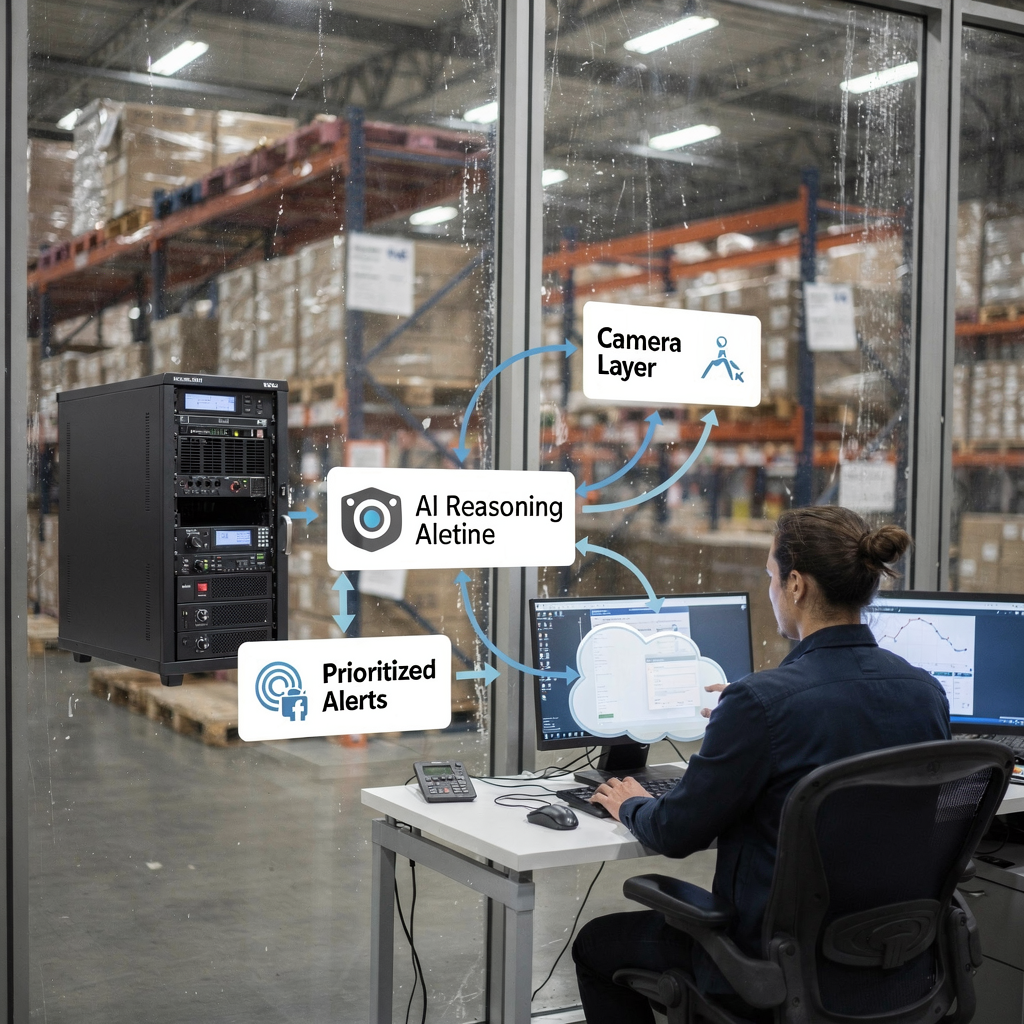
automated alert automation and smarter ai is revolutionising workload
Automation combined with smarter AI is changing how teams handle alarm volumes. End-to-end automation can create an automated alert, validate it against context, and escalate or close it with justification. This process reduces manual steps and allows a security team to scale without linear increases in headcount. Smarter systems also maintain audit trails so actions remain auditable and compliant.
Future systems will extend human-in-the-loop feedback to autonomous operation for low-risk scenarios. visionplatform.ai plans controlled autonomy with VP Agent Auto so routine incidents get handled consistently and with configurable oversight. This supports scalable operations and consistent incident handling. Teams can focus on investigations that require human reasoning while AI manages repetitive tasks.
There are risks too. AI isn’t perfect and must be defended against manipulation; attackers may try to evade or pollute models. Therefore, secure model management and monitoring of model performance are essential. Regularly evaluate model outputs and integrate security practices that protect weights and training data. Combining proactive analytics with secure deployment ensures the automation benefits persist. In the end, applying AI is not about removing humans. Instead, it is about shifting effort toward decisions that truly need judgment while the system handles the rest.
FAQ
How much can AI reduce false alarm rates?
Research and case studies show significant reductions. For example, AI deployments have cut false alarms by up to 70% in some monitoring contexts (Improve predictive maintenance through the application of artificial …), which helps teams focus on the alerts that truly matter.
What is an AI-driven workflow for alerts?
An AI-driven workflow ingests data, filters and triages events, then scores and escalates the most critical alerts. It groups related events, reduces duplicates, and surfaces the top incidents so operators can act quickly.
Can AI detect intrusions in real time?
Yes. Real-time AI-powered monitoring correlates camera feeds, logs, and sensors to detect intrusions and anomalies. A combined approach improves breach detection and reduces time to respond (Intelligent response).
How do machine learning thresholds differ from fixed limits?
Machine learning integrates dynamic thresholding that adapts to patterns and seasons. Models learn from past incidents and refine alert sensitivity so thresholds avoid triggering on normal variations.
Will automation remove human operators?
No. Automation streamlines repetitive tasks and validates low-risk cases. Humans remain essential for complex incidents and final decisions, especially in emergency scenarios.
Is on-prem AI better for security?
On-prem AI reduces data exposure and supports compliance. visionplatform.ai offers an on-prem Vision Language Model so video and models remain inside the environment for better security posture.
How does AI reduce operator workload?
By filtering out bogus alerts, grouping related alarms, and prioritising urgent events, AI lowers the number of items operators must review. This reduces overload and alarm fatigue while improving focus.
Are there risks in deploying AI for alarms?
Yes. Models need protection from tampering and must be monitored for drift. Best practices include secure model management and continuous evaluation to avoid misprioritisation (Securing AI Model Weights).
Can AI help in specialized environments like airports?
Absolutely. AI supports people detection, ANPR/LPR, and forensic search to reduce false alerts and speed investigations. For airport examples, see people detection and ANPR pages (people detection, ANPR/LPR).
What is the next step for organisations considering AI?
Start by evaluating current alarm volumes and false alert drivers. Then implement pilot projects with clear metrics. Use on-prem, auditable solutions and human-in-the-loop feedback to ensure the system learns and improves over time.