AI and bottleneck detection in meat plants
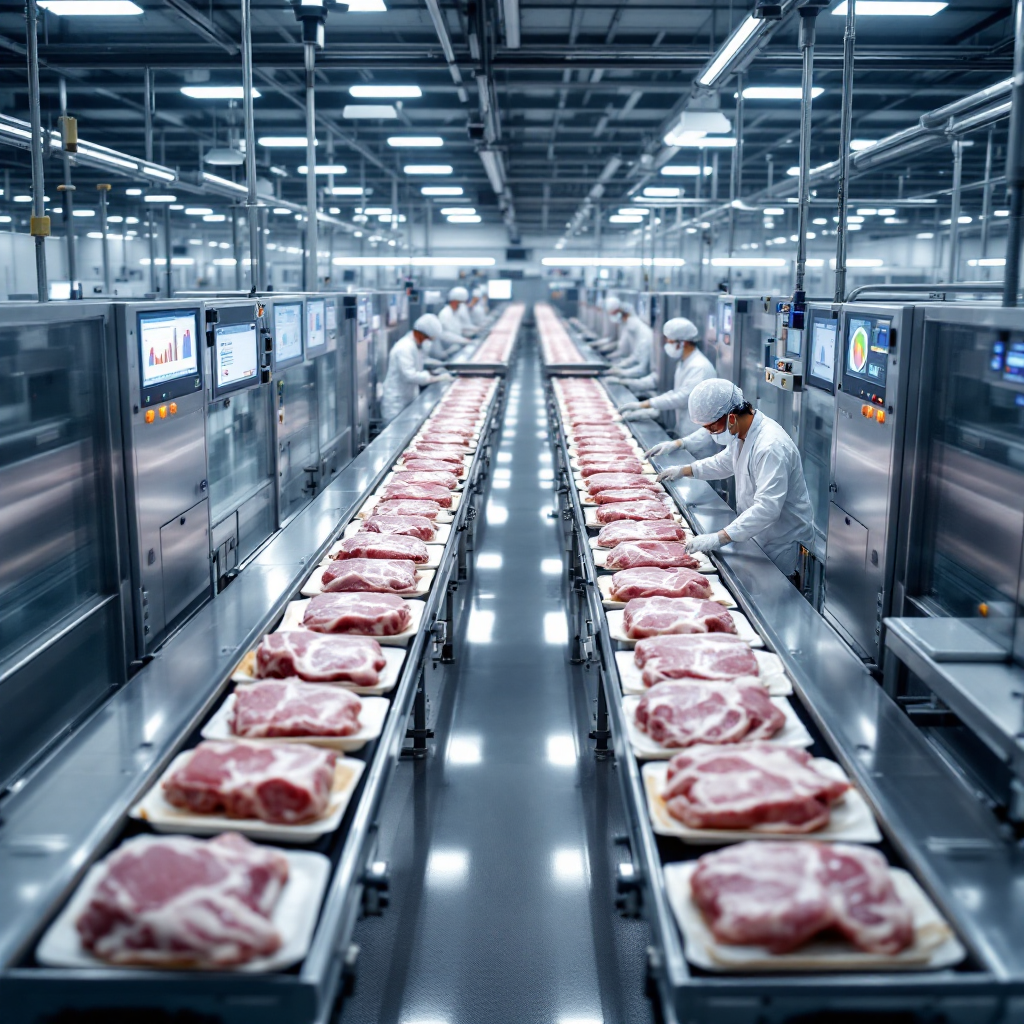
AI has changed how meat plants find and resolve production choke points. Machine learning and process mining form the core of many modern approaches. Machine learning models learn from production data. Process mining reconstructs workflows from event logs. Together these methods spot where flow slows and why. AI systems analyze streams from sensors, cameras and SCADA logs to reveal patterns that humans miss. For example, computer vision can track carcass flow and worker motion while analytics correlate those observations with throughput numbers.
Data sources matter. Vision sensors and conveyor encoders give position and speed. Temperature and weight sensors report product-specific attributes. Operational logs record line starts, stops and operator changes. When combined, they create a rich dataset for ai models and predictive maintenance. This data-driven view helps meat processors reduce unplanned downtime. In one documented case study, AI-driven detection cut downtime by about 30% by predicting slowdowns and triggering task reallocation exactly as demonstrated in SME research. That result came from matching sensor feeds with production schedules and then automating response rules.
Visionplatform.ai uses existing CCTV as a dense sensor layer. That approach lowers hardware costs and speeds deployment. It also keeps video and labels on-premise to support EU AI Act compliance and GDPR. Our platform turns camera feeds into events that feed process mining and control logic. As a result, teams can trace a specific carcass through the abattoir, spot slow segments, and test corrective steps in production systems.
AI and related ai technology help teams spot idle machines, congestion at manual stations, and inconsistent pace between serial operations. Advanced ai models like convolutional neural networks and deep learning variants improve defect detection and carcass and primal assessments. These models flag differences in fat coverage and size, which often cause unequal cycle times and reduce overall production efficiency. When operators act on those insights, they optimize throughput and protect product quality.
AI-powered analytics for operational efficiency in meat processing
AI-powered analytics uncover hidden delays and idle machines by correlating many signals in real time. Sensors may show a conveyor at target speed. Yet at the same time, a downstream station may stall because of manual trimming. Analytics link these facts and identify the true root cause. That visibility lets managers prioritize fixes that drive the biggest gains. Key metrics include throughput rate, cycle time and utilisation. Tracking these continuously gives clear, measurable KPIs for every line.
Case studies show that process mining and analytics find constraints with high accuracy. In trials, process bottleneck identification reached up to 90% precision when compared with manual audits according to process bottleneck research. That precision reduces time spent on fruitless adjustments. It also supports targeted training for teams at stations that consistently slow flow. For meat quality and consistent output, this matters. When analytics spot a pattern, managers can run controlled experiments and measure impact using production data.
Vision systems and visionplatform.ai-style integrations let teams reuse VMS video as operational data. This approach avoids vendor lock-in and keeps models tuned to site-specific objects and PPE. By publishing structured events to MQTT, cameras turn into sensors that populate dashboards and feed SCADA. That integration supports both security and operations. It helps meat processors get faster answers about where to deploy staff, when to schedule maintenance, and how to balance loads across parallel lines.
Also, ai systems can analyze large time-series datasets to detect subtle drift in performance. For example, weight variance across carcass batches can increase cycle time at deboning or precise cutting stations. Early detection lets teams adjust upstream trimming or portioning rules. These adjustments preserve throughput and maintain product quality. Finally, analytics deliver actionable recommendations that are both measurable and linked to profitability.
AI vision within minutes?
With our no-code platform you can just focus on your data, we’ll do the rest
Real-time AI automation to optimise meat production and meat operations
Real-time monitoring helps predict slow-downs before they happen. AI models ingest live camera feeds, weight sensors and PLC signals to forecast imminent stalls. When the system detects a risky pattern, it can alert supervisors or trigger automated responses. For instance, a control loop might adjust conveyor speed or reroute carcass flow to balance load across parallel stations. This form of ai automation keeps lines moving and reduces manual firefighting.
Automated control loops combine AI predictions with actuators and human oversight. Sensors flag a rising queue ahead of a manual trim station. The control logic then marginally increases upstream pace, changes task allocation, or signals an extra operator to assist. These feedback loops use predictive maintenance signals too. If a deboning station shows vibration growth, AI can schedule maintenance during a planned lull. That reduces unplanned stops and preserves throughput.
In practice, plants that adopt real-time solutions see meaningful gains. Some report a 15–20% boost in overall operational efficiency after connecting live analytics to control actions and workforce scheduling industry summaries. The gains come from smoother handoffs, fewer jams, and better alignment between machine pace and human tasks. Additionally, advanced ai models help in defect detection where cameras flag foreign material or irregular carcass shapes, allowing immediate removal and preventing costly recalls.
Deployment matters. On-prem or edge processing keeps latency low and data within company control. Visionplatform.ai supports edge deployment and streams events to enterprise systems without sending raw video off-site. That makes it easier to integrate with existing PLCs, MES and meat processing software. It also supports auditability and reduces compliance risk. Finally, using AI in real time helps address labor shortages by making each operator more effective and by automating repetitive checks while preserving meat quality parameters.
AI solutions for supply chain optimisation in slaughterhouse operations
AI solutions that link plant operations with logistics unlock higher flow across the meat supply chain. When slaughterhouse data integrates with transport, cold storage and retail forecasts, the whole value chain benefits. For example, matching slaughter schedules to downstream capacity in chilling and deboning reduces bottlenecks at handoffs and lowers lead times. Integrating upstream and downstream data cuts waste by aligning batches to current demand.
Cognitive digital twins simulate process changes before teams modify the floor. These twins model slaughterhouse workflows from lairage through primal cut to packaging. By testing scenarios virtually, teams can predict the effect of staffing shifts or equipment changes. Recent research highlights cognitive digital twin approaches for process chain anomaly detection and dynamic simulation that work across complex chains. Using a twin helps reduce risk and avoid costly downtime during deployment.
Supply chain gains include lower inventory holding and better meat traceability. AI helps link batch identifiers from the abattoir to packed portions so that traceability is end-to-end. That visibility helps with recalls and supports retailer audits. Also, analytics improve scheduling of trucks and cold rooms to ensure fresh raw material moves smoothly to secondary processors. These improvements reduce waste and improve customer service metrics across food supply chains.
Bringing these pieces together is a deployment challenge. Data quality and integration effort matter more than model choice. Practical ai integration includes clean event logs, synchronized clocks and robust APIs. Visionplatform.ai can publish structured camera events into those API streams so that vision becomes a first-class input to scheduling and inventory management. The result is a more resilient meat supply chain and clear, measurable improvements in lead times and reduce waste.

AI vision within minutes?
With our no-code platform you can just focus on your data, we’ll do the rest
Quality control and food safety audit for meat processors in the food industry
Automated inspection of carcass characteristics improves both quality control and audit readiness. Computer vision inspects fat coverage, weight and surface defects at scale. These automated checks are faster and more consistent than manual visual inspection. When combined with metadata such as animal origin and slaughter time, the data creates a robust audit trail. That traceability supports regulatory compliance and retailer requirements.
Real-time alerts flag potential contamination and non-conformities so teams can isolate affected batches immediately. AI helps detect foreign material on conveyors and in packaged goods, reducing recall risk. A review of AI applications in meat processing outlines practical uses for imaging and automated QC that help food safety programs in the sector. These systems also feed audit logs that simplify inspections and strengthen supplier relationships.
Traceability ties into meat traceability initiatives. By linking each carcass, primal cut and portion to batch identifiers, processors maintain a clear path from abattoir to retailer. That record supports corrective actions and consumer confidence. It also helps prove compliance during audits and reduces the time auditors need on site. Moreover, audit logs that include video-derived events provide high-fidelity evidence during dispute resolution.
To scale, plants pair vision checks with meat processing software and lab tests. AI helps prioritize lab sampling based on observed variance, which saves resources. Predictive maintenance and ai-driven quality rules also reduce false positives and keep line speed consistent. As a result, meat processors gain high accuracy in defect detection, measurable reductions in contamination risk, and stronger food safety posture.
Traceability, inventory management and customer satisfaction: measurable benefits
Linking batch data to finished products creates full traceability across the value chain. When each carcass is tracked from lairage through primal cut and packing, recall windows shrink. Traceability systems that use camera events and RFID help teams find affected items in minutes. This capability protects brands and improves customer satisfaction by ensuring consistent meat quality.
AI-driven inventory management matches supply with demand more precisely. Forecasts fed by point-of-sale and historical data let planners adjust slaughter and processing rates to reduce excess stock. The result is lower waste and improved profitability. In fact, integrating demand signals with plant schedules often raises production efficiency and cuts holding costs. This alignment helps retailers get faster delivery times and more consistent product quality, which raises customer satisfaction.
Operational efficiency improves when vision events feed inventory systems. Visionplatform.ai streams structured events that can update WIP counts, track pallets and inform dispatch schedules. These updates keep inventory levels accurate in real time and reduce manual counting. For meat quality parameters, consistent monitoring ensures that chilled product stays within tolerance during storage and transit.
Finally, measurable benefits show up in KPIs: improved throughput, lower scrap, and better on-time delivery. AI reduces manual guesswork and helps teams prioritize interventions that move the needle. When processors use ai models and automated controls, they transform production systems into responsive, data-driven operations that support modern meat standards and customer expectations.
FAQ
How does AI detect production slow points in meat processing?
AI analyzes data from cameras, sensors and operational logs to spot patterns that indicate slow points. It correlates events and recommends actions such as task reallocation or conveyor adjustments.
Can existing CCTV be used for operational analytics?
Yes. Modern platforms convert VMS streams into structured events for analytics and dashboards. Visionplatform.ai shows how camera feeds can become operational sensors that feed OEE and SCADA systems.
What accuracy can I expect from AI in identifying process issues?
Accuracy varies by deployment, but studies report up to 90% precision for bottleneck identification compared with manual methods in research. Good data and site-specific models improve that rate.
How does real-time AI help with food safety?
Real-time AI flags contamination or foreign material as it appears, enabling immediate removal and isolation of affected batches. It also creates audit logs that simplify inspections and prove compliance.
What is a cognitive digital twin and why does it matter?
A cognitive digital twin is a virtual replica of the process chain that simulates changes and detects anomalies. It lets teams test adjustments virtually before risking live production, which reduces downtime and improves planning as described in recent work.
Will AI reduce the need for manual inspectors?
AI automates routine checks and frees inspectors to focus on complex decisions. It helps address labor shortages by making each operator more effective while preserving meat quality standards.
How does traceability improve customer satisfaction?
Traceability shortens recall times and ensures consistent product quality, which boosts retailer trust and end-customer confidence. Clear batch tracking also speeds issue resolution when problems arise.
What role do vision systems play in meat quality control?
Vision systems assess carcass size, fat coverage and surface defects. They provide fast, repeatable checks that feed quality control metrics and guide downstream processing decisions.
How hard is it to deploy AI in a small plant?
Deployment requires good data and integration with existing PLC and MES systems, but on-prem edge solutions reduce cloud dependency. Research on SME manufacturing shows tailored AI-driven frameworks can be very effective in practice.
How can I keep video and data secure during AI use?
Use on-prem or edge processing so raw video never leaves your environment, and maintain auditable logs of model changes and events. That approach supports GDPR and EU AI Act readiness while keeping data under your control.