Integration of AI with Surveillance Systems to Detect Threats and Manage Access Control
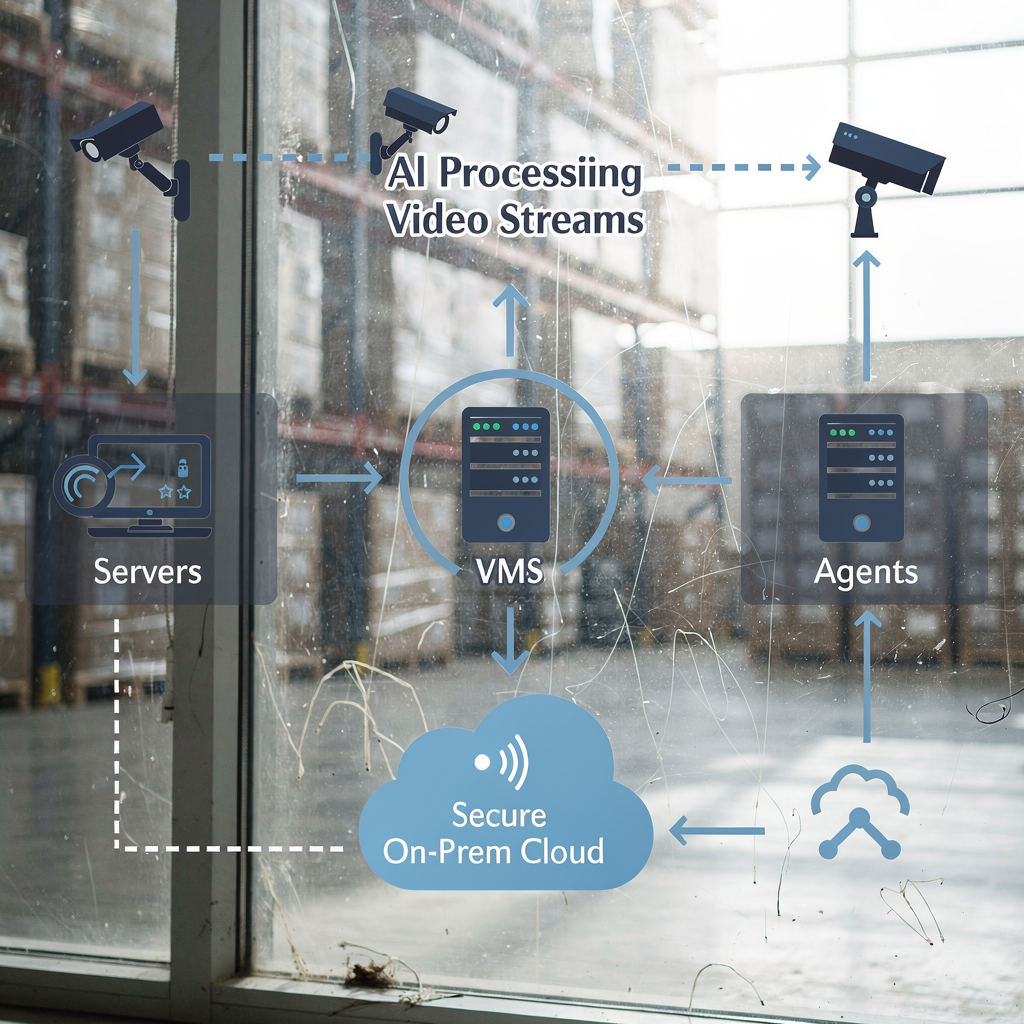
First, integration must be clear and practical. AI inspects camera feeds and sensor streams to detect anomalies and support operators. Next, the software works with existing VMS and converts routine detections into explained events. For example, visionplatform.ai turns existing cameras and video management systems into a reasoning layer so operators can transform your video into searchable knowledge. This design the system approach lets teams deploy AI without costly rip-and-replace projects, and it often requires no additional hardware.
Then, the platform will integrate with CCTV and access control hardware. It can inspect cctv cameras, door readers and biometric scanners to spot attempts to detect unauthorized access. Additionally, the system connects to access control systems and the VMS via API so events flow into the same timeline. This reduces the friction of adding new tools to operational systems. As a result, cameras become more than sensors. They become sources of relevant information for incident teams.
For sites with a large number of cameras, scalability matters. The solution must scale from a handful of streams to thousands of video streams, while keeping latency low. It must also work with existing security cameras to automatically tag people, vehicles and behaviours. In airports, for example, operators use forensic tools to search loiter patterns or abandoned objects quickly. See a practical example of loiter detection for context at visionplatform.ai/loitering-detection-in-airports/.
Finally, the market context supports adoption. The global market for AI in physical security systems is set to grow to US$20 billion by 2030 at about a 20% CAGR, which explains why vendors and integrators focus on standards and VMS integration How AI is Revolutionizing the Physical Security Industry – Nasdaq. Therefore, organisations planning upgrades should choose solutions that support CCTV, video management systems and access control in one coherent workflow.
AI Agents in the Control Room for Real-time Security Operations
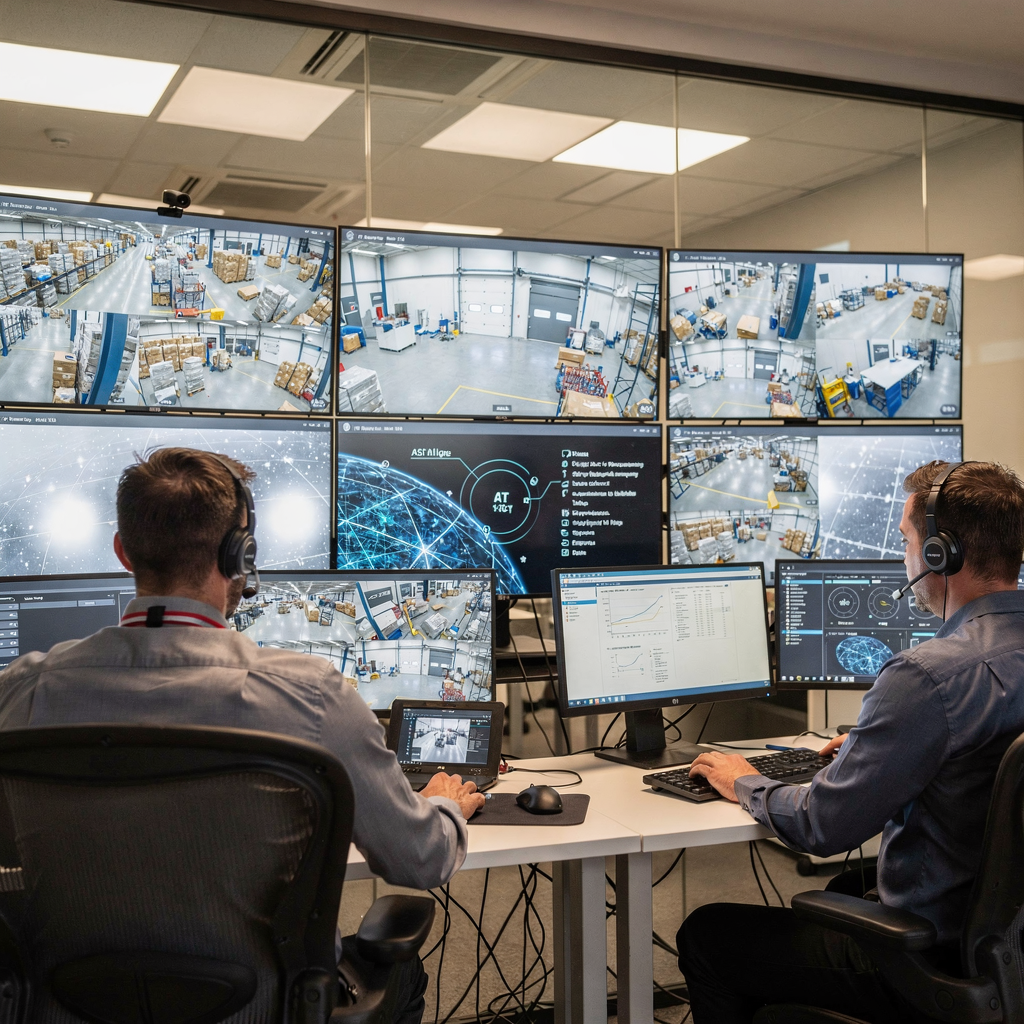
First, Alice AI agents act as on-site assistants for control room operators. They read camera feeds, correlate logs, and summarise incidents. The VP Agent Suite from visionplatform.ai shows how ai agents can search video history in natural language and suggest actions. The agent reduces time per alarm by explaining what the video shows and why it matters. This gives security personnel clear next steps during pressure.
Next, the agent filters routine noise. It flags only verified incidents so security teams focus on critical work. The agent reasons across video data, VMS events and access logs to verify alarms. In practice, the agent verifies whether an event is a true intrusion or a harmless activity. When needed, it can prepare an incident report and begin dispatching response team procedures.
Then, response times improve. Real-time operations benefit because the agent highlights the most urgent feeds. The control room gains situational awareness quickly. Operators see an explained incident, not just an alarm buzz. This boosts safety and security because operators make faster, better decisions. For training and audit, the agent logs reasoning steps and actions. That supports compliance and helps teams learn.
AI vision within minutes?
With our no-code platform you can just focus on your data, we’ll do the rest
Video Analytics, AI Video and Big Data Analytics for Threat Detection
First, video analytics and AI video processes extract meaning from raw footage. They identify behaviours such as someone who will loiter near a restricted gate and can spot abandoned items. For airports and large sites, video analytics forms the backbone of automated monitoring. It also supports object detection and licence recognition like license plate numbers for perimeter events.
Next, combined big data analytics across cameras, sensors and logs increases accuracy. AI correlates data from video streams, access logs and environmental sensors. The approach reduces false positives and helps verify whether an anomaly is real. For example, when a security camera sees a person near a dock, the system checks access logs and turnstile data before it raises an alarm. This correlation makes threats easier to prioritise.
Then, the platform connects to operational systems and VMS so events feed into workflows. The VP Agent exposes Milestone XProtect data as a real-time datasource for automated event handling. It can also send events to dashboards and OT systems via MQTT and webhooks. This level of integration helps teams search video footage and build incident timelines. For fast forensic work, see how forensic search supports investigations at visionplatform.ai/forensic-search-in-airports/.
Finally, AI analytics and rule-based systems complement each other. Machine learning catches subtle patterns while deterministic rules enforce policies. Together, they improve threat detection and reduce noise for security personnel. The combined stack lets organisations transform surveillance footage into operational intelligence and measurable outcomes.
How AI Gets Actionable Insights from Events of Interest
First, define events of interest clearly. An event might be an unauthorised access attempt, a perimeter intrusion, or equipment left unattended. AI gets training examples of these events and learns to recognise patterns. Then, when an event occurs, the system analyses the video data and metadata to create a concise description. This is where the Vision Language Model turns pixels into text that operators can search.
Next, machine learning models turn observations into actionable alerts. The model classifies what occurred, assigns confidence, and lists supporting evidence. For a suspected intrusion, the system might include nearby camera feeds, license plate numbers, and last known access badge reads. That helps a human judge the severity and choose a response. The agent can recommend a scripted action or open a checklist for human review.
Then, actionable insight drives workflows. The platform can automate steps such as notifying teams, creating incident records, or triggering locks. The VP Agent Actions feature supports human-in-the-loop choices and controlled automation. It can also transform video into searchable text so investigators can find similar incidents quickly. If you want to explore unauthorised access use cases, see visionplatform.ai/unauthorized-access-detection-in-airports/.
Finally, this model reduces cognitive load and speeds decisions. AI gets to the point by explaining findings and citing evidence. As a result, security teams know what happened, why it matters, and how to act. That leads to faster containment and fewer escalations.
AI vision within minutes?
With our no-code platform you can just focus on your data, we’ll do the rest
Automate Alarm and Alert Systems to Reduce False Alarms On-site
First, studies show AI reduces false alarms by up to 90% in operational deployments How AI is Revolutionizing the Physical Security Industry – Nasdaq. Therefore, automation must focus on verification before escalation. An automated verification step checks multiple sources. It looks at video footage, access records and sensor values to confirm an incident.
Next, automated alert workflows can notify the right people via SMS, email or push notifications. The system supports custom escalation rules so the correct response teams receive the notice. It can also pre-fill incident reports and include relevant camera clips for quick review. That reduces the time an operator spends compiling evidence and increases the time they spend on decision-making.
Then, fewer manual interventions mean lower operational cost. On-site guards and control room staff receive fewer nuisance alarms and can focus on true incidents. The platform can also close false alarms automatically, with justification, to reduce log clutter. This leads to fewer false alarms and clearer situational awareness.
Finally, organisations must balance automation with governance. Policies should specify when the system can act autonomously. Visionplatform.ai supports configurable human-in-the-loop thresholds and audit trails. The result is a safer control room and improved compliance. For perimeter and intrusion examples, see visionplatform.ai/perimeter-breach-detection-in-airports/ and visionplatform.ai/intrusion-detection-in-airports/.
Future of AI Software Works for Proactive Security
First, the future of AI will push towards proactive security. Predictive analytics and pattern forecasting will aim to identify security breaches before they occur. For example, behavioural baselines may reveal activities that precede incidents. Then, autonomous systems such as drones or robots may patrol and provide extra eyes where needed.
Next, AI security must be robust against adversarial attacks and manipulation. Research warns about vulnerabilities in model inputs that let attackers evade detection Attacking Artificial Intelligence: AI’s Security Vulnerability and What …. Therefore, hardening techniques and secure architectures are essential. Recent guidance highlights the need to “turn AI into something we can trust” Turning AI into something we can trust | ORNL. That means on-prem processing, transparent logs and strict access controls.
Then, privacy and compliance remain central. Large-scale video analytics requires clear privacy policy statements and careful data governance ARTIFICIAL INTELLIGENCE AND PRIVACY Daniel J. Solove …. For deployments in the EU or regulated industries, keeping video and models on-premise simplifies compliance. That model aligns with visionplatform.ai’s approach of fully on-prem processing to meet the EU AI Act requirements.
Finally, generative AI will support richer reasoning and automated reporting. Paired with strong ai analytics and automation, control rooms will shift from reactive monitoring to preventive operations. As systems become more capable, organisations can design workflows that dispatching response team assets sooner, reduce manual checks, and improve security infrastructure across the estate. The future promises proactive security built on trustworthy, auditable AI.
FAQ
What is an Alice AI agent and how does it help in a control room?
Alice AI is an example of an on-site AI assistant that reads video streams and VMS data, then summarises incidents for operators. It helps by filtering noise, verifying alarms, and recommending actions so control room staff can respond faster and with better context.
Can AI reduce the number of false alarms?
Yes. Studies report that AI can reduce false alarms significantly, in some cases up to 90% How AI is Revolutionizing the Physical Security Industry – Nasdaq. This is achieved by correlating video footage with sensors and access logs to verify events before escalation.
Does the system work with existing video management systems?
Yes. Modern platforms integrate with leading VMS and expose events for reasoning and event handling. Visionplatform.ai, for example, connects with Milestone XProtect to make video searchable and actionable without replacing your VMS.
How does AI handle privacy concerns with video monitoring?
Deployments must follow a clear privacy policy, use on-prem processing when required, and limit access to data. Organisations should document retention rules and access controls so footage and derived data remain protected and auditable.
What types of threats can AI detect in real-time?
AI detects behaviours such as loiter, intrusion, object left behind, and license plate anomalies. It also flags abnormal movement patterns and can detect unauthorized access events by correlating VMS events with access control systems.
Will AI replace security personnel?
No. AI augments people by automating routine checks, reducing cognitive load, and providing actionable summaries. Human operators still handle strategic decisions, complex incidents, and oversight of autonomous actions.
How do I integrate AI with my access control and cameras?
Integration typically uses APIs, MQTT, webhooks and VMS connectors to stream events and video data. A reputable vendor will support ONVIF cameras and common VMS platforms so you can deploy without major hardware changes.
Can AI help with forensic search after an incident?
Yes. Vision language approaches and searchable video metadata let teams find relevant footage with natural language queries. Forensic search speeds investigations by locating events and camera feeds across timelines.
Are there risks from adversarial attacks on AI?
There are risks. Research highlights attacks that can fool models if inputs are manipulated Attacking Artificial Intelligence: AI’s Security Vulnerability and What …. Robust design, testing, and on-prem controls help mitigate these risks.
How can I start deploying AI in my control room?
Start by auditing your security infrastructure and defining priority use cases like intrusion detection or forensic search. Then pilot an on-prem AI solution that works with existing cameras and VMS, and expand as you validate performance and compliance. For practical examples, review perimeter and intrusion detection capabilities at visionplatform.ai/perimeter-breach-detection-in-airports/ and visionplatform.ai/intrusion-detection-in-airports/.