license plate recognition in retail
License plate recognition sits at the intersection of security, operations, and customer service in retail. First, it describes systems that read vehicle license plates automatically. Next, it links visual data to store workflows. Also, it captures plate numbers at entry points. Retailers are increasingly focused on practical deployments that save time and cut costs. For example, a store can match a car to a loyalty record as it pulls into a booth. Therefore, teams can offer welcome discounts or reserved parking in seconds.
To be clear, license plate recognition and automatic number plate recognition both refer to similar technology. However, some vendors prefer the term ANPR. Others call the same tools LPR. Either way, the goal remains to convert images into searchable text. Using optical character recognition alongside detection models lets systems convert numbers and letters with accuracy. In practice, cameras are often located at gates, garages, and customer-entry lanes. Visionplatform.ai helps retailers turn those cameras into sensors that publish structured events for operations and security. For more on related deployments in controlled environments see our ANPR page for airports anpr and lpr in airports.
Retail teams want fewer steps at parking facilities. They want a faster parking experience for shoppers. To achieve that, license plate recognition systems pair plate capture with access control and payment. This allows ticketless entry and exit. It can also identify unauthorized vehicles and notify staff with an alert. Retail loss often falls when suspicious cars are cross-referenced with incident logs. For a high-level survey of how cities use plate tech, read a systems review on smart city integration here. Finally, the section below will explain how real-time plate reading actually works.
anpr: principles and workflow
The ANPR process uses a sequence of clear steps. First, a camera captures a still or video frame. Then, software finds the license plates within that image. Next, detection feeds a recognition stage that reads numbers and letters. Finally, systems cross-reference the plate against a database. This pipeline supports tasks from access control to loss prevention. Also, it produces immediate data for analytics and operational dashboards.
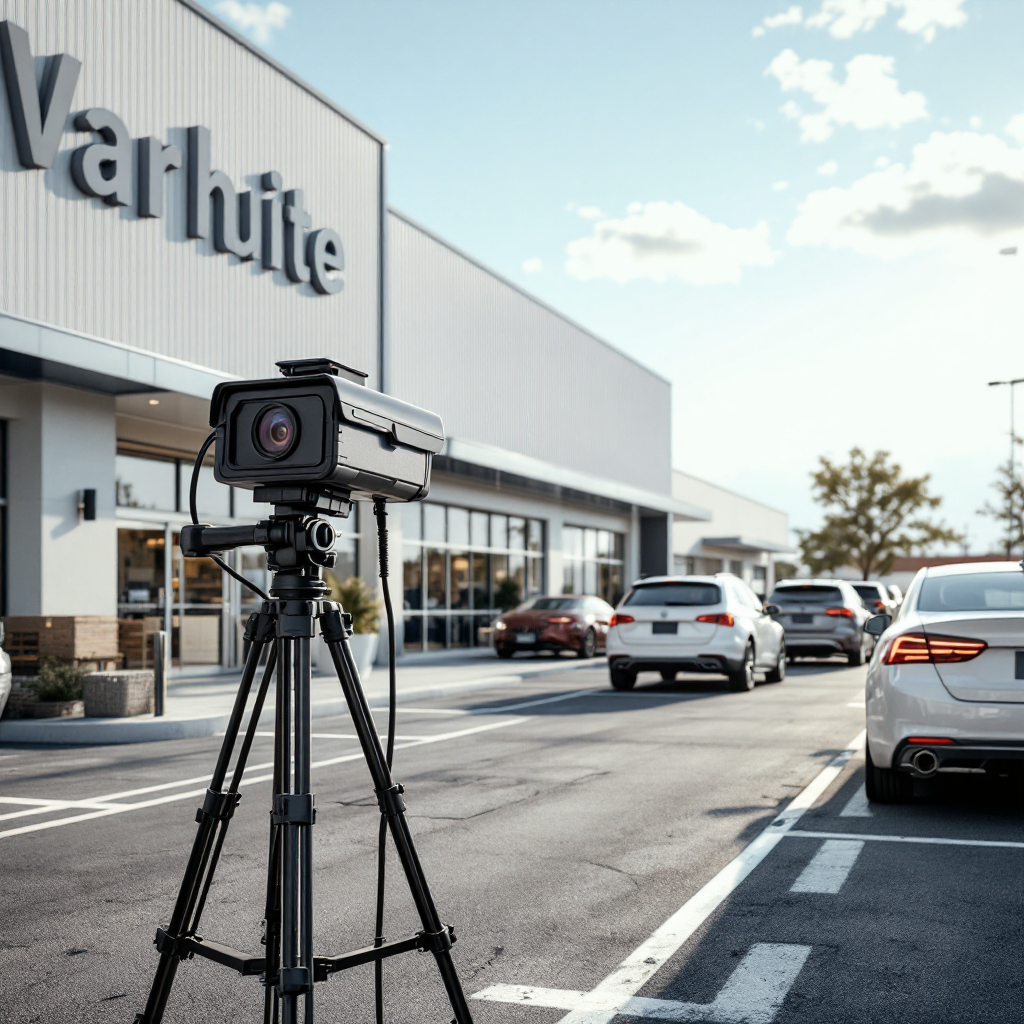
The main stages are image acquisition, plate localisation, and character decoding. Image acquisition requires proper framing and cameras that capture clear license plates in varied lighting. Then plate localisation uses a detection model to isolate the plate area. Popular detection choices include YOLO-based networks. After localisation, optical character recognition converts the plate region into text. Many implementations use Tesseract or commercial OCR engines for this stage. Using anpr increases the speed of processing. As evidence, a market analysis shows rapid growth in adoption of ANPR across sectors, driven by demand for automated parking and security market data.
System designers must consider camera resolution, shutter speed, and placement. Cameras that capture high-resolution images reduce misreads. Also, lighting control and IR illumination help with night-time recognition. Edge processors or on-prem servers handle the heavy compute for detection and OCR. Some operators prefer cloud processing for centralisation. However, edge processing reduces latency and keeps license plate data local for privacy. For deployments that need stringent control over data and models, Visionplatform.ai supports on-prem and edge options so teams can train models on-site and own their datasets.
AI vision within minutes?
With our no-code platform you can just focus on your data, we’ll do the rest
lpr systems: components and integration
LPR systems combine hardware, software, and network elements into a working solution. Cameras offer the first point of contact. Next, edge-AI devices or servers run detection models in real-time. Then, a central database stores recognised plate numbers. Integrations link plate recognition events to gate controllers, POS, and security dashboards. For example, when a known VIP car arrives, a gate can open automatically and the point-of-sale can tag the visit for rewards. This reduces friction and helps improve the customer experience.
Core hardware includes dedicated LPR cameras and general CCTV cameras. Some retailers use a hybrid camera system that serves both video surveillance and plate capture. LPR cameras play a crucial role when a site requires consistent reads at speed. They support capture images of license plates from multiple lanes. Edge AI devices such as NVIDIA Jetson or GPU servers run plate detection and OCR. Reliable network infrastructure moves recognised plate events to the back-end. Also, MQTT or webhook streams can publish structured events to BI and OEE dashboards.
Software modules typically include plate detection, plate recognition engines, database matching, and an alert manager. Plate recognition software can flag unauthorized vehicles and send a staff alert. Systems must support cross-reference with CCTV footage and incident records. This link helps with retail loss investigations and with liaising with law enforcement agencies when needed. A practical integration example appears in our vehicle detection and classification resource, which explains how camera feeds feed analytics vehicle detection and classification in airports. Also, retailers can extend plate events into operations by streaming events for dashboards and inventory or staffing adjustments.
use cases: parking facilities and loss prevention
Parking facilities form the most visible use case for plate tech in retail. Automatic entry and exit remove ticket stations and make the flow smoother. Ticketless payment works by billing the plate number after a visit. Also, shops can reserve VIP bays and validate short-term stays in a booth. Intelligent parking uses plate reads to assign spaces, guide drivers, and reduce queue times. This kind of traffic management lowers congestion at peak hours.
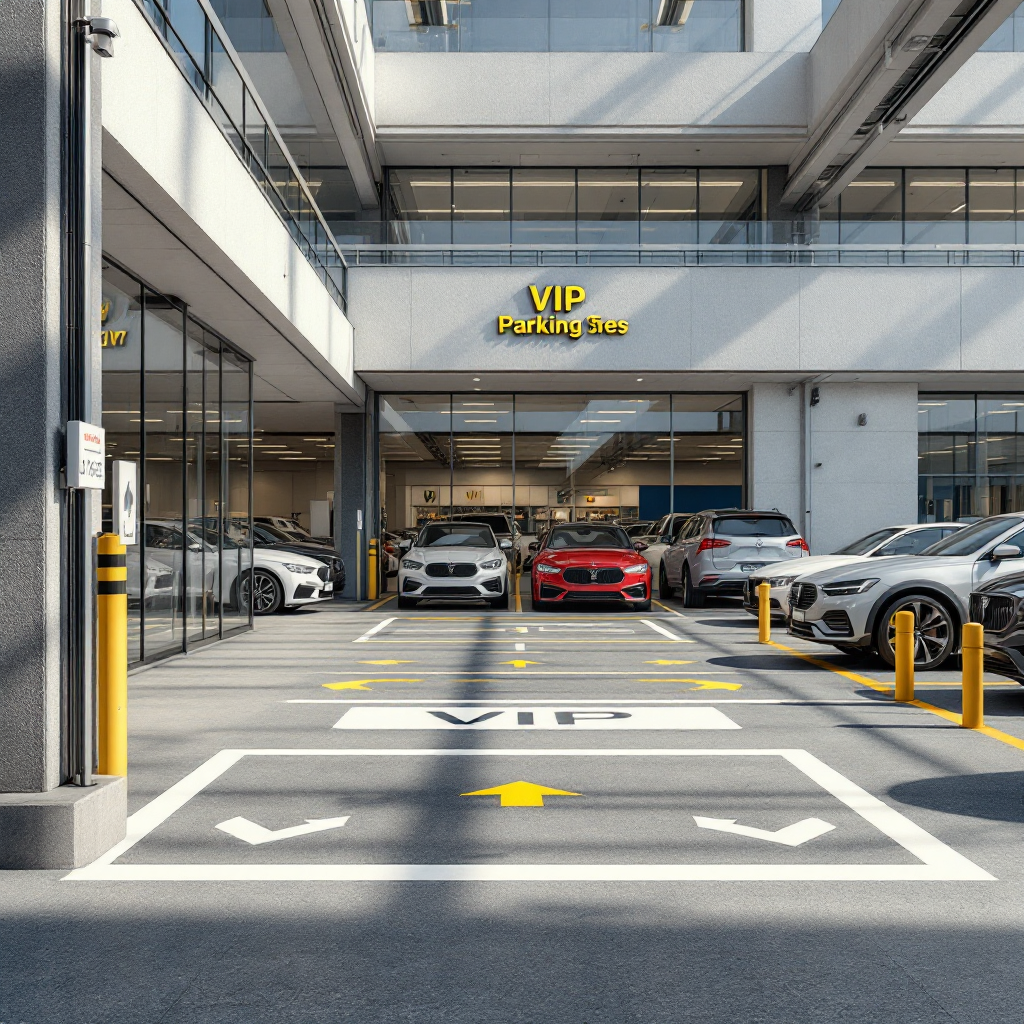
Retailers are increasingly focused on metrics like occupancy and dwell time. By analysing plate numbers over weeks, teams can analyse parking and discover parking patterns. In turn, operations staff can streamline patrols and staff allocation. For traffic flow into and out of a garage, plate recognition reduces bottleneck risk by speeding pass through tolls or gates. Also, systems can issue an automated alert when an unauthorized or blacklisted plate attempts entry.
Loss prevention gains from linking suspicious vehicles to incidents. When a shoplifting event occurs, plate reads can match vehicles seen on adjacent cameras. Then loss teams can cross-reference plate numbers with CCTV clips and incident records. This speeds investigations and supports crime prevention. For retailers that need searchable footage, our forensic search tool demonstrates how video and plate logs work together forensic search in airports. Finally, use cases extend to loyalty: a returning car can trigger offers and personalise the parking experience. Many of these applications and benefits arise from immediate data about visits and vehicle behaviour.
AI vision within minutes?
With our no-code platform you can just focus on your data, we’ll do the rest
key features: AI, OCR and real-time processing
High accuracy and speed define modern plate systems. For example, recent reports state “AI LPR technology achieves 98% accuracy with a 0.1-second response time,” which matters in busy retail settings where vehicles pass quickly accuracy report. Also, advances in detection models improve recognition rates even when plates move or when lighting changes. The core detector plus an OCR layer turns plate regions into alphanumeric strings. This lets a back-end system match records or trigger an alert. Using anpr helps staff act faster and with confidence.
Edge-AI versus cloud choices affect latency, privacy, and cost. Edge processors deliver immediate data and lower round-trip time. Therefore, edge aligns with EU AI Act needs and privacy by design. Cloud setups centralise updates and can scale easily. Yet, they may send license plate data off-site. Visionplatform.ai supports edge and on-prem processing so teams can keep plate recognition models and license plate data inside their environment. This design reduces vendor lock-in and supports auditing.
Key features include configurable triggers for security or loyalty workflows, real-time streaming of events, and the ability to convert images of license plates to searchable logs. Systems can cross-reference plate numbers with membership databases, flag unpaid parking, and record entry and exit times. They also help with access control for staff-only zones. As a result, teams get valuable data that powers dashboards and supports faster incident response. The single algorithm that ties detection to recognition can be retrained on local footage for better site-specific performance.
benefits of lpr for traffic management and customer insights
Benefits of LPR span traffic management, marketing, and safety and security. Intelligent parking reduces parking congestion and makes sense why license plate recognition speeds flows. For traffic management inside retail sites, shorter wait times and smooth traffic flow improve the parking experience. Managers can assign lanes dynamically and react to peak demand. This reduces customer frustration and improves the shopping trip.
On the analytics side, license plate data produces valuable data for operations and marketing. Teams can measure repeat visits and peak-visit analytics. Then, they can stream offers to returning customers and build customer loyalty. For example, loyalty systems can recognise a car and apply a discount automatically. Also, teams can analyze parking patterns to plan staffing and store layouts. These various applications help retailers reduce costs and enhance the visit.
From a security perspective, integrating plate recognition with security systems improves crime prevention. Systems can notify staff about unauthorized vehicles and help law enforcement agencies with plate evidence. Also, because LPR can operate in real-time, staff can be dispatched quickly to handle potential threats or unauthorized access. Finally, for controlled environments such as airports and large retail hubs, plate recognition supports broader smart cities initiatives that require immediate data sharing and localised control further reading.
FAQ
What is license plate recognition and how does it work?
License plate recognition captures an image of a vehicle and identifies the plate area. Then optical character recognition reads the numbers and letters and returns a searchable text string. The system often combines a detector and an OCR engine to deliver real-time results.
How is ANPR different from LPR?
ANPR stands for automatic number plate recognition and LPR stands for license plate recognition. In practice they refer to the same technology. Vendors may prefer one term, but both capture and convert images of license plates into alphanumeric text.
Can LPR systems handle night-time and poor lighting?
Yes. High-quality cameras with IR illumination and good placement help. Also, modern AI detectors and OCR models perform well even in low light, ensuring reliable recognition rates.
Are there privacy concerns with license plate recognition?
Privacy matters, especially in the EU. Edge processing and on-prem storage keep license plate data local and reduce data exposure. Visionplatform.ai offers on-site models to help meet compliance and audit requirements.
What hardware do I need to deploy LPR?
You need cameras that can capture clear plate regions at the required distance. Edge compute like GPU servers or devices such as NVIDIA Jetson handle detection and OCR. Network infrastructure moves events to dashboards or security tools.
How does LPR support loss prevention?
LPR links suspicious vehicles to incident footage, enabling faster investigations. Security teams can cross-reference plate numbers with incident logs and collaborate with law enforcement agencies when necessary.
Can LPR help with customer loyalty?
Yes. When a returning vehicle is recognised, the system can trigger loyalty offers at POS or through parking validation. This improves customer loyalty and personalises the visit.
What are the performance expectations for modern LPR?
Modern systems can reach very high accuracy and low latency. For instance, some AI LPR solutions report about 98% accuracy with sub-second response times. Actual results depend on camera quality, lighting, and model tuning.
How do I integrate LPR with my POS or barrier systems?
LPR platforms stream events through APIs, MQTT, or webhooks. Integrations map plate reads to actions such as opening a gate, validating parking, or tagging a purchase in POS systems.
Where can I learn more about deploying ANPR in controlled settings?
Look at industry resources and case studies related to airports and large sites. Our pages on ANPR in airports and vehicle detection explain typical deployments and integration approaches anpr and lpr in airports and vehicle detection and classification. For forensic use, see our forensic search resource forensic search in airports.