anpr and license plate recognition system in warehouse operations
ANPR, also referred to as automatic number plate recognition, and lpr both describe camera-driven systems that read license plates to control vehicle access at warehouses. First, cameras capture plate images as vehicles approach entry and exit lanes. Then the system uses optical character recognition to extract the alphanumeric characters from those images of license plates and produce usable plate data. As a result, operators can verify credentials instantly and reduce the need for manual checks.
From a practical viewpoint, a license plate recognition system speeds throughput, reduces labor, and strengthens site security. For example, warehouses that adopt these solutions report significantly faster gate cycles; some operations see vehicle processing time drop by up to 50% when they integrate automated workflows and lpr workflows (source). In addition, ANPR and lpr systems cut unauthorized entries dramatically; deployments have recorded reductions in unauthorized vehicle entries of more than 70% (source).
Technically, the system places high-resolution lpr camera units at controlled lanes so the cameras capture images of license plates with minimal blur. Next, an algorithm cleans the frame, locates the plate region, and sends it to OCR. Then the system compares the extracted string to pre-approved lists or external databases. Finally, the platform triggers access control actions like opening a gate or raising an alert.
Warehouse teams gain operational visibility and stronger audit trails. Additionally, these systems feed WMS and management systems with structured lpr data, which automates reporting and supports analytics for traffic flow, dock utilisation, and staffing. Companies such as Visionplatform.ai help turn existing cameras into accurate operational sensors so your VMS can stream events to business systems and security platforms.
lpr camera and license plate reader deployment at access points
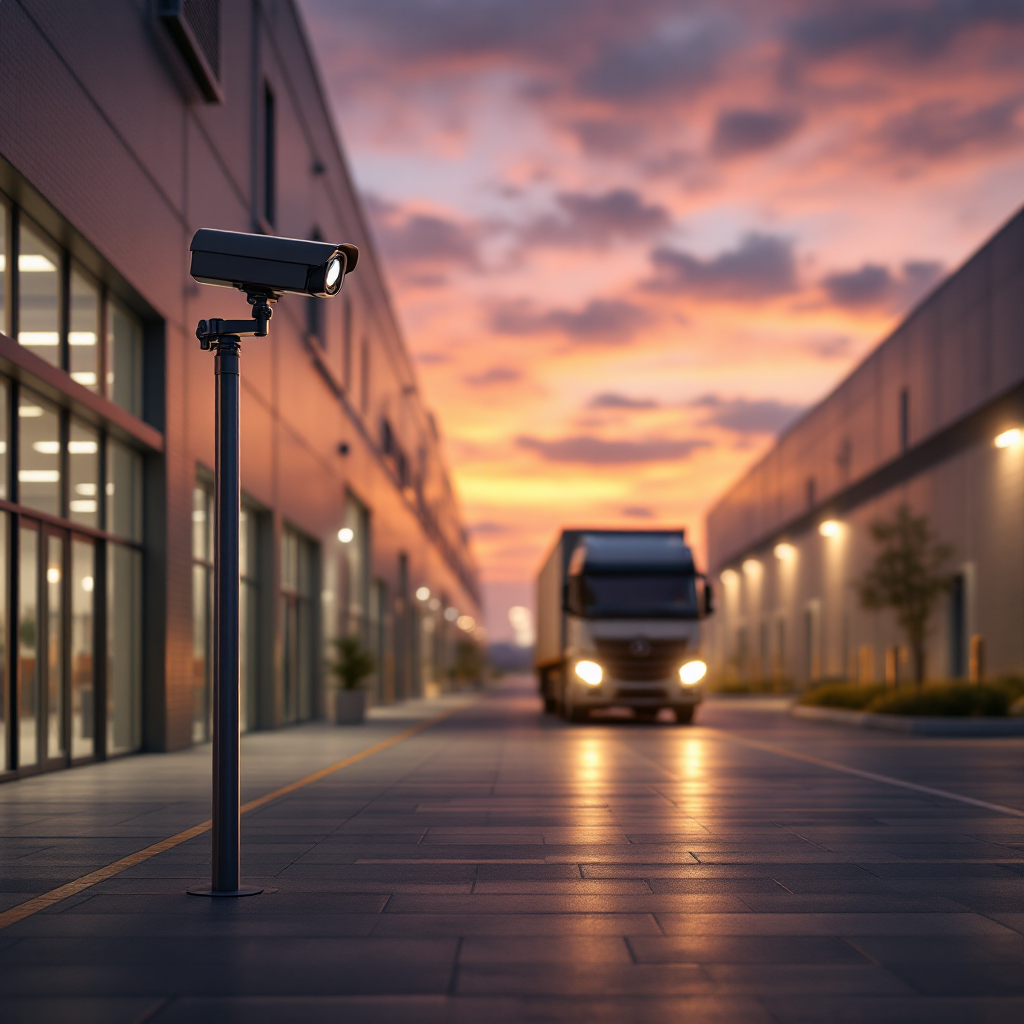
Positioning matters. To capture crisp license plate images you should mount a lpr camera at the correct height and angle so it faces the plate squarely as vehicles enter and exit. First, set cameras to a modest downward tilt to avoid reflections. Next, ensure trucks and vans cross a marked capture zone where cameras consistently obtain a full plate view. Cameras are designed to handle variable approach speeds; however, selecting the right camera and lens reduces motion blur and improves plate reading rates.
Choose rugged license plate reader hardware that tolerates weather conditions and low light. For reliable operation around the clock, use units rated for outdoor duty and with IR illumination for low light scenarios. Also, place cameras with small protective hoods to shield lenses from rain and spray. This setup lowers maintenance and keeps plate images clean for OCR.
Configure triggers, such as loop detectors, radar, or vehicle presence signals, so the lpr system captures a frame when a vehicle slows at the gate. Angle and trigger tuning minimise misreads and prevent partial captures of license plates across different vehicle types. In practice, a mix of fixed cameras for cars and specialised lpr camera models for high-mounted plates on lorries creates a robust solution.
Finally, integrate lpr camera feeds with your existing security camera network to avoid vendor lock-in. For operational analytics, stream events to dashboards and OT systems so teams can automate gate opening and dispatch with confidence. If you want examples of how visual detection scales to complex sites, see the vehicle detection and classification solutions that work with airport-grade VMS integrations (vehicle detection and classification). In sum, careful placement and choice of license plate reader hardware make the difference between periodic reads and consistent, high-accuracy plate reading.
AI vision within minutes?
With our no-code platform you can just focus on your data, we’ll do the rest
algorithm for accurate capture of license plates under varied conditions
At the core of every lpr solution sits an algorithm that detects license plate images and extracts the alphanumeric characters. First, a detection model localises the plate region in the frame. Then preprocessing removes noise, corrects skew, and enhances contrast so the optical character recognition model can read the text. Modern recognition solutions combine convolutional neural networks for detection with sequence models or CRNNs for OCR. These ai algorithms improve recognition over older template-based methods.
Environmental factors like dirt, reflections, and heavy rain challenge accuracy. To mitigate this, deploy multi-frame aggregation so the algorithm selects the clearest frame from a short burst. Also, use exposure fusion to handle reflective or glossy plates. Calibration matters too; if you tune camera resolution and shutter speed for your traffic mix, accuracy depends on camera and lens choice as much as the software. For instance, camera resolution and lighting and weather conditions directly affect read rates; advanced systems add IR fill light and HDR processing for low light and high contrast scenes.
Use continuous validation and periodic retraining to keep performance high. For example, feed verified plate images back into the system to reduce false reads. Visionplatform.ai recommends on-prem model updates so teams can retrain on site-specific examples without sending data to the cloud. In practice, this approach addresses plate formats, fonts, and unique regional variations.
Finally, implement rules to detect partial reads and flag them for human review. This creates an audit trail and improves long-term accuracy. When configured properly, lpr systems read and interpret diverse license plates across vehicle types, even in challenging conditions. To learn about similar detection use cases and scaling video analytics, consider exploring how ANPR and LPR have been used in airport environments (ANPR/LPR in airports).
Integrating lpr systems with vehiclemanager enterprise and WMS
Integration is a key step to turn plate reading into business value. Captured plate data should flow into VehicleManager Enterprise or your WMS so the system can automate gate decisions and scheduling. Once lpr data enters the management systems, workflows can match incoming vehicles to bookings, allocate a dock, and update ETA fields. This automation reduces idle time and improves dock assignment accuracy.
APIs provide the glue. Use REST or MQTT endpoints to stream events and real-time alerts to operational dashboards. For example, a recognised plate can trigger an API call that confirms a delivery slot, updates inventory timing, and instructs a loading team. Similarly, if a plate fails to match, configure the system to send an alert and open a secure queue for verification.
Integration also supports analytics. Combining license plate recognition records with WMS datasets helps teams analyse dwell time, turn-around, and loading-bay utilisation. These insights feed continuous improvement and capacity planning. In practice, companies that automate gate control through anpr data improve throughput and see measurable benefits in throughput and labour efficiency (study).
Security and compliance matter when linking systems. Keep plate data in your private environment where possible. Visionplatform.ai enables on-prem processing and event streaming so enterprises can own their data and meet EU AI Act readiness. Finally, ensure your integration supports real-time eventing and scheduled batch syncs so both immediate and historical analytics remain accurate.
AI vision within minutes?
With our no-code platform you can just focus on your data, we’ll do the rest
security with advanced anpr and lpr technology for warehouse protection
Security with advanced ANPR and lpr technology strengthens site defences at the perimeter and beyond. Use pre-approved vehicle lists to allow seamless entry for trusted carriers and deny access to unauthorized vehicles. When a plate matches a banned list, the system should block entry and raise an alert to security operators. Real-time alerts also trigger cameras and door locks to respond quickly.
For incident investigation, the platform must produce auditable logs that link plate reading timestamps to camera footage. These audit trails support compliance reviews and legal requests. In fact, commercial security systems increasingly pair plate reading with other sensors to detect vehicles of interest and coordinate security responses. “Automated license plate recognition technology integrates sophisticated software with cameras to provide real-time vehicle identification, which is indispensable for modern warehouse security” (quote).
Further, integrate lpr outputs into your broader security platforms so teams see unified alerts and state changes. For example, tie plate detection to perimeter breach detection rules or to existing security camera feeds for operator review. This unified view prevents false alarms and places plate information into context with other events.
Finally, advanced deployments use pattern analysis to detect repeated suspicious behaviour, such as vehicles that enter frequently without valid bookings. These patterns produce automated security alerts and support proactive patrols. If you want deeper examples of perimeter and intrusion detection tied to vision analytics, see a related deployment that focuses on perimeter breach detection (perimeter breach detection).

wide range of applications: from vehicle tracking to analytics
ANPR and lpr extend far beyond gate control. They support vehicle tracking across a site and feed analytics that improve traffic management and operational planning. For example, system logs can reveal peak delivery windows and lane bottlenecks so planners can reschedule shipments and improve traffic flow. In addition, lpr helps parking enforcement and ensures reserved bays remain available for authorised users.
Use the collected license plate data to quantify dwell time, measure turn-around, and calculate loading-bay utilisation. These metrics inform staffing, shift design, and capacity forecasts. Also, combine plate records with telemetry from forklifts and RFID readers to build a complete picture of goods movement and site throughput. The wide range of applications includes security, traffic management, vehicle tracking, and even forensic search across recorded video.
Looking forward, AI-enhanced recognition and cloud-based insights will add predictive capabilities. Yet many enterprises prefer on-prem processing to keep control of their data and to stay compliant. Visionplatform.ai supports both approaches by converting existing CCTV into operational sensors that stream events for analytics and OEE dashboards. In this way, teams use anpr to power broader operational KPIs.
Finally, lpr helps link physical flows to business outcomes. By correlating plate information with shipment status, warehouses can reduce detention fees and improve carrier performance. As technology has evolved, recognition solutions now perform even in challenging conditions and provide real-time intelligence for security and operations. If you want more examples of how detection scales in complex transport hubs, review people-counting and crowd analytics capabilities that complement vehicle detection use cases (people counting).
FAQ
What is the difference between ANPR and LPR?
ANPR and LPR are terms for the same core capability: cameras plus software that read license plates automatically. ANPR stands for Automatic Number Plate Recognition and is often used interchangeably with lpr.
How do lpr cameras capture license plates at night?
LPR cameras typically include IR illumination and HDR imaging to capture plate images in low light and glare. Additionally, camera settings such as shutter speed and gain can be tuned for low light to improve plate reading rates.
Can lpr integrate with my existing WMS and VehicleManager Enterprise?
Yes. Most lpr solutions expose APIs that enable integration with WMS and VehicleManager Enterprise so plate reads trigger dock assignments and schedule updates. These integrations automate workflows and reduce manual steps.
How accurate is license plate recognition in bad weather?
Accuracy depends on camera resolution, lens choice, and environmental factors such as rain or snow. Using rugged hardware, multi-frame capture, and on-site calibration improves read rates even in adverse weather conditions.
Does lpr technology keep plate data private?
Systems can be configured to store and process plate images on-premise, which helps organisations control access to license plate images and associated plate data. On-prem processing supports GDPR and EU AI Act readiness when done correctly.
What happens when a plate does not match the approved list?
If a plate does not match pre-approved records, the system can send an alert to security and hold the vehicle at the gate. You can also configure manual verification steps or temporary access with audit logging.
Can lpr help with analytics and traffic flow optimisation?
Yes. lpr data feeds analytics that reveal peak times, dwell time, and bay utilisation, which helps managers plan shifts and reduce congestion. These insights support continuous operational improvements.
Do I need new cameras to deploy license plate recognition?
Not always. Many systems work with existing camera systems if the cameras meet minimum resolution and mounting requirements. Otherwise, adding purpose-built lpr camera units often improves performance.
How do I reduce false reads from dirty or damaged plates?
Use multi-frame aggregation, periodic camera cleaning, and retraining with local plate images to reduce false reads. Also, configure verification rules to flag partial reads for human review.
How quickly can an lpr system open a gate after recognizing a plate?
With proper integration, the system can open a gate in real time as soon as the plate is recognised and validated. The process depends on network latency and integration with access control, but many setups perform this action within seconds.