avigilon video management and video analytics software overview
Avigilon provides a unified video management platform that combines centralised video management and video analytics in a single interface. First, the platform collects streams from security camera and networked recorders. Then, it indexes metadata so teams can find relevant footage fast. The architecture scales from a single-site deployment to large, multi-site networks that use network video recorders and cloud management when needed. Also, the platform supports NVRS and follows video streaming protocols so existing infrastructure keeps working.
The core components include a VMS, smart edge analytics, and a management layer that supports retention policies and system-wide configuration. Additionally, the system interops with access control, ANPR/LPR devices and third-party security tools to give an end-to-end view of security events. For example, you can combine data from avigilon cameras and third-party smart sensors to produce a clearer narrative of events. This means fewer screens for the operator and more actionable intelligence for security management.
Avigilon’s approach reduces manual work. Operators no longer need to sift through hours of video or traditional video archives to find incidents. Instead, advanced indexing and deep-learning models tag recorded video with searchable attributes. The platform works with CCTV, IP cameras and many security system installations. If you run operations at an airport or campus, see how people detection integrates with planning and control rooms by visiting a use case such as people detection in airports: people detection in airports. In practice, the solution also supports cloud management or on-premise deployments, according to privacy and compliance needs. Finally, avigilon video remains compatible with existing security camera fleets and VMS choices so upgrades are practical and incremental.
The role of AI and video analytics in avigilon appearance search
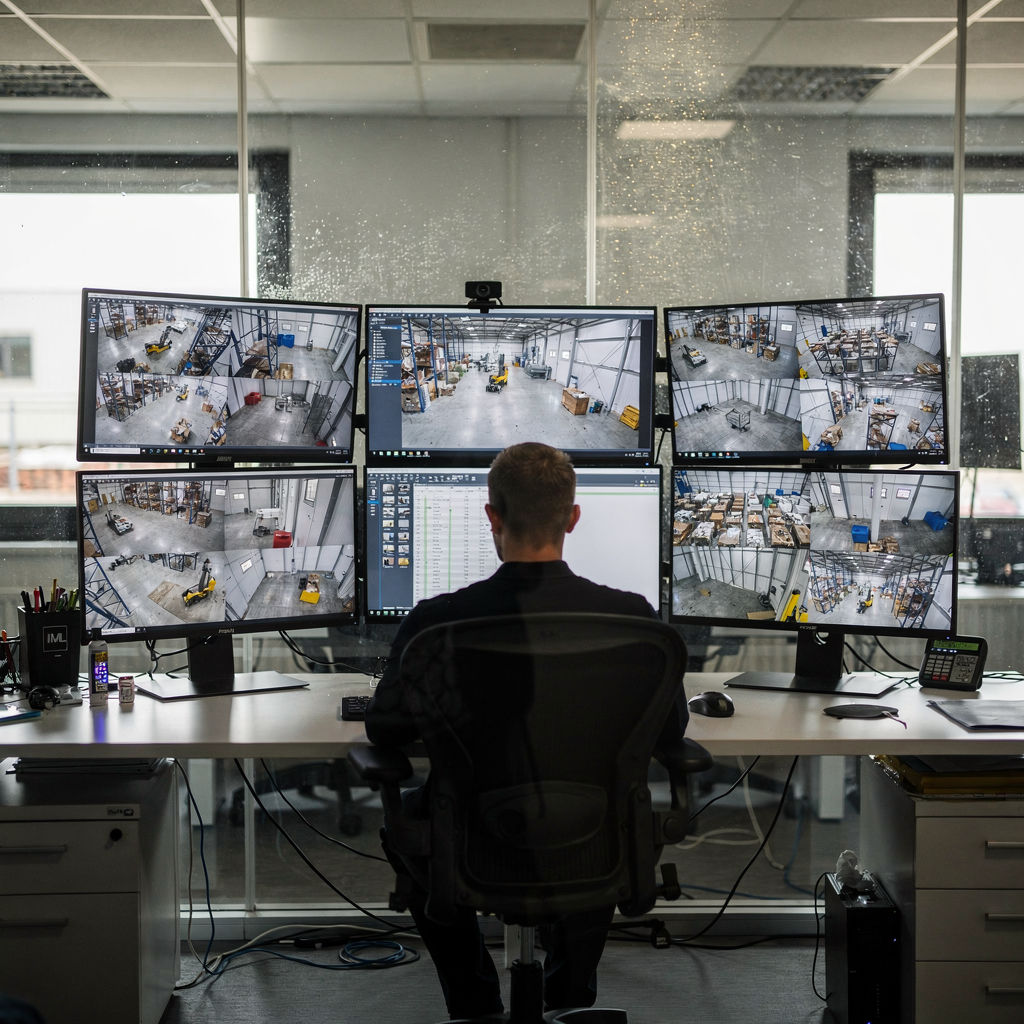
At the heart of the Avigilon solution sits an AI engine that powers appearance search and precise indexing. The deep-learning models analyse attributes such as clothing color, hair color and gender. Then, they create semantic descriptors that let teams initiate a search across multiple video sources in minutes. This ai search engine reduces manual review of hours of video while boosting search capabilities.
Avigilon Appearance Search™ is a recognised appearance search technology that can filter by clothing color or accessories and by coarse attributes such as age or gender. In addition, the system supports facial recognition in limited, policy-driven scenarios, where allowed. You can enter physical descriptions, for instance clothing color, to find a person or vehicle quickly. The result is a tool that speeds investigations and helps control rooms find a person or vehicle of interest without relying only on timestamps.
For security teams that need tighter integration, the tool can be integrated with Avigilon Control Center. In practice, many deployments are integrated with avigilon control center and provide a single workflow for review and export. For organisations that prefer AI on-premise, the models run locally so recorded footage does not leave the environment. If you want an operational example, read the Mount Vernon police customer review that explains how the platform improved their searches: Mount Vernon PD | Avigilon Unity Customer Review. Furthermore, visionplatform.ai offers a complementary on-prem Vision Language Model that converts video into text so searches can use natural language. This makes the process faster for the operator and reduces time to evidence.
AI vision within minutes?
With our no-code platform you can just focus on your data, we’ll do the rest
Streamlining forensic investigations with avigilon appearance
Forensic investigations move faster with automated indexing and filtered searches. First, teams define a time window and enter physical descriptions. Then, the platform analyses the recorded video and returns candidate clips. The operator reviews short clips instead of long recordings. As a result, investigative teams save hours that would otherwise be spent viewing traditional video.
A typical workflow begins when an incident is reported. The investigator will initiate a search by entering clothing color or a rough timestamp. Next, the ai-driven engine scans multiple camera views and ranks results. This process uses deep-learning to match attributes and track movement across cameras. By combining metadata, the system produces a clear narrative of events and highlights relevant footage for quick export.
One real-world case illustrated this benefit. A city police team used appearance search to locate a suspect after an evening incident. Within minutes the system returned a set of high-probability matches drawn from hours of video, which allowed officers to focus on the most relevant footage and reduce time-to-identification. The team noted that the tool let them sift through hours of video faster than manual review and improved their chances of collecting usable evidence. For teams that must follow strict retention policies and chain-of-evidence rules, this speed matters. In some cases, forensic investigations that once required days were condensed to hours, freeing resources for other tasks. If your environment includes airport operations, see how forensic search in airports ties into operational response: forensic search in airports.
Improving incident response and response times with avigilon video
Real-time alerts and automated workflows turn surveillance into a proactive tool for incident response. The platform can generate real-time alerts for unattended bags, perimeter breaches or unusual motion. Then, it can notify relevant teams and even suggest actions. This reduces the need for constant manual monitoring and helps prioritise threats that require immediate attention.
When an alert fires, the operator gets context. The system provides timestamps, camera feeds and short clips. In addition, it correlates video metadata with access control logs and other signals to present actionable intelligence. This gives security teams the evidence they need to decide quickly. As a result, response times improve and field officers receive clearer dispatch information.
Integration with partner technologies, including ANPR and LPR, enables log vehicles and tag plates that help locate vehicles of interest. An example of integrated capability is described in the ANPR/LPR airport page, which shows how plate reads support investigative workflows: ANPR/LPR in airports. Moreover, the system can alert operators to security events and reduce false positives through contextual verification. This reduces alarm fatigue and improves overall security management. Organisations that adopt this approach report better coordination between the control room and field teams, faster evidence delivery, and clearer compliance trails with documented incident response.
AI vision within minutes?
With our no-code platform you can just focus on your data, we’ll do the rest
Advanced applications of appearance search in video analytics software
Appearance search extends beyond single-camera queries. It supports multi-camera tracking and cross-site forensics so investigators can follow movement across large areas. The platform ingests feeds from multiple video sources and correlates detections into continuous tracks. This capability is particularly useful for sprawling sites and transport hubs, where a person may traverse many camera views in a short time.
Customisation is possible. Teams can define attributes such as clothing color, accessories, or behaviours like loitering. In addition, classifiers can be trained with site-specific data so that unusual objects or actions are flagged more accurately. For operators who require LPR or specific vehicle logging, the solution supports lpr workflows that log vehicles and match them to events. The same environment can ingest data from ACC systems and present cross-referenced context for each alert.
On the technology side, machine learning and deep-learning models improve with more data. As models learn, they reduce false positives and sharpen search results. Vendors are also adding ai-enabled modules for specific tasks such as threat detection and unattended bag detection. In parallel, visionplatform.ai emphasises AI agents that convert detections into reasoning, so operators receive recommendations rather than raw alarms. This shifts time from verification to decision-making. For organisations that need a software designed workflow, the combination of AI models and policy-driven automation makes the system scalable while keeping everything on-premise when required, reducing cloud exposure.
How to download your free avigilon appearance search trial
If you want to download your free trial of Appearance Search, follow a few simple steps. First, check that your servers meet the minimum hardware requirements and that cameras follow video streaming protocols supported by the platform. Second, verify that your network and nvrs are accessible and that any retention policies are documented. Third, request a trial from an authorised provider and arrange a test plan that uses multiple camera angles and hours of video to evaluate performance.
Installation is straightforward. Install the client and connect it to your VMS. Many sites run tests on a small set of cameras first so they can validate search capabilities with known events. During setup, try entering physical descriptions like clothing color or hair color to confirm matches. Also, test person or vehicle filters and the system’s ability to sift results by time and location. For best results, pair the trial with guidance from controls or integrators and run scenarios that reflect your normal operations.
Remember to plan for operator training and to document how the tool will interact with existing security system processes. If you run an airport environment, consider testing cross-checks with ANPR/LPR systems and other modules such as intrusion and loitering detection. For more detailed operational examples and to learn how the tool can benefit from intelligent video analytics in practice, consult the complete buyer’s guide and checklist and analytics in our complete buyer’s resources. Finally, if you need help moving from detections to AI-assisted operations, visionplatform.ai can demonstrate how to combine appearance search with Vision Language Models and agent-based workflows to turn video into actionable intelligence.
FAQ
What is Avigilon Appearance Search and how does it work?
Avigilon Appearance Search is a forensic AI tool that indexes visual attributes so users can locate subjects across cameras and time. It uses AI and deep-learning models to match clothing, hair, and other visual clues, then ranks likely matches for quick review.
Can appearance search reduce the time spent watching recorded footage?
Yes. By returning short candidate clips, appearance search reduces hours of manual review to minutes. Investigators can focus on relevant footage and build a faster narrative of events.
Is the technology suitable for multi-site deployments?
Absolutely. The platform scales to support many cameras and NVRS across locations and is designed to manage multiple video sources for cross-site forensics. This helps organisations that need consistent search capabilities across sites.
How does the system help with incident response?
It supplies rapid context, short video clips, and corroborating data so teams can decide quickly and reduce response times. In addition, real-time alerts and automated workflows help control rooms move from detection to action.
Does the solution support on-premise deployment?
Yes. Many customers choose on-premise deployments to keep recorded footage and models inside their environment. This reduces cloud dependency and helps meet compliance requirements.
Can the tool integrate with access control or ANPR systems?
Integration is supported and common, allowing teams to correlate video with plate reads and access control events. This combined view provides stronger investigative leads and clearer incident timelines.
Is facial recognition required to use appearance search?
No. Appearance search can operate using non-biometric attributes like clothing color or accessories, which is useful when facial recognition is restricted by policy. This lets teams find persons of interest without relying on biometric matches.
How should teams evaluate the system during a trial?
Run scenarios that mirror daily operations, use a mix of camera angles, and test searches using clothing color, hair color, and time windows. Also, measure how quickly the operator can initiate a search and obtain relevant footage.
What role do operators have when AI flags an event?
Operators verify AI results, make context-aware decisions, and follow escalation procedures as required. AI assists by ranking results and offering suggested actions, but human oversight remains key.
Can this technology work with existing VMS and cameras?
Yes. It is designed to integrate with leading VMS platforms and common camera streams, so you can test it on your current camera fleet without replacing all hardware. For airport-specific integrations and features like LPR and loitering detection, review specialised resources to plan your deployment.