avigilon AI-powered video intelligence solution
Avigilon delivers an AI-powered analytics suite that aims to move surveillance from raw footage to actionable intelligence. First, the suite applies machine learning models to detect people, vehicles, and behaviors. Next, it indexes recorded clips so operators can locate incidents without scrolling hours. Also, the platform supports real-time indexing and time-synced metadata. As a result, teams can reduce manual review and improve reaction time.
The core includes real-time video indexing, object recognition and appearance tracking. For example, the platform will extract a face, a clothing color, or a vehicle plate, then compile that metadata into searchable entries. In practice, this transforms many hours of video into structured records. This design helps security centers that face a high volume of alerts. In addition, the suite integrates with network video recorders and NVRS so storage and indexing stay aligned with existing hardware.
Importantly, Avigilon combines these elements into a system that empowers operators. The operator sees summarized events, clear thumbnails, and descriptive timelines. Then, the operator can select a clip, locate linked footage across cameras, and build a narrative of events. This approach reduces review time from many hours to a small minute-scale workflow. For technical readers, see avigilon documentation for implementation guidance and compatibility notes source. Finally, this solution supports retention policies, secure storage, and proven deployments that scale to busy control centers.
avigilon appearance search: search and appearance capabilities
Avigilon Appearance Search provides powerful, appearance-based retrieval across camera networks. First, the tool lets an operator describe a person or vehicle and then locate matching clips quickly. For example, a user can ask for “a person wearing a red jacket” and the system will compile likely matches from multiple video streams. Also, a user can find “a vehicle moving against traffic” or “a face seen at Gate B.” This ability to use physical descriptions, gender, clothing color, and other characteristic markers speeds investigations.
Appearance-based queries rely on indexed attributes and cross-camera correlation. The deep-learning models assign feature vectors to each detection and then index them for retrieval. As a result, teams can locate a person or vehicle of interest across an airport, a city center, or an industrial site. In many customer reports, this reduces manual review by up to 90% and makes it simple to locate evidence for patrols or law enforcement source. In addition, the platform supports search capabilities for both live and recorded footage, which helps when minutes matter in incident response.
Operators find the interface easy and reliable. They can select thumbnails, refine by route or location, and then compile a timeline. Also, Avigilon cameras contribute consistent metadata to the index, which improves the match rate across angles. For forensic workflows, the organized output becomes clear evidence for reports and agencies. Finally, the system includes acc logs and timestamps so auditors can trace queries and results for compliance.

AI vision within minutes?
With our no-code platform you can just focus on your data, we’ll do the rest
description of AI-powered build for investigation efficiency
At the core sits a deep-learning architecture that converts pixel data into searchable descriptors. First, convolutional networks extract features such as face landmarks, clothing color, and gait. Then, embedding layers compress those details into vectors that a retrieval engine can match. This deep-learning pipeline acts as a deep learning ai search engine used to index every detected object. Also, indexing runs in near real time to ensure that new footage becomes available for query quickly.
The data-build process includes feature extraction, indexing, and cross-camera correlation. First, detections from multiple video sources are normalized. Next, the system will tag each detection with metadata, such as location, route, and time. Then, the index compiles those tags into a comprehensive catalog. This lets an investigator locate and follow a person across scenes, even when lighting and perspective change. Moreover, when combined with integrated with avigilon control center, operators benefit from synchronized playback and quick review.
AI-driven workflows streamline investigation tasks. For example, when an operator receives an alarm, the tool can suggest likely matches and a narrative of events. Also, it can generate a short dossier that includes thumbnails, timestamps, and probable routes. This build of contextual summaries helps evidence collection and reduces time to actionable leads. For teams that need to integrate analytics with access control, the index can tag entries with door events and other system signals. Finally, because the design keeps models close to the control center, sensitive raw data can stay on-premise and under secure storage policies.
solution for incident response, security and operational challenge
Avigilon’s approach supports live incident response and routine operations. First, AI-assisted alerts can prioritize true threats and lower false positives. Also, the platform will correlate detections to provide context before an operator acts. For instance, an alarm for an abnormal movement can include a short clip, a face match, and last-known location. Then, the response team can dispatch personnel with better situational intelligence.
Integration with control centers and alarm management systems makes workflows efficient. The platform can integrate with access control and third-party platforms so that a single pane displays both camera feeds and door events. In addition, operators can receive suggested actions and quickly export clips for evidence. This helps agencies and private teams adhere to incident response procedures while reducing time spent on manual tasks.
Large-scale deployments present unique challenges, such as high-density scenes, many streams, and storage management. Avigilon addresses these via scalable indexing, optimized use of network resources, and compatibility with network video recorders. Also, these deployments can leverage edge inference to reduce bandwidth. For specialized environments like airports, modules such as people-detection and ANPR help improve throughput and passenger flow. See related airport detection resources for detailed examples of people detection and ANPR integration people detection in airports, ANPR/LPR in airports. Finally, the platform helps reduce operator fatigue, and it empowers teams to focus on critical decisions rather than endless clip review.
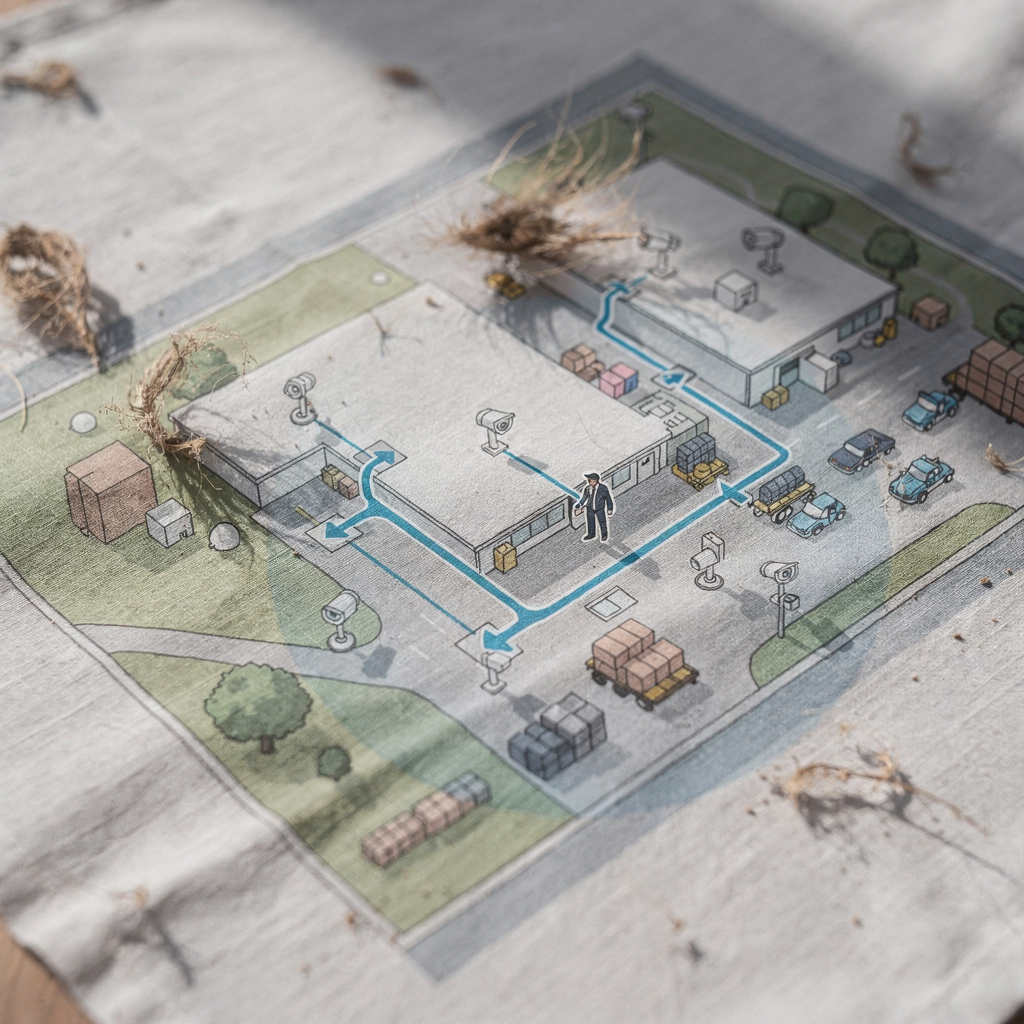
AI vision within minutes?
With our no-code platform you can just focus on your data, we’ll do the rest
Enhancing forensic investigations with video search
Semantic video search reshapes forensic investigations by enabling rapid cross-camera tracking. First, investigators can locate a person or vehicle of interest from a single sighting. Then, they can follow the route across multiple entrances and exits. Also, the system can compile a clear timeline that includes face matches, physical descriptions, and time-stamped thumbnails. This narrative of events becomes part of the case file and can support evidence in court or internal reviews.
Forensic investigations benefit when the tool can correlate data from NVRS, access logs, and third-party sensors. The search engine can compile clips, cross-reference access control entries, and highlight suspicious behavior. Furthermore, law enforcement teams have used appearance-based retrieval to shorten probe times. In field reports, officers noted that the platform helped locate an individual’s last known location in minutes rather than hours source. Also, retail teams use similar workflows for loss prevention by tracing a suspect’s path and compile a dossier for asset recovery.
Case studies show measurable improvements in investigation speed and accuracy. For example, for complex scenes, the platform can improve recognition across occlusions and angles by leveraging multi-camera correlation. Also, inspectors can select clips, export evidence, and attach metadata for chain-of-custody. The tool supports forensic investigations while providing reliable, auditable exports. Finally, organizations can improve outcomes and create a more efficient evidence pipeline that supports prosecution or recovery.
Addressing security challenge with intelligence-driven video analytics
Advanced analytics bring both capability and responsibility. First, privacy and data-governance are central concerns when deploying appearance-based systems. Therefore, agencies must adopt clear policies on retention, access, and audit trails. Also, EU and local regulations influence how footage is stored and how individual’s privacy is protected. As a result, systems must support secure storage, role-based access, and transparent logging.
Compliance-ready design can include on-prem processing, which keeps raw footage inside a facility. visionplatform.ai offers an on-prem Vision Language Model and AI agents that keep data local, helping organizations comply with EU AI Act expectations and regional rules. For organizations that must avoid cloud exports, this model gives peace of mind while still allowing powerful analytics. In addition, teams can configure retention windows and redact faces when required to reduce risk and protect privacy.
Looking ahead, the field will continue to improve accuracy and expand AI-assisted workflows. Future developments may include better face and object recognition under varied conditions and more seamless integration with platforms such as access control and incident management. Also, the fusion of natural language queries with deep-learning models will let operators learn from past cases and improve response. Finally, vendors will need to balance capability with ethical design, and to ensure that systems remain reliable, auditable, and easy to manage as they scale.
FAQ
What is Avigilon Appearance Search?
Avigilon Appearance Search is an AI-powered retrieval tool that locates a person or vehicle across camera networks based on visual features. It uses indexed embeddings to match physical descriptions and then compiles a timeline for review.
How quickly can the system locate a person of interest?
The system can locate matches in minutes instead of hours by using indexed descriptors and fast retrieval. This reduces manual review time and speeds incident response.
Does Appearance Search work across multiple cameras?
Yes. The tool correlates detections from multiple video sources and links them into a unified timeline. That cross-camera tracking helps investigators follow a person’s route through a facility.
Can this technology integrate with existing recorders and VMS?
Integrations are common and the platform can work with NVRS and network video recorders for storage and playback. Integration makes it easier to compile evidence and maintain chain-of-custody.
What privacy controls are available?
Privacy features include role-based access, retention policies, and local processing to avoid cloud exports. These measures help organizations meet regulatory requirements and reduce concern about misuse.
How does the system help forensic investigations?
The system compiles thumbnails, timestamps, and routes that form a clear narrative of events. Investigators can export evidence packages that include metadata to support law enforcement or internal reviews.
Is the solution suitable for high-density environments like airports?
Yes. Scalability and real-time indexing allow deployments to handle many streams and crowded scenes. For airport-specific needs, see specialized modules for people detection and ANPR integration forensic search in airports.
What responsibilities do operators have when using appearance-based tools?
Operators must follow data governance, ensure lawful use, and document actions taken during investigations. This helps maintain trust and ensures results are admissible as evidence.
How does AI improve recognition in challenging conditions?
Deep-learning models extract robust features that help recognition across occlusions, angles, and lighting changes. Continuous model improvement can further improve accuracy and reduce false matches.
Where can I learn more about implementation and best practices?
Technical documentation and vendor resources are good starting points, including avigilon documentation for configuration and integration notes source. For practical examples in airports and similar sites, explore people-detection and related solution pages people detection in airports, thermal people detection in airports.