


Category: Casos de uso
Language model: vision language models for axis
language model and vlms A language model is a statistical or neural system that predicts text and supports natural language tasks. It reads an input and maps sequences to probabilities, and then it helps with text generation, classification, translation, and more. A well-tuned language model also provides contextual signals for downstream tasks, and it powers […]
Axis semantic video search with multimodal AI embeddings
Understanding multimodal embeddings for semantic search in video analysis First, define the difference between semantic video search and legacy keyword-based video search. Semantic video search interprets meaning from scenes, objects, and actions. In contrast, keyword methods rely on tags, filenames, or sparse metadata and so they miss context. Next, consider how multimodal embeddings change that […]
Federate AI agents for federated VMs systems
AI and Traditional AI Systems: Overview and Limitations AI in healthcare monitoring refers to software that senses, interprets, and advises on physiological signals. AI processes ECGs, pulse oximetry, and blood pressure streams. It also scores risk and alerts clinicians. Traditional AI systems usually centralize data in one place. Centralize pipelines collect raw streams in a […]
AI agents for heterogeneous VMs environments: workflow guide
AI: Foundations and Value in Heterogeneous VMs Environments AI agents transform how teams run compute workflows, and they do so by combining autonomy, context, and action. First, an AI agent monitors inputs, then it reasons over signals, and finally it executes tasks. Also, these agents reduce manual steps and improve speed. For example, large language […]
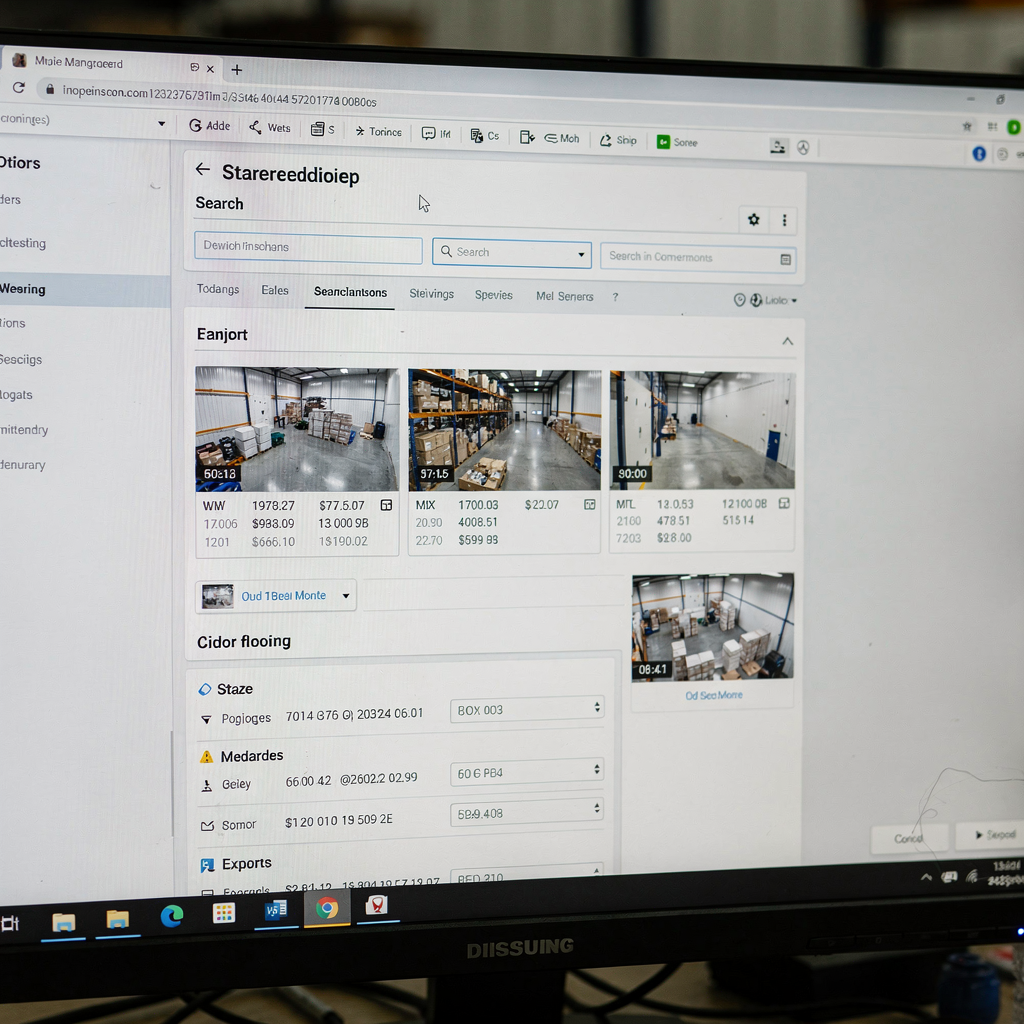
Avigilon documentation: text search Avigilon video
Avigilon documentation: text search Avigilon video avigilon Text Search Capabilities First, an overview helps clarify what text search can do within modern video systems. Also, Avigilon delivers searchable overlays that pair metadata with video. Next, the VMS can index text from point-of-sale overlays, license plates, and access control badges. For example, transaction IDs and amounts […]
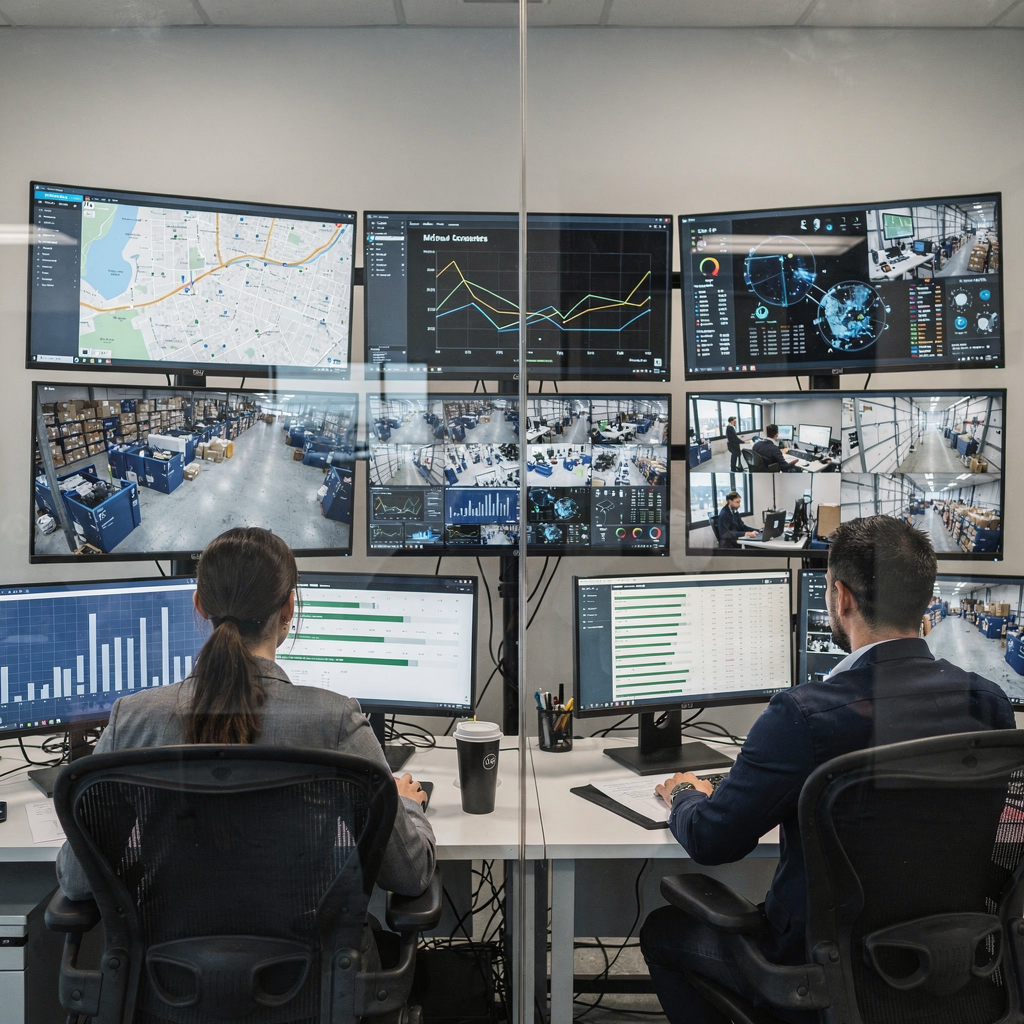
AI automation for Avigilon control rooms
ai: Introduction to AI Automation in Avigilon Control Rooms AI automation in modern control rooms changes how teams work, and how facilities stay secure. AI applies models and rules to live and recorded streams so operators respond faster, and with more confidence. For example, AI systems can reduce false alarms by up to 90% according […]
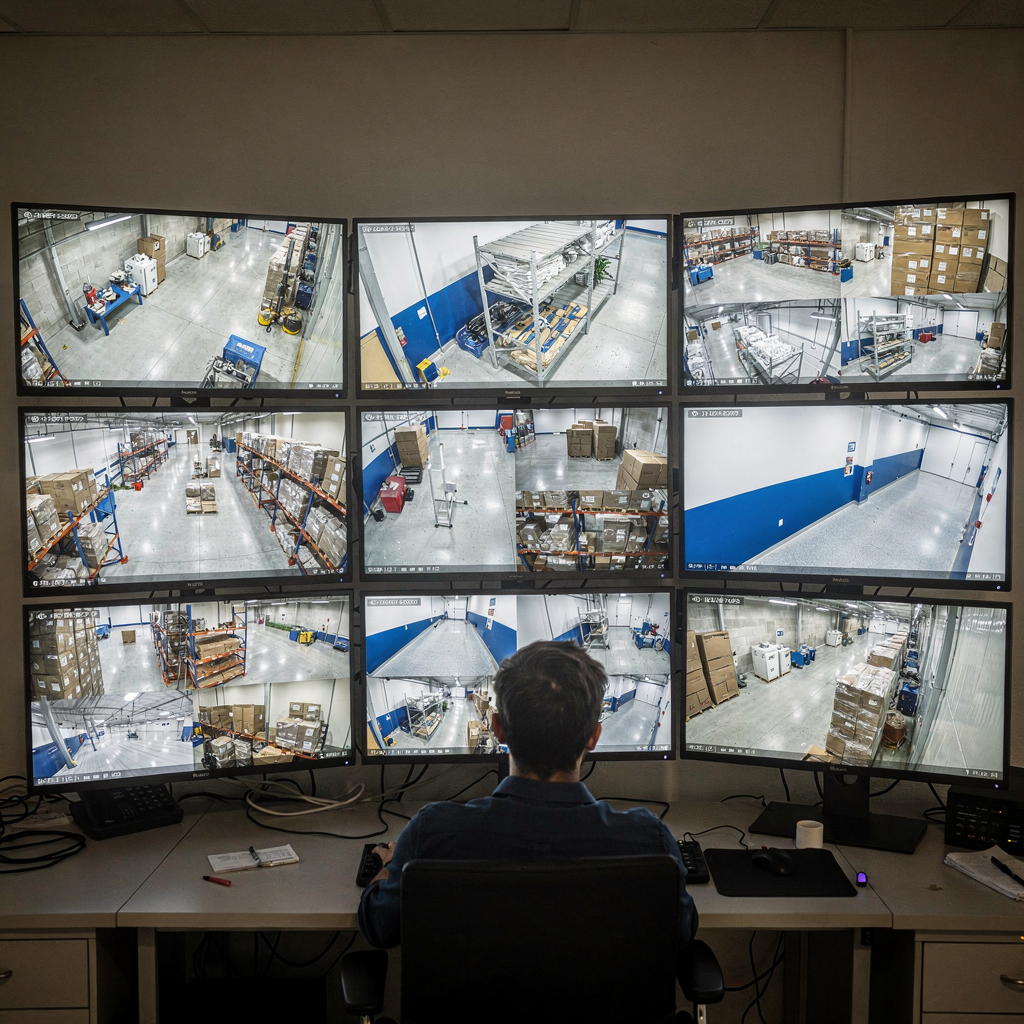
Text search Genetec video guide for Security Center
Understanding video text search basics Welcome to this practical chapter, and welcome to the techdoc hub, and welcome to the techdoc. First, this section defines what text search means inside a modern surveillance VMS and places the concept into operational context. Genetec integrates OCR and metadata extraction so operators can find frames and clips that […]
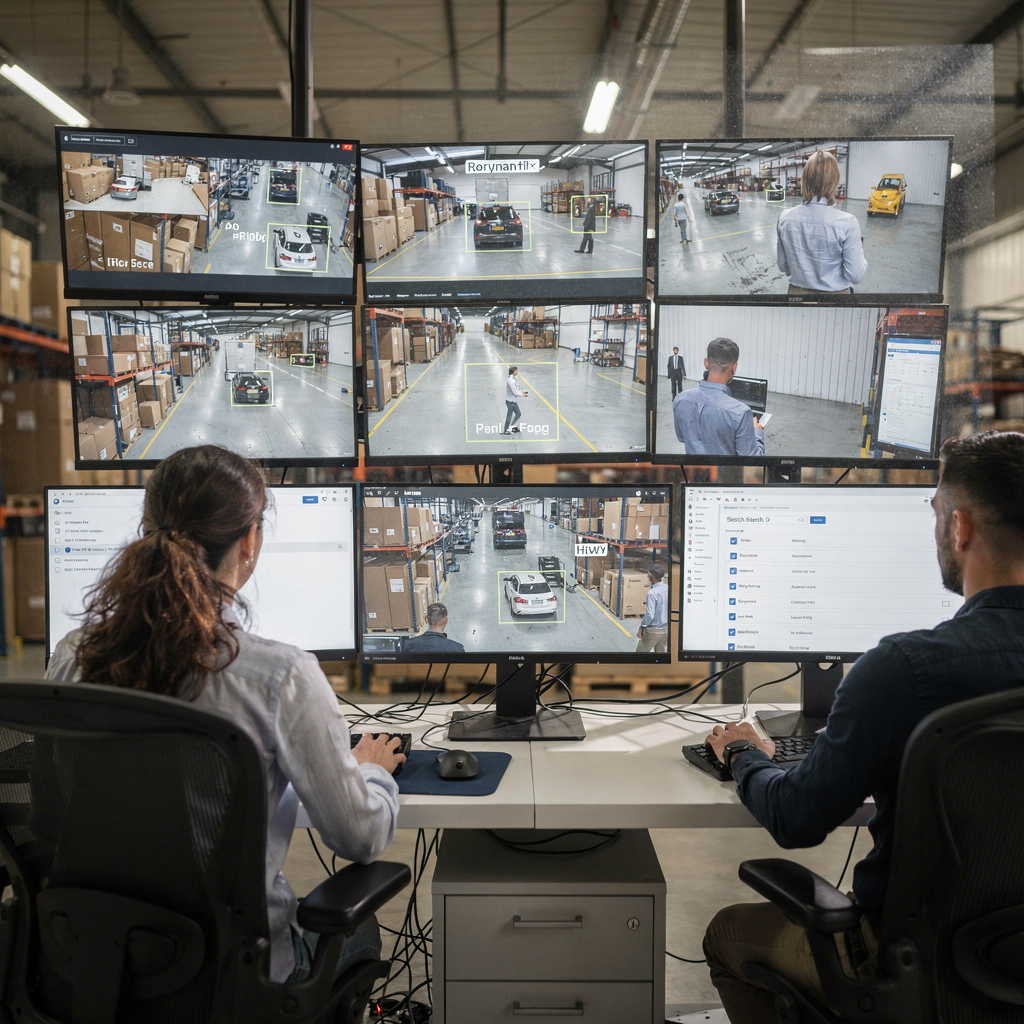
Genetec Security Center forensic search with AI video search
How forensic search optimises surveillance and your video management system Large-scale video surveillance creates a major bottleneck for teams and for investigators. Operators watch streams and rewind hours of recorded images. This process wastes time and distracts staff from proactive tasks. Forensic search changes that. It uses AI to index, tag, and retrieve relevant clips […]
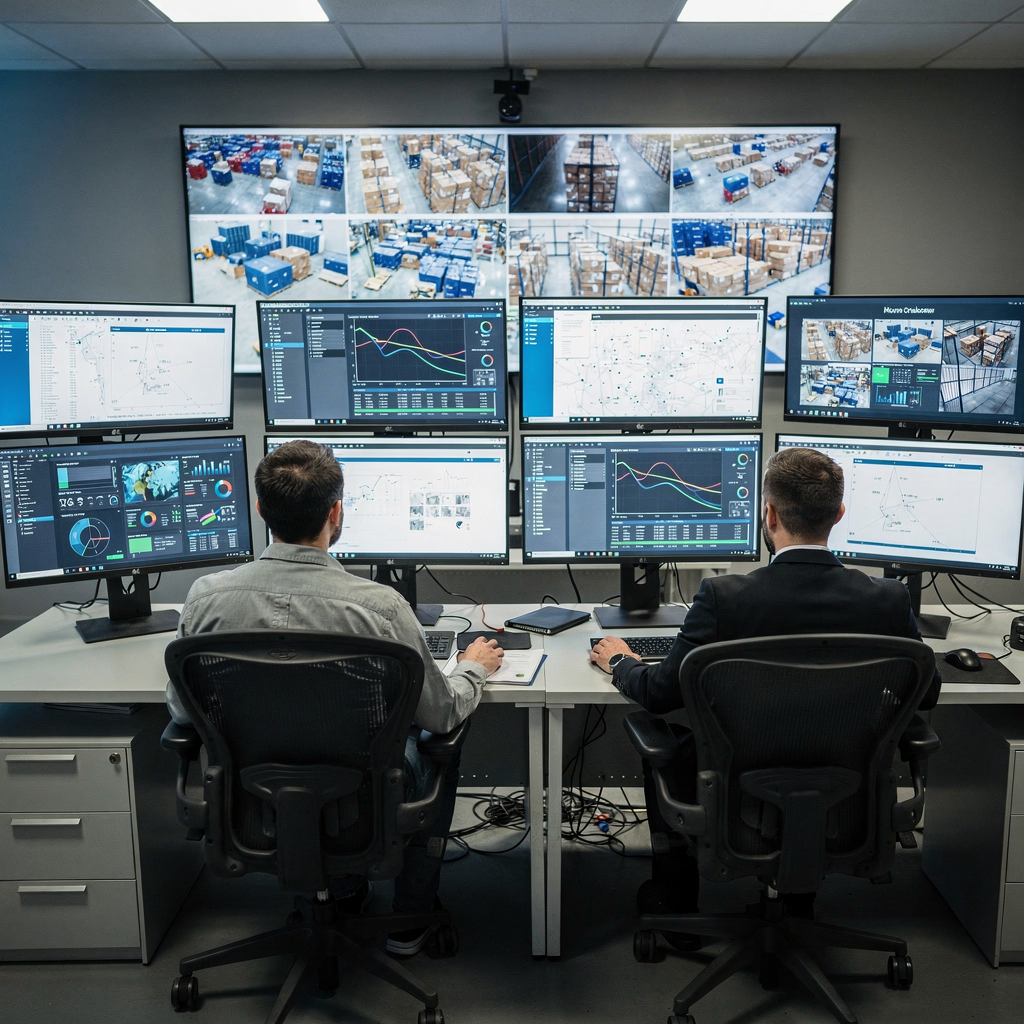
Intelligent AI Assistant for Genetec Security Center
Solution overview and architecture of Genetec Security Center This chapter presents a clear solution overview for organizations that need unified control. The GENETEC Security Center unifies video, access control, and LPR into a single interface. It can unify feeds from many camera types and access systems so teams get a comprehensive situational view. The platform […]
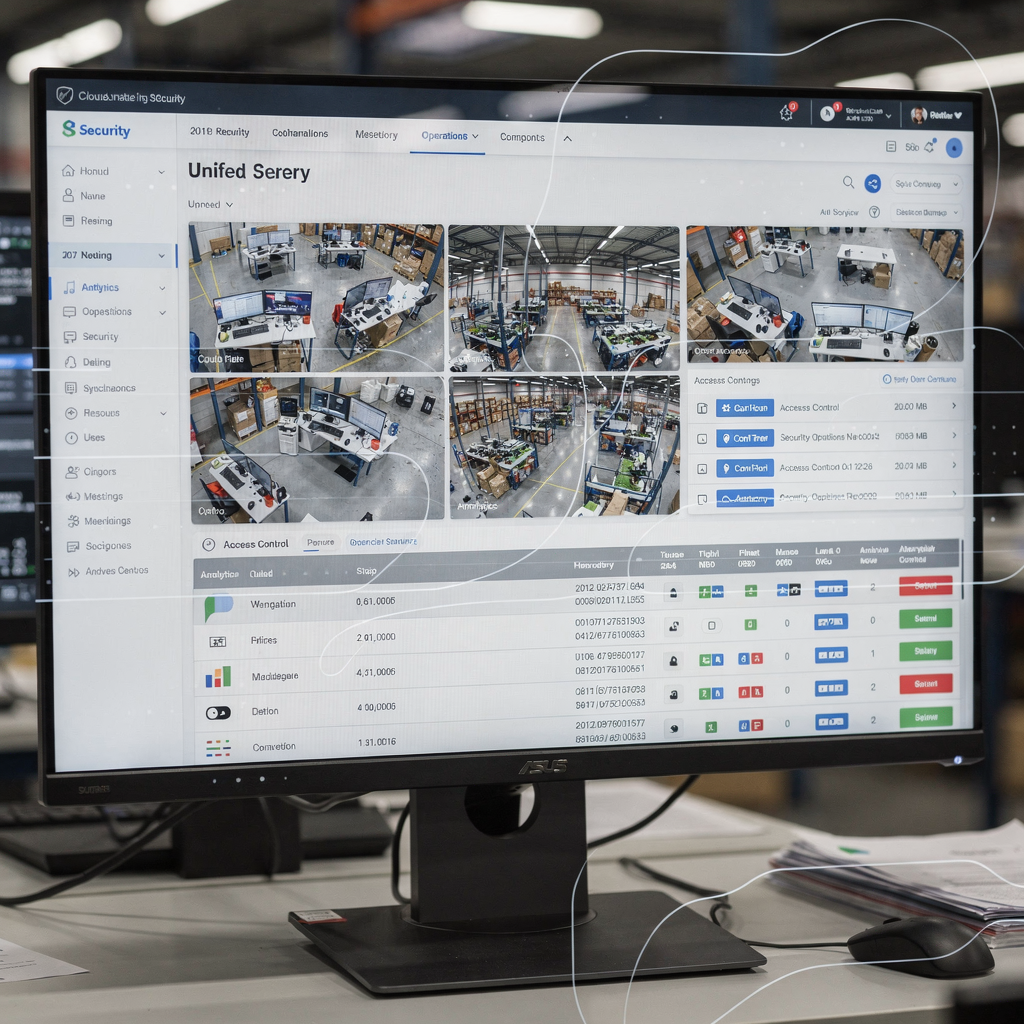
AI agents for Genetec Security Center SaaS
ai video and video analytics: Core Capabilities of Genetec AI Agents AI video and video analytics form the first line of defense in modern surveillance. First, AI agents ingest live camera feeds and convert pixels into structured event data. Then they apply object recognition, pose estimation, and behavior analysis to classify people, vehicles, and objects. […]
