ai video search in video surveillance: foundations and benefits
AI video search brings a new layer of intelligence to video surveillance. First, it converts raw video into searchable descriptions. Next, it lets operators query footage using natural language. For example, an operator can ask for “the person with a red jacket near the main entrance yesterday afternoon,” and the system will return matching clips. This capability reduces manual review and speeds investigations, so teams avoid hours of footage and focus on critical moments. In fact, research shows AI can reduce reviewing footage time by up to 70% IBM Research.
At the core, AI video search combines natural language processing, computer vision, and temporal reasoning. Natural language processing turns human phrases into structured queries. Computer vision detects people, objects, and actions inside video frames. Temporal reasoning aligns those detections to time windows so the system can quickly locate events of interest. Then dialogue management maintains context across follow-up questions. This stack lets operators instantly pinpoint specific clips instead of manually scrubbing through hours of footage. The result: faster investigation time and stronger situational awareness.
The market reflects demand. The global video surveillance market is projected to reach USD 86.3 billion by 2027, growing at a CAGR of 10.4% as companies add AI and conversational interfaces MarketsandMarkets. Therefore, organizations invest to transform legacy video systems into intelligent platforms. visionplatform.ai, for example, adds an on-prem Vision Language Model that turns video events into rich textual descriptions. As a result, operators can use natural language search to find incidents without knowing camera IDs, timestamps, or rule logic. This reduces the burden on security personnel, who no longer must treat footage as a needle in a haystack.
Finally, AI video search aligns with privacy and compliance when implemented on-premises. visionplatform.ai emphasizes keeping video and models inside the environment by default. This approach lowers data storage risks and supports regional rules like the EU AI Act. In practice, organizations gain both operational efficiency and stronger data control, so AI-enabled surveillance systems deliver value while respecting legal boundaries.
ai search to transform traditional video search processes
Traditional video search relies on timestamps, camera IDs, and manual review. Security personnel often start at a time and scrub forward, which proves slow and prone to human error. By contrast, AI search lets users describe incidents the way they remember them. For example, a query like “Show red-jacketed person near main entrance yesterday” returns clips across multiple cameras, so teams avoid manually scrubbing through hours of footage. This difference helps investigators quickly locate critical moments, identify and address a potential security breach, and save valuable time.
Conversational interfaces change how operators interact with video systems. A conversational AI understands follow-ups, clarifications, and temporal references. For instance, an operator might ask, “Who did that person meet with five minutes later?” The system can respond because it links detections into human-readable timelines. In practice, this conversational video capability reduces false leads and accelerates evidence collection. A recent survey found 65% of security professionals view conversational search as highly useful for investigations and monitoring Security Industry Association.
Unlike traditional video analytics, AI search reasons over camera networks and metadata. It recognizes objects, behaviors, and activities, and it ranks clips by relevance. Also, it supports natural language search so users need not learn complex query syntax. Then operators can refine results with filters such as object, face, or activity. This filter capability helps teams find events of interest across all cameras without opening countless playback windows. For readers who want to see focused examples, a forensic search workflow shows how airport operators locate incidents in complex environments forensic search in airports.
Finally, AI search improves operational efficiency and reduces investigation time. It lets operators focus on decisions, not on watching video. Consequently, security systems evolve from passive recorders to active decision support tools that help protect people and property.
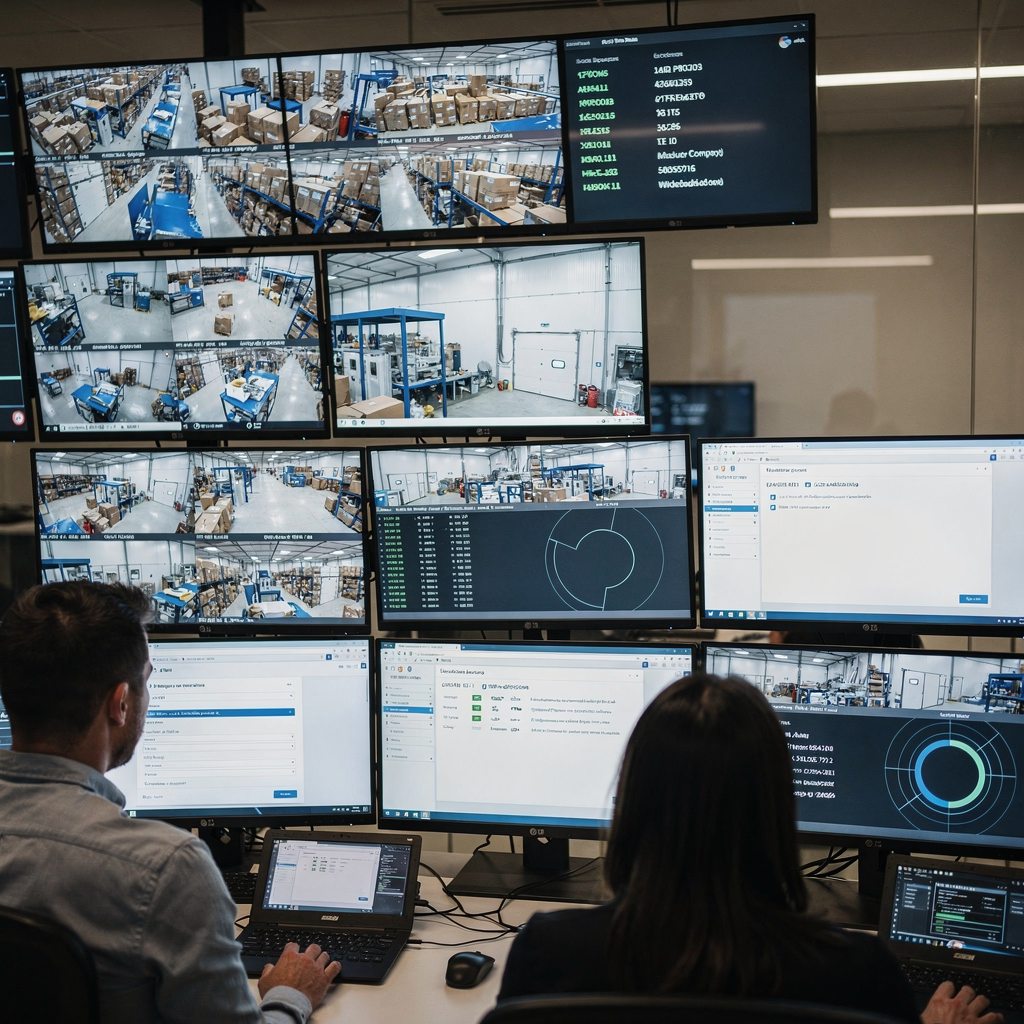
AI vision within minutes?
With our no-code platform you can just focus on your data, we’ll do the rest
smart search and generative ai aiding the security team
Smart search changes the daily workflow of a security team. First, it uses AI to index objects, faces, and behaviors in video footage. Then it exposes that index through a natural language interface so operators can ask questions and get precise clips. Smart search supports follow-up questions and query refinement. For example, an operator may start with “Person loitering near gate after hours” and then ask “Show only clips where they approach the fence.” The system refines results without starting a new search.
Generative AI plays a complementary role. It summarizes long clips, highlights critical frames, and drafts incident narratives. A generative AI-powered summary can compress ten minutes of video into a 30-second narrated timeline. Consequently, the security team reads a concise description and then views the exact snippets needed. This approach cuts manual video review and speeds reporting. In one study, AI-enhanced video analytics reduced reviewing footage time by up to 70% IBM Research, and generative summaries amplify that efficiency.
For retail security, this workflow proves practical. Imagine a theft investigation: staff report an incident and upload a brief description. Smart search locates matching video footage across multiple cameras. Then generative AI groups related clips and suggests timestamps for evidence files. The result: faster evidence collection, a clear timeline for loss prevention, and reduced pressure on security personnel. visionplatform.ai builds this flow by combining VLM descriptions and VP Agent Search so operators can quickly locate events without manual review. For a related capability, see how loitering detection aids situational awareness in busy terminals loitering detection in airports.
Finally, smart search supports actions. The system can pre-fill incident reports, create clips, and issue an alert to relevant teams. In short, smart search and generative AI enable security teams to work faster, with less friction, and with better decision support.
security intelligence and real-world applications across industries
Security intelligence uses AI to turn video data into actionable insights. First, it aggregates detections from multiple sources. Next, it correlates those detections with access logs, alarms, and other sensors. The result: explained situations instead of raw alerts. This shift helps law enforcement build evidence, helps smart cities monitor traffic and crowds, and helps workplaces analyze incidents and improve safety. For example, a municipal deployment that integrated AI with dispatch saw response times fall by about 30% in a pilot program, so resources arrived faster and outcomes improved.
Across industries, AI-enabled surveillance technology delivers measurable ROI. In retail, stores reduce shrink and shorten investigation time. In transportation hubs, operators manage crowd density and prevent choke points. In critical infrastructure, AI prioritizes genuine threats and reduces false positives. Security intelligence also supports compliance workflows by generating auditable descriptions and metadata. As a result, audits require less manual cross-checking, and legal teams get clearer records.
One clear use case lies in airports. Operators combine people detection, ANPR/LPR, and PPE detection into a single view. visionplatform.ai integrates these streams, and its VP Agent Reasoning correlates detections with VMS events to explain whether an alarm is valid. For more examples in airport contexts, learn about intrusion detection and perimeter analytics intrusion detection in airports and object left behind workflows object left behind detection in airports.
Finally, security intelligence raises operational efficiency. It reduces manual review, cuts investigation time, and helps teams identify anomalies before incidents escalate. Thus investments in intelligent video and AI search represent a shift toward proactive security and operational resilience across industries.
AI vision within minutes?
With our no-code platform you can just focus on your data, we’ll do the rest
filter, access control and video management in the security ecosystem
Effective video management relies on filters, access control, and integration with network video infrastructure. First, filter tools let operators narrow results by object, face, or activity. For example, filters can show all vehicle entries to a dock area or all people loitering in a restricted zone. This capability reduces the time spent scrubbing through footage and helps teams quickly locate events of interest. Next, access control integration ties video clips to badge events so operators can verify who accessed a door and when.
Centralized video management platforms use AI tags to index and retrieve clips. These tags travel with the metadata, so systems can present a timeline of relevant events across multiple cameras. March Networks and other VMS vendors pioneered integrations between analytics and recording systems, and modern platforms extend that work. For sites that cannot move video offsite, on-prem AI deployments let organizations keep control of data storage and processing. visionplatform.ai emphasizes on-prem processing to reduce cloud risk while enabling advanced AI and AI-driven workflows.
Integration also enables automated alerts and actions. When a filter finds a face that matches watchlist criteria, the system can trigger an alert, lock a door via access control, or notify a nearby security officer. This automation reduces response latency and supports consistent handling of incidents. At the same time, interoperability matters. Older camera fleets and legacy video systems require upgrades or protocol bridges to expose metadata. Operators should plan for phased rollouts that preserve existing investment while adding AI capabilities.
Finally, these capabilities strengthen the overall security ecosystem. By combining filters, centralized video management, and access control, teams gain a system that not only records but also reasons. This architecture helps identify anomalies, supports efficient incident workflows, and scales across all cameras while maintaining compliance and auditability.
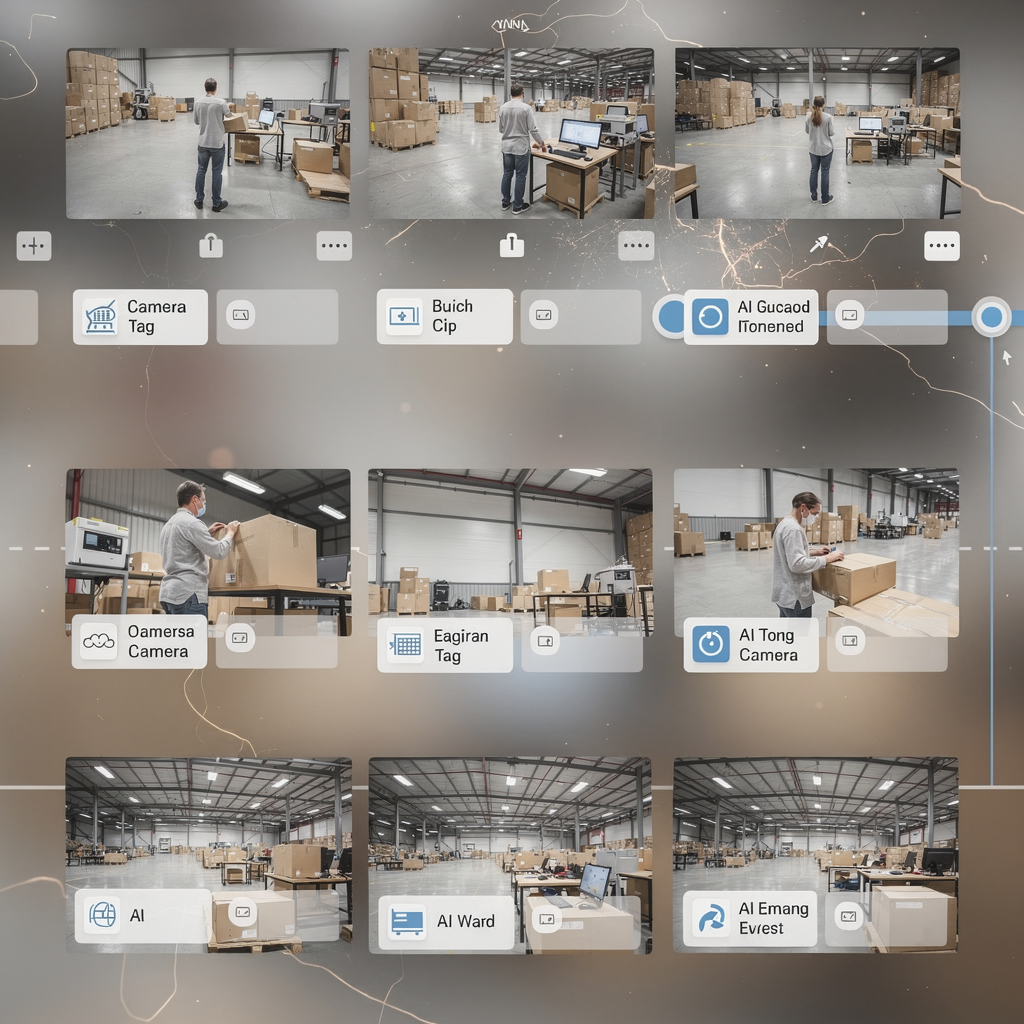
ai is transforming security and operations with video search
AI is transforming how organizations run security and operational workflows. First, conversational interfaces let operators ask questions using everyday phrases, using natural language and receiving precise results. Next, AI agents can recommend or execute actions, so teams move faster from detection to decision. For example, a VP Agent may verify alarms, generate a report, and notify stakeholders, so human operators focus on exceptions rather than routine tasks.
This shift improves situational awareness and speeds responses. AI-enabled systems instantly pinpoint relevant clips and provide context, so operators can see what matters and why. Also, predictive analytics point to patterns that precede incidents, enabling proactive measures. For instance, anomaly detection can flag repeated loiter behavior that may indicate a pending security incident. Let AI suggest where to look next, and operators gain leverage when incidents occur.
At the same time, organizations must balance innovation with privacy and compliance. On-prem solutions reduce risks associated with cloud video. They also simplify meeting regional rules such as EU privacy requirements. As AI-driven solutions mature, they should embed audit logs, transparent configurations, and explainable models. These features help maintain trust and support legal discovery. In short, AI not only enables security operations to scale but also improves the quality of decisions.
Finally, the future points to more autonomy and tighter integration with operations. Generative AI will continue to summarize and annotate footage, while smart agents will orchestrate cross-system responses. However, humans will remain central to oversight, policy setting, and contextual judgement. By combining advanced AI, clear governance, and robust video management, organizations can transform surveillance technology into a source of timely, actionable insights for both security and operational teams.
FAQ
What is AI video search and how does it differ from traditional video search?
AI video search converts video into searchable descriptions and indexes objects, people, and actions. Unlike traditional video search, which relies on timestamps and manual scrubbing, AI video search supports natural language search and can instantly pinpoint relevant clips.
How does natural language processing improve video investigations?
Natural language processing interprets operator queries and maps them to detections and timestamps. Therefore, investigators can describe events in plain speech and avoid learning complex query syntax, which reduces investigation time.
Can AI video search work with legacy CCTV and VMS platforms?
Yes. Many AI solutions integrate with existing VMS and network video systems through APIs and standard protocols. visionplatform.ai, for example, connects to Milestone and ONVIF-compatible cameras while keeping data on-prem.
How does generative AI help security teams?
Generative AI summarizes long clips, highlights critical moments, and drafts incident narratives. As a result, teams spend less time reviewing footage and produce clearer incident records for reporting and investigation.
What privacy measures should organizations take when deploying AI for surveillance?
Organizations should prefer on-prem processing, audit logs, and explainable models to limit data exposure. Also, align deployments with regional rules such as the EU AI Act to protect individuals and reduce compliance risk.
How do filters and access control integration improve response?
Filters let operators restrict results by object, face, or behavior so they find events faster. Access control integration ties video to badge events, which helps verify who accessed a location and when, speeding incident resolution.
Is conversational AI reliable for complex investigations?
Conversational AI can handle multi-step queries and follow-ups while maintaining context. However, accuracy depends on data quality and model training, so operators should verify results and use the AI as decision support rather than sole evidence.
What industries benefit most from AI video search?
Applications across industries include law enforcement, retail security, smart cities, and workplace safety. Each sector gains faster investigations, better situational awareness, and operational efficiency from intelligent video solutions.
How does AI reduce false alerts and operator fatigue?
AI agents correlate video analytics with other data sources to verify alarms before escalating them. Consequently, operators receive explained situations rather than raw alerts, which lowers cognitive load and reduces false positives.
Where can I learn more about forensic search and specific airport analytics?
Forensic search workflows and airport-specific analytics are available through resources such as visionplatform.ai’s forensic search and loitering detection pages. These pages explain practical implementations and show how AI assists control room operations.