Real-time AI fall detection technology in hazardous warehouse environment
Real-time AI systems for detecting falls combine vision, wearables, and floor-based inputs to protect people in a fast-moving warehouse environment. These systems use cameras and edge compute to WATCH movement, and they use wearables for redundancy. For example, a camera stream can feed an AI model that analyzes posture, motion vectors, and sudden collapse signatures to detect a fall within seconds and trigger an alert. At the same time, a pendant or vest with wearable devices can confirm immobile status so an automatic emergency call follows an incident. This multi-modal approach helps identify high-risk zones such as elevated platforms and high-traffic aisles, and it reduces the chance that a fall will go unnoticed.
Statistics underline the need for improved systems: slips, trips, and falls accounted for 865 workplace fatalities in 2022, a stark reminder of injuries and fatalities on industrial sites reported by industry sources. Meanwhile, research into sensor-driven detection systems shows that facilities that adopt these tools see measurable reductions in accidents and severe injury rates after deployment. In practice, real-time detection reduces response times and improves outcomes because an instant alarm lets responders intervene quickly, enabling immediate intervention.
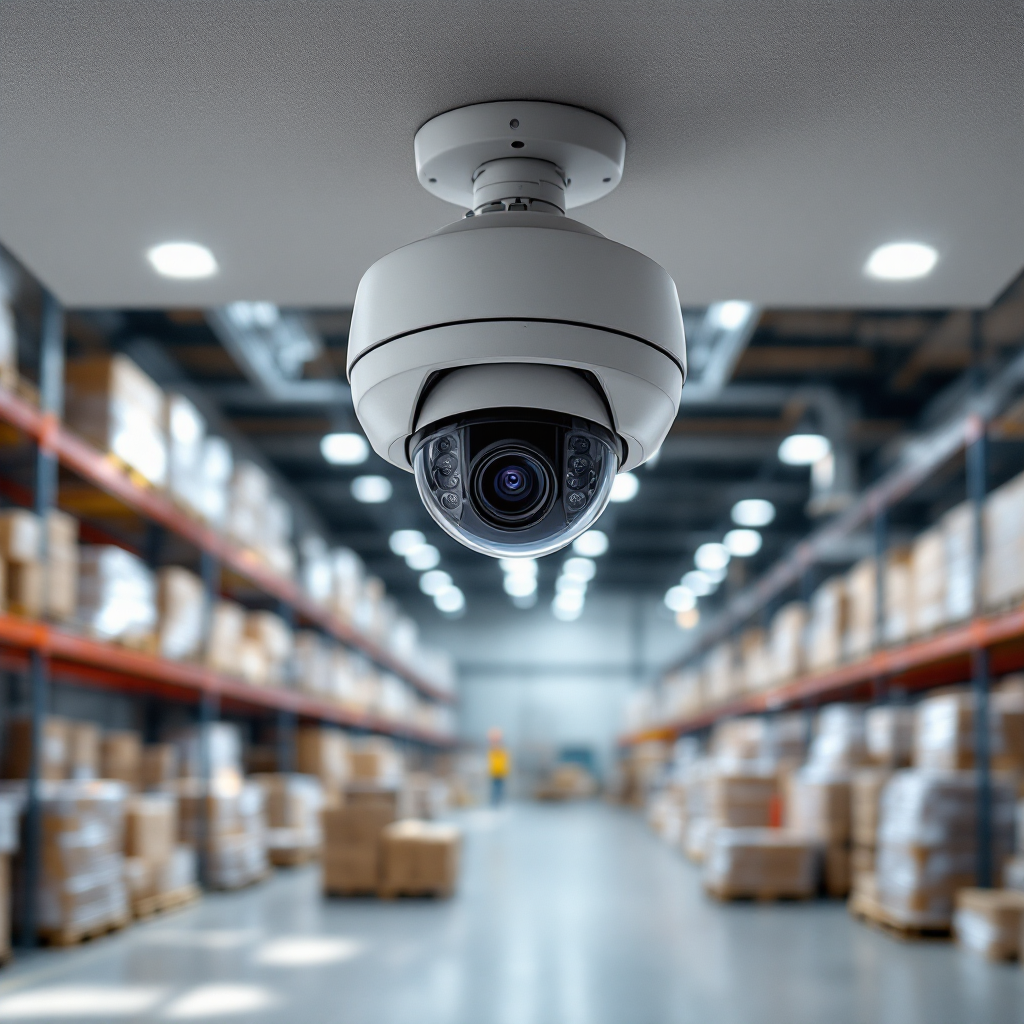
Key sensor types include vision cameras that analyze human posture and movement, pressure mats and floor-based sensor arrays that register sudden impacts, and wearable devices or pendants that monitor motion and orientation. A camera paired with a local AI algorithm can FILTER streams on the edge to avoid sending raw footage off-site, which helps with privacy and compliance. Visionplatform.ai, for instance, converts existing CCTV into an operational platform so businesses can reuse their VMS streams for fall-detection without vendor lock-in and while keeping data on-premise.
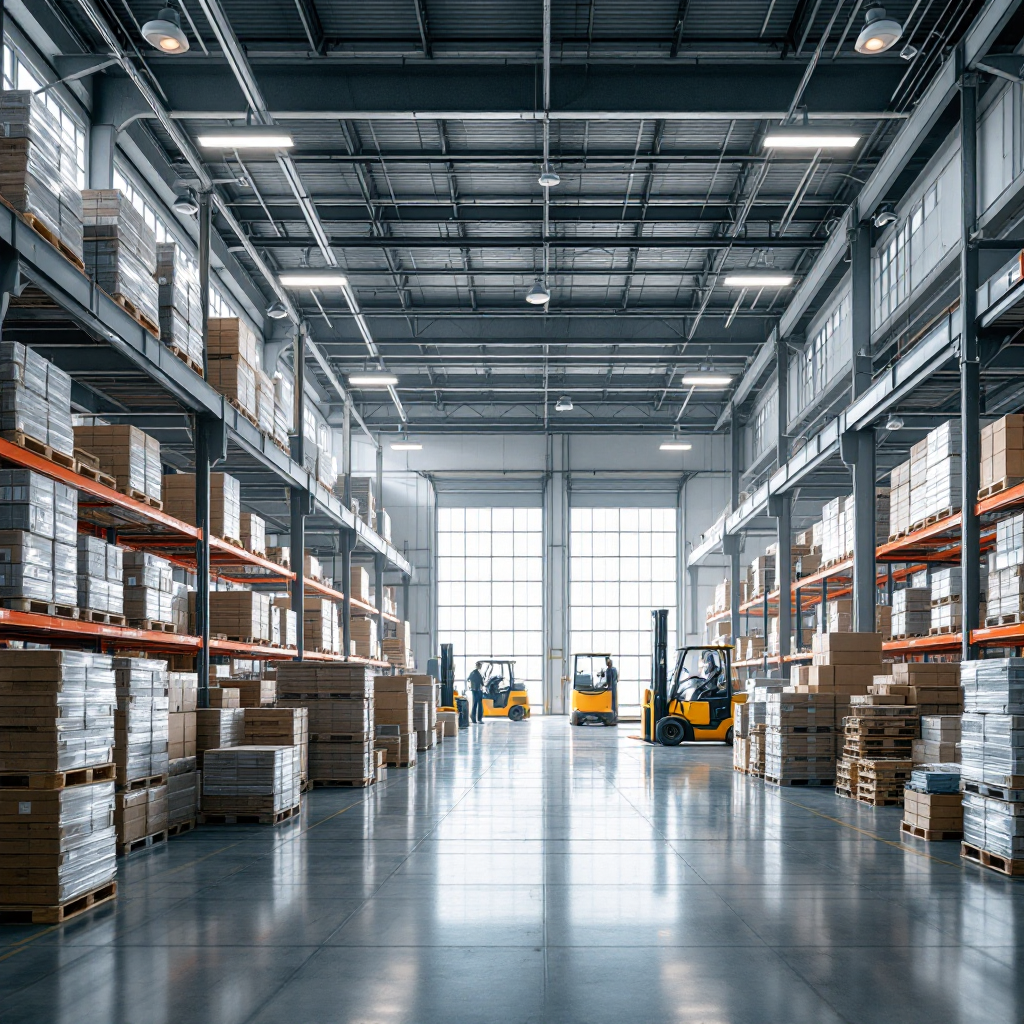
Because warehouses often mix forklifts, ladders, and stacked inventory, trip hazards and unstable shelving raise the overall risk. An effective detection solution therefore blends analytics and practical deployment: place floor sensors near elevated work zones, fit high-risk staff with wearables, and let vision models analyze gait and abnormal motion. This layered strategy improves accuracy and lowers false alarms while it supports operational continuity and personal safety.
Ensuring worker personal safety and compliance with AI fall detection
AI-driven fall detection supports personal safety and helps organizations meet regulatory compliance by providing documented alerts and auditable logs. First, systems must align with safety protocols and reporting requirements so that incident records, timestamps, and video snapshots are available for review. Second, AI safety features such as on-prem processing and transparent models support GDPR and emerging EU AI Act expectations. Visionplatform.ai’s platform, for example, emphasizes on-prem deployment and auditable event logs to help ensure compliance while still allowing operational use of camera data.
Immediate alerts are crucial because they reduce injury severity by shortening the interval between an accident and a responder’s arrival. When an alert is generated, an alert is sent to supervisors and emergency teams, and the swift response can prevent complications such as prolonged immobilization or secondary injuries. In some setups, the alert includes location coordinates, video frames, and wearable telemetry so responders know which zone and which worker needs help. This combined data also helps safety managers analyze root causes and update safety protocols.
To comply with regulations and industry standards, companies should document integration steps, run validation tests, and maintain model-change records. Practical strategies include running pilots in selected aisles, calibrating models for local lighting and camera positions, and integrating alerts with workflows in the same way as fire or medical alarms. For example, a pilot might pair a camera model that detect falls with a wearable pendant for redundancy, then measure false alarms and intervention times. That test helps identify high-risk areas and refine rules without disrupting daily work.
Finally, strong governance around model updates and data ownership reduces legal exposure. By keeping training data local and allowing site-specific retraining, businesses both improve detection accuracy and demonstrate due diligence. These actions make the workplace safer and build trust among staff who value knowing that help will arrive quickly if a sudden collapse occurs.
AI vision within minutes?
With our no-code platform you can just focus on your data, we’ll do the rest
AI-driven alert and prevention systems in warehouse logistics
Mechanisms that generate an alert vary by system, but most combine event detection with a notification workflow that reaches supervisors, safety officers, and emergency responders. A camera or sensor flags an abnormal motion, then an AI algorithm confirms whether the pattern matches a fall signature or an unstable posture. If it meets the threshold, a real-time alert goes out via SMS, mobile push, or integration into a security dashboard. The alert is sent along with video snapshots and location data so teams can decide how to act.
A practical case shows how rapid intervention saves time and cost. In a logistics distribution centre, a slip on a loading dock triggered a real-time alerts workflow that routed video to a supervisor and dispatched a medical team. The swift response reduced downtime and limited the severity of the injury, and the incident was logged for training and prevention. As a rule, combining vision with wearables and floor sensors reduces dependency on any single input, lowering false alarms and improving confidence in notifications.
Detection systems also enable prevention by collecting structured event data that operations teams can analyze to reduce trip hazards and redesign workflows. For example, analytics might reveal that a specific aisle sees frequent unstable stacks or that wet floors cause more slips after cleaning cycles. These insights let managers change layout, schedule tasks differently, or add signage and PPE checks. The result is fewer accidents, lower healthcare costs, and a measurable improvement in labour flow.
In logistics, the balance between safety and throughput is critical. A platform that streams events to warehouse management systems and dashboards helps maintain that balance by turning cameras into sensors that inform both security and operational teams. Integrating fall-detection alerts with dispatch and first-aid protocols creates a smoother response and a safer workplace.
Enhancing logistics operations with AI fall detection technology
Workflow optimisation follows when organisations use incident data to redesign processes. For example, after several alerts in a picking zone, a manager may reroute traffic, adjust shelf heights, or schedule heavier lifts during quieter shifts. These changes reduce risk and help ensure that workers do not operate in high-risk conditions. Data also allows teams to identify high-risk roles and offer targeted training or PPE such as helmets and high-visibility vests.
Sensor analytics play a central role: cameras, wearables, and floor sensors collectively stream structured events to analytics platforms, which then analyze frequency, location, and context. Trends in those metrics help safety teams prioritize interventions and refine layout to reduce trip hazards. With regular reviews, companies can proactively prevent accidents rather than only reacting after a serious injury.
Return on investment becomes clear when you calculate reduced lost workdays, fewer emergency claims, and less downtime. Studies in healthcare show that facilities that deploy sensors and analytics experience measurable declines in falls; by analogy, logistics operations can expect similar savings when they adopt site-specific detection solutions based on large datasets. Furthermore, a case study in retail noted that “Real-time fall detection gives stores the fastest path to intervention,” a point that translates directly to distribution centres and warehouses when applied to busy aisles.
Platforms that let you reuse existing CCTV and your VMS make adoption faster and cheaper. For instance, Visionplatform.ai converts cameras into sensors, so teams can operate detection on-prem, improve models on-site, and stream events to business systems for KPI use. That integration supports a holistic view of safety and optimisation, which makes operations both safer and more efficient.
AI vision within minutes?
With our no-code platform you can just focus on your data, we’ll do the rest
Transforming hazardous warehouse environment to ensure worker well-being
Continuous monitoring changes organisational culture. Workers feel safer knowing that fall-detection tools and immediate alerts exist, and that help can arrive for a sudden collapse. That psychological benefit improves morale and reduces stress, both of which contribute to better performance. In turn, fewer accidents mean less time spent on paperwork, medical claims, and investigations.
High-traffic zones such as loading docks and mezzanine areas require extra attention. Cameras that detect unstable lifts and wearables that register abnormal motion can identify early signs of fatigue or unsafe posture before a fall occurs. By focusing on prevention and education, managers reduce the number of serious injuries and create a safer environment for everyone. Effective safety measures include training on ladder use, enforced helmet and vest policies, and scheduled rest breaks for at-risk staff.
AI also supports tailored interventions. With pattern analysis, teams can identify high-risk tasks and redesign them to lower the chance of an accident. For example, if analytics show repeated triggers around a particular pallet type, operations can change stacking procedures to stabilize loads. Over time, these small changes transform hazardous zones into safer areas and reduce the chance of complications after an event.
Finally, the combined capability of vision analytics and wearables ensures that immobile workers are discovered quickly and that an emergency response is initiated. Knowing that help will be nearby and that systems can call for help using integrated workflows gives workers confidence. As organisations adopt these tools, they not only lower physical risk but also foster a culture that values well-being and proactive safety.
Compliance and prevention: real-time AI fall detection alerts to ensure warehouse safety
Aligning fall detection systems with industry frameworks requires documented evidence of performance, auditable logs, and transparent algorithms. Companies should run controlled validation tests, log outcomes, and keep model-change records to demonstrate due diligence. This approach helps meet compliance and supports claims handling if an accident occurs. For data protection and AI governance, on-prem or edge processing and clear event streams help reduce legal exposure and support EU AI Act readiness.
Future developments will emphasize predictive analytics and automated prevention. Instead of merely detecting a fall, systems will analyze gait and behaviour to identify deteriorating balance and proactively notify supervisors to intervene. Predictive models that detect abnormal motion or unstable stacking could trigger preventive actions before an accident. This proactive stance supports prevention and improves response quality.
Over the long term, benefits include reduced liability, fewer injuries and fatalities, and better operational continuity. Coupled with well-documented protocols and staff training, AI safety tools deliver a step-change in how companies manage hazardous operations. They also reduce the likelihood that a fall will go unnoticed in remote aisles and give safety teams the capability to intervene rapidly, which reduces the risk of severe complication.
Adopting these detection systems should follow best practices: start with pilots, integrate with emergency workflows, and tune models for local conditions. With the right platform, organisations can transform CCTV into an active safety sensor network, enhance worker protection, and create an environment where daily life at work is safer and more predictable.
FAQ
How does AI detect falls in a busy warehouse?
AI detects falls by analyzing video and sensor data for sudden changes in posture, motion, or orientation. It combines signals from cameras, wearables, and floor sensors to reduce false alarms and confirm when a worker becomes immobile.
Can existing CCTV be used for fall detection?
Yes, many solutions convert existing CCTV into an operational sensor network so you can reuse your VMS footage for detection rather than installing a new camera system. This helps lower costs and speeds deployment while supporting on-prem processing for privacy.
What happens when a fall is detected?
When the system identifies a likely fall, a real-time alert is sent to supervisors and emergency contacts, often with video snapshots and location info for a swift response. In some setups, the system also triggers an automatic emergency call if wearable data confirms immobility.
Do wearables improve detection accuracy?
Wearables add a redundancy layer by reporting orientation and motion directly from the worker, which helps confirm a fall and reduces false alarms. Devices like pendants or vests can signal immobility and enable faster, targeted assistance.
Will fall detection help with regulatory compliance?
Yes, documented alerts, auditable logs, and validated models help demonstrate compliance with safety protocols and emerging AI rules. On-prem deployments and transparent configuration make it easier to satisfy data protection and reporting requirements.
How can fall detection reduce operational costs?
By reducing serious injuries and lost workdays, detection systems lower healthcare and compensation costs and minimize downtime. Analytics also guide layout and process changes that prevent repeat incidents and improve throughput.
Are false alarms a major issue?
False alarms can occur, but combining vision with wearables and floor sensors significantly reduces them. Site-specific model tuning and filtering rules further limit unnecessary alerts to only those that require action.
Is predictive prevention possible with AI?
Yes, predictive analytics can analyze gait and behaviour over time to identify workers or tasks that are becoming high-risk and prompt preventive measures. This proactive capability moves safety from reactive to preventive.
How fast is the response after detection?
Response speed depends on integrations and local workflows, but many systems deliver an instant alert and location details so responders can intervene quickly. Faster responses reduce the chance of complication and long-term injury.
How do I start a pilot for fall detection?
Begin with a small pilot in known high-risk areas using existing cameras and a wearable trial; measure false alarms and response times, then iterate. Work with a platform that supports on-prem models and streams events to your security and operations tools for full integration.