forensic search software: unify video surveillance streams
Modern forensic systems must unify fragmented feeds, and they must do so quickly. Many sites run multiple camera vendors, and each camera stream comes in different formats. Forensic teams face siloed camera networks, incompatible VMS, and isolated logs that slow an investigation. A unified approach centralizes video streams, and it centralize metadata for consistent handling. This helps investigators quickly locate evidence and to export clips for court. Forensic tools should centralize access while keeping strict access control so chains of custody stay intact.
Software architecture that unifies feeds relies on open standards, and it must be compatible with ONVIF and RTSP cameras. A central server ingests recorded video, then converts and indexes frames into searchable records. Visionplatform.ai designs an on-prem approach so video and models stay inside the environment, and it helps enable secure, auditable handling. The platform can generate metadata for each clip while preserving a clear log for audit, so a court-ready trail exists for each export.
Real-time unification requires scalable hardware and tight VMS integration, and it must handle hours of video without lag. Operators need an intuitive platform to draw a search area and to save criteria. An operator can save an area of interest, and then run that criterion across multiple cameras. Forensic search workflows often include thumbnail previews, timeline scrubbers, and the ability to refine results with search filters. These features reduce time per query and improve retrieval, so investigators spend less time finding video and more time on analysis.
Finally, a unified system must also support partner integrations like Arcules or Axis modules so third-party analytics plug in easily. Use of an open platform increases interoperability, and it lowers vendor lock-in while preserving ease of use for business operations and forensics. For best practice, ensure chain-of-custody controls, secure export tools, and clear user roles for access control.
forensic video analysis with ai integration for scalable filter
AI brings a new capability to forensic workflows, and it scales analysis across vast archives. AI-powered forensic tools detect objects and events in real time, then annotate video with textual descriptions. With an on-prem Vision Language Model, systems can convert footage into human-readable summaries that enable natural language queries. This approach helps investigators rapidly refine search filters and to identify suspicious activity without manual review of hours of video.
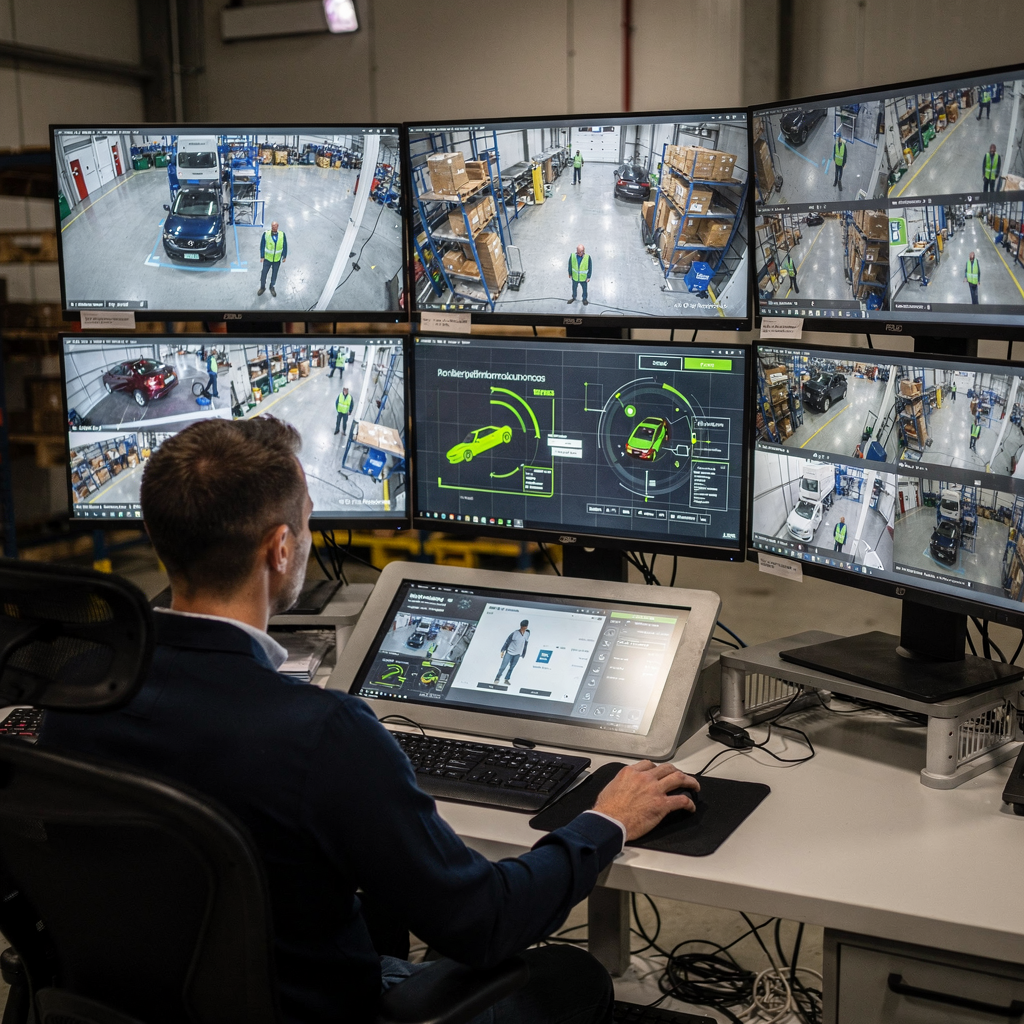
Deep learning and machine learning models underpin modern detection and classification. According to a 2023 review, “Deep learning methods have significantly improved the detection accuracy of forged videos” which underscores the role of advanced models in forensic video analysis (Forged Video Detection Using Deep Learning: A SLR – 2023). AI modules support granular filter settings that isolate relevant clips by time, by object, or by behavior. For example, a user can set a filter to find a specific object, then refine by color, size, or direction. These filters make it straightforward to search across multiple cameras and to swiftly identify matches.
Scalable indexing turns every frame into searchable entries, and it allows rapid retrieval across distributed archives. Indexing creates metadata for faces, vehicle makes, and movement patterns so a query returns ranked search results. Visionplatform.ai’s VP Agent Search converts video into searchable descriptions, and then an investigator can run free-text queries like “person loitering near gate after hours” to quickly locate incidents. Cloud-based and on-prem options exist, but many organizations choose on-prem to comply with privacy and EU AI Act requirements (Big data and AI-driven evidence analysis).
AI vision within minutes?
With our no-code platform you can just focus on your data, we’ll do the rest
enhancing search results: granular detection of people or vehicles
Precision matters in forensic work, and systems must balance precision and recall. Customisable search parameters make it possible to focus on people or vehicles with high accuracy. A good forensic solution lets an operator set attributes like clothing color, vehicle type, and direction of travel. These attributes narrow results and reduce false positives, while allowing a wider recall if needed. Precision and recall metrics should be visible so teams can tune models for the site.
Tools that detect people and vehicles provide confidence scores and bounding boxes, and they attach metadata for every match. This metadata includes camera ID, timestamp, and motion vectors so the investigator can build a timeline of events. Forensic video solutions should let users export thumbnails, create clips, and to assemble a timeline for court. Case examples show this in practice: investigators can track suspects across linked lots, or follow a stolen vehicle across intersections using ANPR hits and cross-camera matches.
When tracking people or vehicles, integrations with axis and ANPR systems add decisive evidence. In fact, Interpol notes the growing reliance on video evidence in criminal work and the need for standardized digital forensic processes (Interpol review of digital evidence for 2019–2022). Forensic search tools should also provide a clear operator interface that lets an investigator refine queries, to quickly locate key clips. Granular detection reduces review time, and it enables focused follow-up, which helps close cases faster and with stronger evidence.
license plate recognition and area of interest: milestone vehicle investigation
Automated license plate recognition is a milestone capability for vehicle investigations. LPR workflows capture plates, match them to watchlists, and then trigger alerts that an operator can verify. A typical flow logs the plate, creates a thumbnail, and attaches it to a timeline entry. That timeline then becomes the backbone of a vehicle investigation, linking surveillance clips, ANPR hits, and recorded video into one view.
Defining and saving an area of interest speeds repeat queries. Drawing a search area on a camera view allows the system to focus processing on the lane or exit, and it reduces compute while improving relevance. An investigator can save areas of interest for gates, docks, and perimeter roads, then run a criterion across multiple cameras to centralize results. Milestone VMS integrations and Milestone agent workflows often appear in larger installations where video management and analytics must work together.
Milestone and similar platforms offer timeline reconstruction so teams can follow a vehicle from entry to exit. For license plate recognition, ensure that cameras are positioned and calibrated for plate capture, and that the system can handle varied lighting. Visionplatform.ai supports ANPR/LPR analytics and can integrate with Milestone to enable fully on-prem workflows. Use of Milestone also helps meet audit requirements, because every detection, every log entry, and every export can be recorded securely, preserving chain-of-custody and ensuring clips remain admissible.
AI vision within minutes?
With our no-code platform you can just focus on your data, we’ll do the rest
partner integrations and genetec unify for secure investigation
Partner integrations extend capability, and they let teams combine best-of-breed modules for specific tasks. Open integration supports third-party analytics, so you can plug in specialised models for PPE, intrusion, or vehicle classification. For example, Arcules connectors or vendor APIs let systems stream events into a central platform. This flexible approach reduces vendor lock-in and increases compatibility with existing infrastructure.
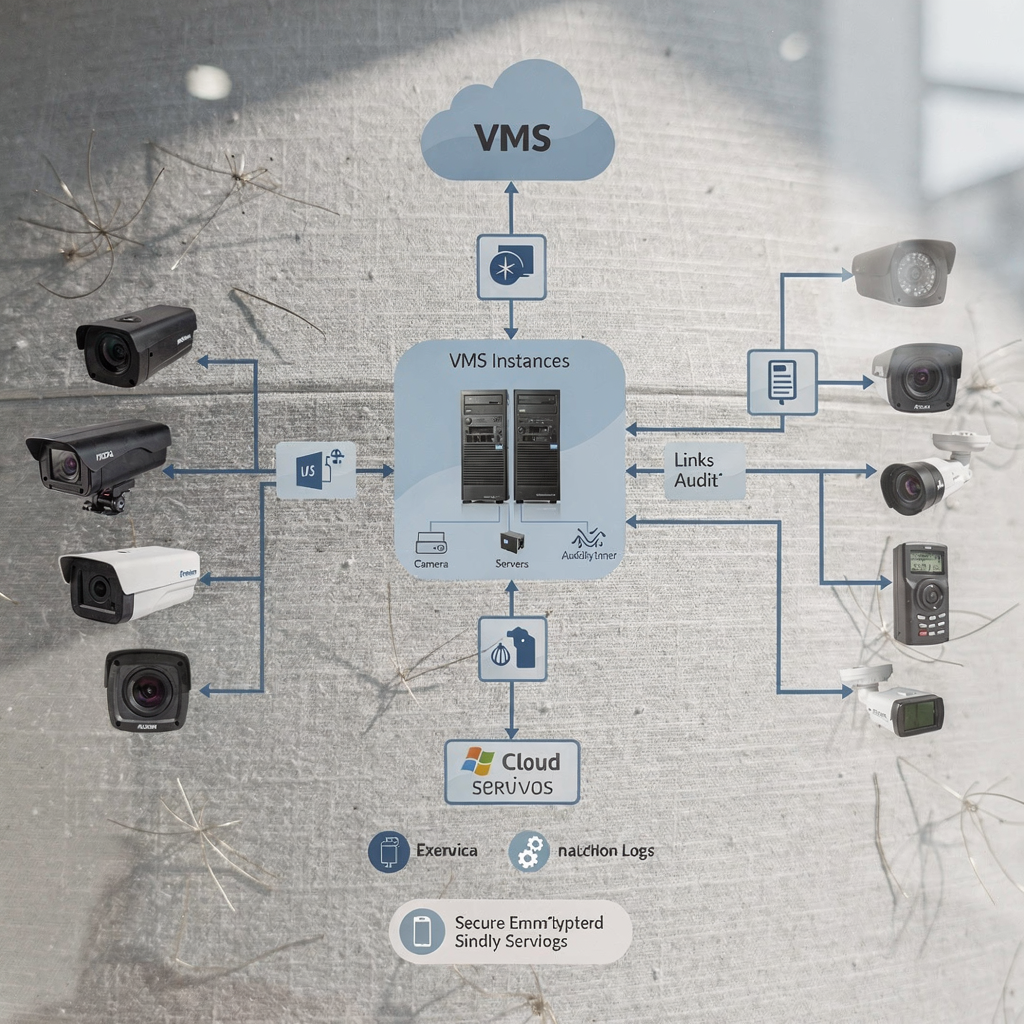
Genetec Unify modules centralize management and reduce fragmentation. When you integrate Unify with an AI layer, you centralize alerts, and you enable richer context for each event. Data encryption and strict access control ensure that video evidence and metadata remain secure. The DOJ has highlighted the importance of standardized controls and oversight when AI assists in criminal processes (DOJ Report on AI in Criminal Justice), which makes secure integrations essential.
Use of an open platform helps with compatibility and future upgrades. Forensic teams often require export options that maintain evidentiary integrity, so an integration must retain the original recording and an audit log. Partner integrations also enable advanced video analytics, and they expand capability to detect specific object classes, people and vehicles, and suspicious behaviors. Finally, ensure every integration supports encrypting data at rest and in transit so chains of custody remain intact and evidence is handled securely.
speed up investigations: scalable forensic video search
To speed up investigations, systems must index fast and search faster. Parallel processing and GPU servers enable concurrent analysis of many streams, and distributed architectures avoid single points of failure. Cloud-based scaling helps for transient surges, but on-prem servers provide control and compliance. A hybrid approach gives elasticity while keeping sensitive footage local when required.
Parallel pipelines can transcode, index, and apply detection models simultaneously so results appear in near real time. That approach reduces time-to-insight and helps investigators act on live findings rather than waiting hours. Visionplatform.ai’s VP Agent suite is built to enable AI agents to reason over events and to provide decision support, which can substantially speed up forensic investigations. AI agents can verify alarms, pre-fill incident reports, and recommend actions which together speed up investigations and reduce operator load.
Looking forward, deep learning and better model generalisation will enhance search quality. A 2024 study notes that AI-driven evidence analysis uncovers patterns across large datasets, which improves case outcomes (Big data and AI-driven evidence analysis). To refine workflows, teams should measure performance with clear metrics, keep models updated with local data, and maintain a strong audit trail. This combination of scalable indexing, integrated AI, and secure operations will continue to refine how swiftly investigators can retrieve footage, to reconstruct timelines, and to close cases with confidence.
FAQ
What is forensic video search software?
Forensic video search software is a toolset that helps investigators find and analyze video evidence. It centralizes video streams, indexes metadata, and provides search filters to quickly locate relevant clips.
How does AI improve forensic video analysis?
AI automates object detection, classification, and natural language tagging of clips. This reduces manual review time and enables investigators to run free-text queries across indexed footage.
Can systems integrate with existing VMS platforms?
Yes, modern platforms support integrations with leading VMS solutions, including Milestone and Genetec. These integrations preserve recordings and add searchable metadata while keeping chains of custody intact.
What role does license plate recognition play?
License plate recognition automates the capture and matching of plates, which is crucial for vehicle investigations. LPR results feed timelines and watchlists to help track vehicles across multiple scenes.
Are cloud-based solutions necessary?
Cloud-based options offer elastic scalability for peak loads, but many organizations prefer on-prem deployments for compliance and data control. Hybrid models balance scalability with secure local recording.
How do I ensure evidence remains admissible?
Maintain an audit log, preserve original recordings, and use access control and encryption to protect footage. Proper export tools and documented chain-of-custody procedures are essential.
What is the difference between detection and recognition?
Detection finds an object in a frame, while recognition classifies or identifies that object, such as matching a face or reading a plate. Both steps often appear in the same forensic pipeline.
How can I speed up a time-sensitive investigation?
Use parallel processing, indexed metadata, and AI-powered search to reduce review time. Predefined areas of interest and saved filters let investigators quickly narrow results.
Do integrations support third-party analytics?
Yes, open platforms allow third-party analytics to plug in for specialized tasks like PPE detection or vehicle classification. This flexibility lowers vendor lock-in and improves capability.
Where can I learn more about forensic search in airports?
See targeted resources such as the forensic search in airports page for airport-focused use cases and integrations. For related analytics, check pages on people detection and ANPR/LPR in airports.