Avigilon appearance search: Revolutionising forensic investigations
Avigilon has developed a self-learning video analytics tool that finds people or objects across hours of video. It uses self-learning video analytics and deep-learning models to index visual traits so operators can locate a person or vehicle of interest quickly. For teams tasked with forensic investigations this is essential. When manual review once took hours or days, the system can reduce that time by up to 90% according to industry reporting. Teams save labour and can chase leads while they remain fresh.
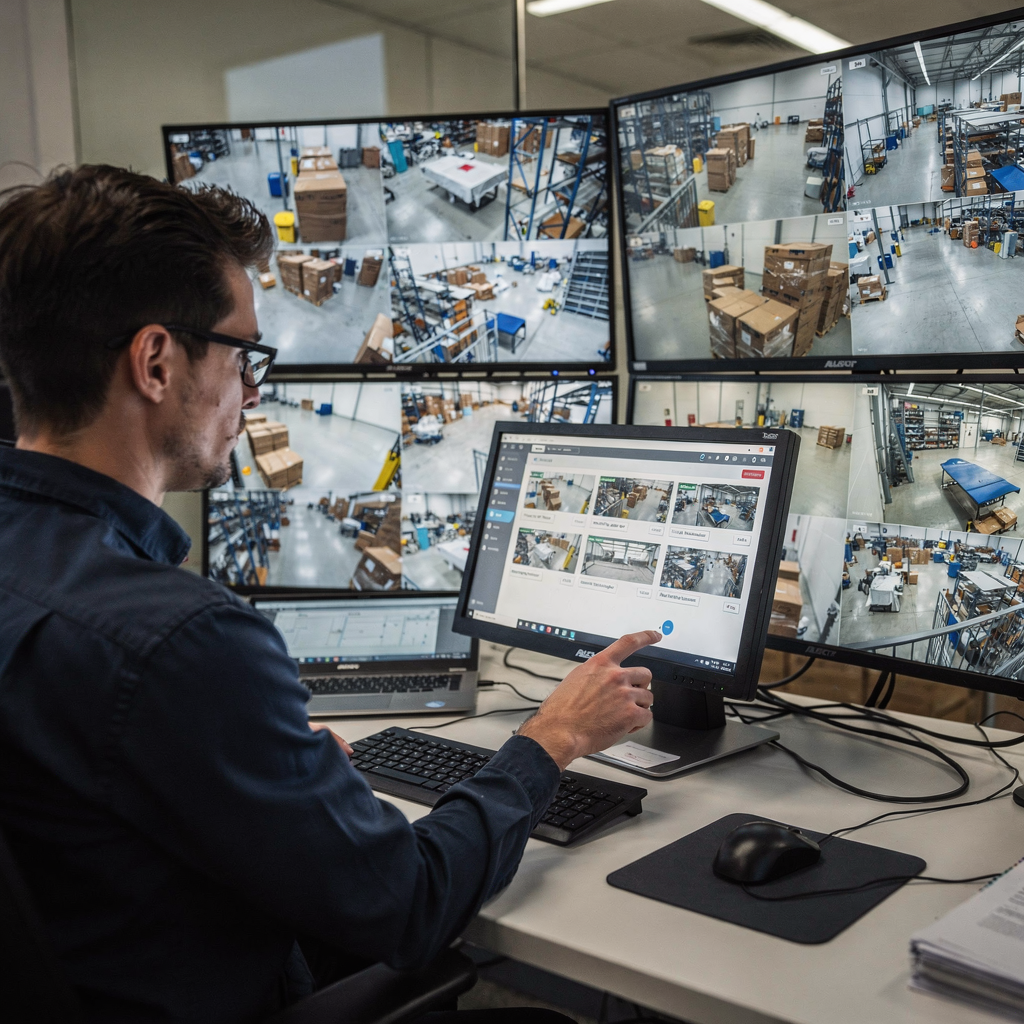
The core idea is simple and practical. Cameras and network video recorders stream recorded video to a central platform, then the software analyses that video automatically. The analysis indexes characteristic features such as clothing color, hair color, and general gender, and it stores those attributes alongside timestamps. Search becomes a matter of entering physical descriptions rather than scrolling through footage. The operator can initiate a search using a photo or a written cue and then review a timeline of events. This shifts work from manual scan to rapid triage, which improves incident response and reduces the cognitive load on control room staff.
The tool integrates with existing systems and can capture metadata from multiple video sources. It supports Avigilon cameras as well as third-party camera streams, and it can export clips or bookmark hits for later review. For teams that require documentation and robust video evidence the platform helps create a clear narrative of events that can be handed to investigators. The solution is used under license in many deployments worldwide, and users can consult avigilon documentation for deployment specifics on the vendor site. Our own work at visionplatform.ai complements these capabilities by turning indexed video into human-readable descriptions so operators can search with natural language and receive decision support.
AI-powered search: Enhancing forensic investigations with Avigilon
AI powers the modern search experience and it is embedded across Avigilon’s toolset. The system applies artificial intelligence and deep learning to detect objects and actions. Algorithms rank likely matches and then present results sorted by relevance. This makes it easier to find the footage to find and to build a timeline of events fast. In field tests and case studies, accuracy in object and event recognition often exceeds 95% in comparable deployments. The high accuracy reduces false positives and lets operators focus on true leads.
Search is driven by an ai search engine that compares visual characteristics from the query to indexed frames. It uses advanced feature embeddings generated by deep-learning networks. As a result, an operator can search for a person wearing a red jacket or for a specific vehicle type. The system will return hits from hours of footage and will show a concise timeline of events. This supports faster decision making and clearer evidence chains for investigative teams. The platform also links detections to timestamps and retains clips for export when required by law enforcement.
Because the approach is model-driven, it adapts to evolving sites. Models can be fine-tuned to local lighting, camera placement, and scene characteristics. This keeps recognition robust across weather and shift changes. The technology excels at distinguishing similar objects, such as two vehicle makes or two individuals in similar uniforms. When operators to search, they receive ranked matches, thumbnails, and direct jump points into the recorded video. This streamlines review and creates a searchable archive that helps investigators prove a narrative of events. For more on camera-level analytics and license plate work see Avigilon’s LPR guidance on license plate reader cameras.
AI vision within minutes?
With our no-code platform you can just focus on your data, we’ll do the rest
Platform integration: Improve incident response and response times
Integration matters in live operations. Avigilon links live monitoring to retrospective forensic search so teams move from detection to action. The system is integrated with avigilon control center and its modules, which lets operators cue a live camera from a historical match. That single workflow reduces handoffs and shortens response times. When a match appears, an operator can jump to a live feed, notify patrol, and attach timestamps to an incident report.
The unified platform approach supports both live and archived content in one place. It connects Avigilon Alta and Unity deployments and ties analytics to the VMS. This simplifies workflows for supervisors and first responders. For airports and transport hubs, the platform links to zone maps and access points so teams can see a last-known location on a schematic. For other sites, it adds context such as gate numbers, dock bays, or registered vehicle types. If you need practical examples, our airport-focused pages explain how people-focused analytics and ANPR combine to speed response: see people detection in airports and anpr-lpr in airports for more detail people detection in airports ANPR/LPR in airports.
The platform reduces the time between detection and resolution. It allows an operator to bookmark a clip and export evidence while continuing to monitor live events. Integration with network video recorders and AV systems means teams can record, review, and package robust video evidence quickly. This improves chain-of-custody practices and supports legal and regulatory needs. In short, integrated systems turn raw alerts into coordinated actions that resolve incidents faster and with clearer documentation.
Security-driven Avigilon appearance: Boosting search efficiency
Appearance models focus on the visible traits of people or vehicles and they let teams find suspects without manual tagging. Avigilon appearance models capture clothing color, hair color, and other physical characteristics and then use those attributes to index frames across cameras. This removes the need to manually tag footage and therefore speeds searches. The models work across multiple zones, and they can reconcile a person who moves between internal and external camera views.
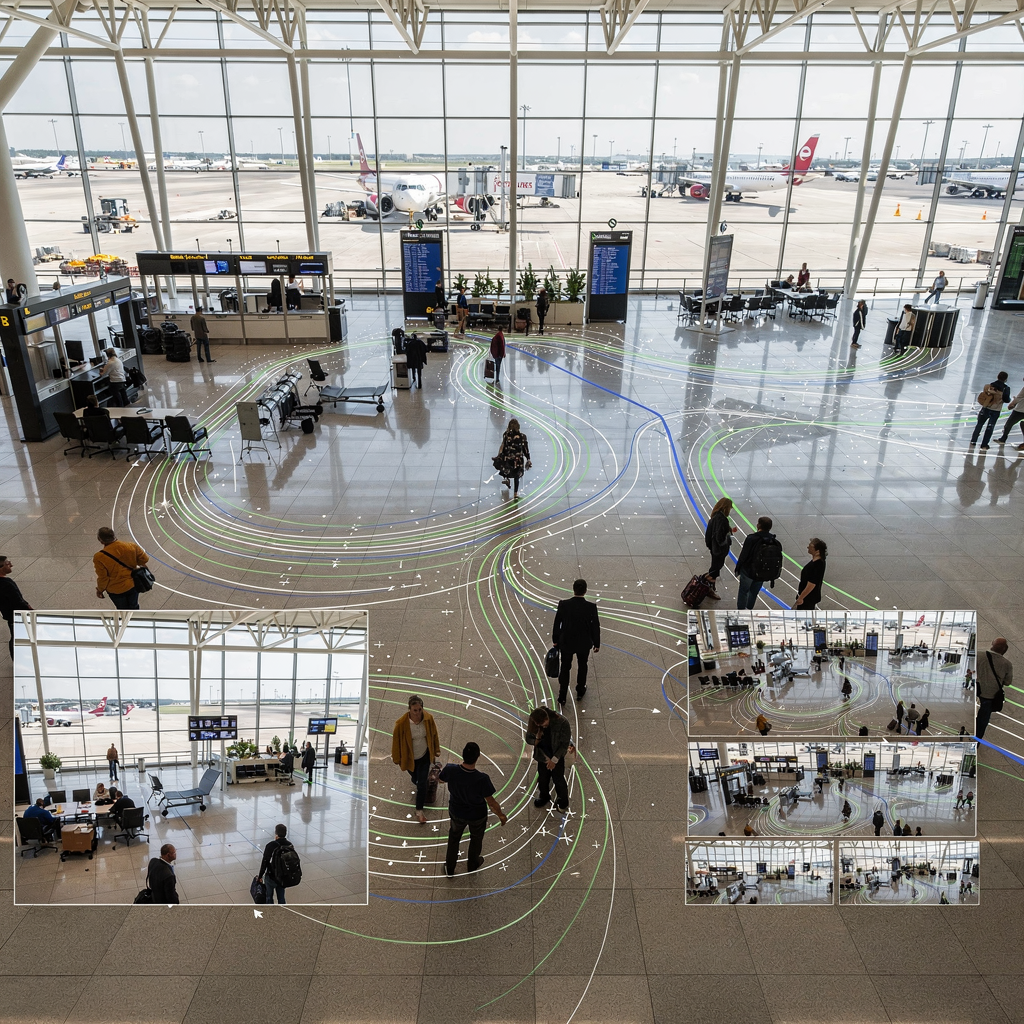
Use cases span transport hubs, retail, and critical infrastructure. In a busy terminal, operators can search for a person wearing a blue coat who entered near Gate B and follow a timeline of events to a last-known location. Retail loss prevention teams can search footage to locate shoplifting suspects by clothing color and gait, and they can tie hits to transaction times. Critical infrastructure teams can search for unauthorized access and then export clips for incident reports. For airport-specific forensic workflows, visit our forensic search in airports page to see examples and recommended practices forensic search in airports.
The efficiency gains are measurable. Systems that apply appearance-based indexing let operators locate footage to find in minutes, rather than hours. The index also supports filters for vehicle attributes, including vehicle type, and for camera fields such as entry lanes. This helps teams narrow results quickly. Appearance systems work best when paired with an overall platform that includes ANPR, so teams see who arrived and how they moved. When combined with on-prem AI and local reasoning, operators gain the ease of a single pane of glass and the speed of an automated triage.
AI vision within minutes?
With our no-code platform you can just focus on your data, we’ll do the rest
Enhance forensic investigations with artificial intelligence
AI elevates how teams build cases from video. Artificial intelligence turns visual data into structured descriptions, and it supports pattern recognition, behaviour modelling, and contextual correlation. This means that investigators can query a dataset not just for a person but for behaviour patterns such as loitering, trespass, or coordinated movement. The system then assembles a timeline of events, highlights relevant clips, and indicates likely points of contact or breach.
In practice, AI reduces the manual work of matching frames by automatically ranking potential hits. It improves recognition by learning from local scenes, and it adapts via continual training so results stay accurate. Deep learning and deep-learning approaches underpin the embeddings that power similarity matching. The result is an efficient, ai-powered workflow that supports proactive threat hunting as well as post-incident review. Security teams shift from reactive review to proactive detection and verification, which can prevent follow-on incidents.
Experts note that this change affects both tools and people. As an analyst at Farsight Security observed, “Avigilon’s forensic search capabilities represent a paradigm shift in video surveillance, enabling rapid, precise investigations that were previously impossible with manual methods” source. At visionplatform.ai we extend this idea by converting video into human-readable text, so operators can type natural queries and get meaningful answers. That approach helps with evidence collection, because the system produces a clear narrative of events and it links those narratives back to the original recorded video and to the clips that investigators need for court.
Incident response: Leveraging Avigilon appearance search
When an incident unfolds, speed and accuracy matter. Operators can use Avigilon appearance search™ to locate a person or vehicle across many cameras in minutes. First, the operator enters a photo or a brief description. Then the system runs an ai search engine over indexed frames. Results show thumbnails, timestamps, and camera IDs so teams can trace movement in a logical order. This workflow reduces response times and supports a coordinated handover to responders.
Practical deployment steps are straightforward. Begin by ensuring cameras and nvrs feed the platform and that analytics are tuned for site lighting. Next, train or configure appearance models for typical clothing and vehicle types on site. Then, test the workflow so operators can initiate a search and bookmark results while they alert responders. The operator can also upload a photo from a witness or from a live feed; the platform will match that image to archived frames and return likely hits. Best practice recommends configuring export presets for evidence packaging and locking clips once they are required for investigation.
Real-world benefits include quicker suspect identification and seamless evidence transfer to law enforcement. Teams can capture a last-known location and then guide patrols to that area. They can also attach contextual notes to clips and export a timeline for briefings or for court filings. The solution supports linking to access control events and to ANPR reads so investigators get a fuller picture. For teams focused on terminals, our vehicle-detection-classification-in-airports page explains how vehicle data integrates into rapid response workflows vehicle detection in airports.
FAQ
What is Avigilon appearance search and how does it work?
Avigilon appearance search is a visual indexing tool that finds people or vehicles across recorded video by matching physical descriptions and images. It uses deep learning to compare features and returns ranked results with timestamps and camera locations.
How fast can appearance search reduce review time?
Industry reports indicate that forensic video search can cut manual review time by up to 90% source. In practice, this turns hours of footage into minutes of targeted review.
Can the system recognise clothing color or hair color?
Yes. Appearance models index clothing color and hair color as attributes, and they use those traits to narrow results. Entering physical descriptions improves search precision.
Does appearance search work with license plate readers?
It can be combined with ANPR/LPR systems so teams can correlate person matches with vehicle reads. Avigilon documents and guides show how license plate reader cameras integrate into wider workflows source.
Is the solution compatible with existing VMS and NVRS?
Yes. The platform accepts streams from network video recorders and many VMS systems. Integration allows operators to jump from archived matches to live camera feeds.
How does this help incident response?
By locating a person or vehicle of interest quickly, teams reduce response times and can assign resources more effectively. The system also produces exportable clips and a clear timeline of events for handover.
Can I search using a photo from a witness?
Yes. Operators can upload a photo and initiate a search; the ai search engine will find similar frames across hours of footage. The workflow supports bookmarking and exporting matched clips.
How accurate is appearance-based matching?
Accuracy is high when models are correctly tuned; some deployments report recognition rates exceeding 95% in comparable scenarios source. Local calibration further improves results.
What role does documentation play in post-incident work?
Good documentation makes evidence admissible and traceable. Systems can attach metadata and notes to clips so investigators have a clear narrative of events and supporting video evidence.
How can visionplatform.ai complement Avigilon systems?
visionplatform.ai converts indexed video into human-readable descriptions and supplies AI agents that reason over events. This aids operators to search with natural language and to receive guided actions during incidents.