loiter Risks: Why Lingering Matters in Warehouses
Loiter in a warehouse means someone stays in a specific area without a clear work task. In practice, that can look like a person lingering near a loading bay, hanging by an entrance, or someone who stays in a defined area longer than expected. Such pauses can signal petty theft, organized theft, or vandalism. For example, an individual who lingers near high-value stock may be scouting for a break-in or to hand items to accomplices. Also, if someone is hanging around a packing line, they may interfere with operations or cause safety issues.
Warehouse layouts and long aisles create blind spots. Therefore, a lone security camera or a single guard cannot cover every corner. Companies now use loitering detection to reduce risk and to improve overall site security. Industry forecasts underline the scale of investment in this area: the loitering detection market is expected to grow sharply through 2033, driven by logistics and warehousing market projections. This growth makes sense. Early intervention can stop a theft before it escalates. In some cases, a quick alert to security personnel prevents property loss and saves replacement costs.
Also, loiter creates operational delays. A worker remaining in a narrow corridor can force workflow reroutes. As a result, throughput drops and labour costs rise. Warehouses that adopt monitoring for loitering often report fewer security incidents, lower downtime, and reduced shrinkage. For those reasons, business security leaders treat loiter as both a security threat and an operational KPI. Finally, simple measures like patrols and clear signage help. Yet, modern warehouses rely on technology to scale protection across multiple locations and complex layouts.
detection Techniques: From CCTV to AI video analytics
Traditional CCTV and manual patrols are common. Yet, a human watching multiple screens misses events. Also, plain CCTV lacks context about how long someone stays in place. Therefore, systems moved to basic motion detection and scheduled recording. However, those systems still generate tons of video footage. So, security teams struggled to find incidents in hours of video footage.
AI changes the approach. AI video analytics add behavior-based rules and object detection. They can flag when someone stays in a specific area for a specific amount of time. Spatial-temporal analysis tracks human trajectories across frames. This method helps identify loiter without confusing legitimate pauses with suspicious activity. For more technical background on spatial-temporal approaches, see research that combines spatial and temporal information to improve accuracy Loitering Detection Using Spatial-Temporal Information. Meanwhile, other studies warn that standardising the definition of loiter is hard and affects general solutions trajectory analysis research.
In live deployments, combining IP cameras, edge NVRS, and a VMS delivers the best coverage. CCTV systems still act as the sensor layer. Yet, AI-powered analytics run on the feed to reduce false positives. Also, advanced setups allow analytics to publish events to business systems. For a practical approach that integrates with existing VMS, vendors can use platforms that stream events and keep data on-prem. That approach both protects privacy and speeds detection.

AI vision within minutes?
With our no-code platform you can just focus on your data, we’ll do the rest
loitering detection and analytics: Merging Spatial-Temporal Insights
Loitering detection systems combine tracking, time thresholds, and behaviour rules. First, the camera identifies a person. Next, the system tracks the person’s path and measures dwell time. If someone stays in a defined area longer than expected, the system raises an alarm. Many algorithms use spatial-temporal analysis to recognise a pattern instead of a single frame. This reduces false positives from short pauses.
An analytics feature that filters common pauses helps security teams to act without fatigue. For example, a worker taking measurements near a rack could trigger an initial flag. However, adaptive thresholds learn typical pauses in busy zones and then ignore them. This approach adjusts sensitivity in loading docks, where stops are normal, and increases sensitivity near restricted areas or entrances. Research on adaptive methods shows that motion state analysis improves detection even when movement patterns change adaptive loitering anomaly detection.
Analytics also integrate with inventory and access control. Thus, an alert can link to a recent access badge read or to inventory movement. That context helps identify loitering individuals who might be testing locks or waiting for an accomplice. In practice, filtering false positives reduces operational overhead and keeps security personnel focused on potential threats. Platforms that let you re-train models on local footage improve accuracy. Visionplatform.ai, for instance, lets teams use existing VMS video to customise models on-prem. This preserves data and supports site security policies.
ai-powered video analytics: Detect and Deter Threats in Real Time
AI-powered systems interpret motion states and intent. They classify walking, standing, running, and other states. Then they decide whether behaviour meets a threshold for further action. When a system detects suspicious behavior, it can trigger a chain of responses. First, the system can send real-time alerts to a monitoring station or to mobile devices. Next, it can cue a PTZ camera to track the subject. Finally, it can play a deterrence message through a speaker or notify security personnel to approach.
This detect and deter workflow reduces incidents. For example, logistics centres that used AI to flag suspicious activity noted faster response times and fewer thefts. AI video analytics enable automated guard tours and scheduled scanning of high-risk aisles. Also, integrating with access control prevents unauthorized entry to restricted areas. One study notes that AI can mark trajectories that suggest loiter and then combine them with badge reads to identify unauthorized access. For practical deployments, tie detection alerts to NVRS and your VMS for archival and forensic review.
AI systems also support remote monitoring. So, one guard can cover multiple sites. That improves staffing efficiency and reduces costs. Yet, you must avoid excessive false positives. Platforms that allow model tuning and local training help keep nuisance alerts low. Visionplatform.ai supports this approach and streams structured events so teams use detections beyond security, such as operational KPIs and remote monitoring dashboards. As a result, the same system can protect your business and support operations.
AI vision within minutes?
With our no-code platform you can just focus on your data, we’ll do the rest
perimeter Security and Instant alert: Safeguarding Entry Points
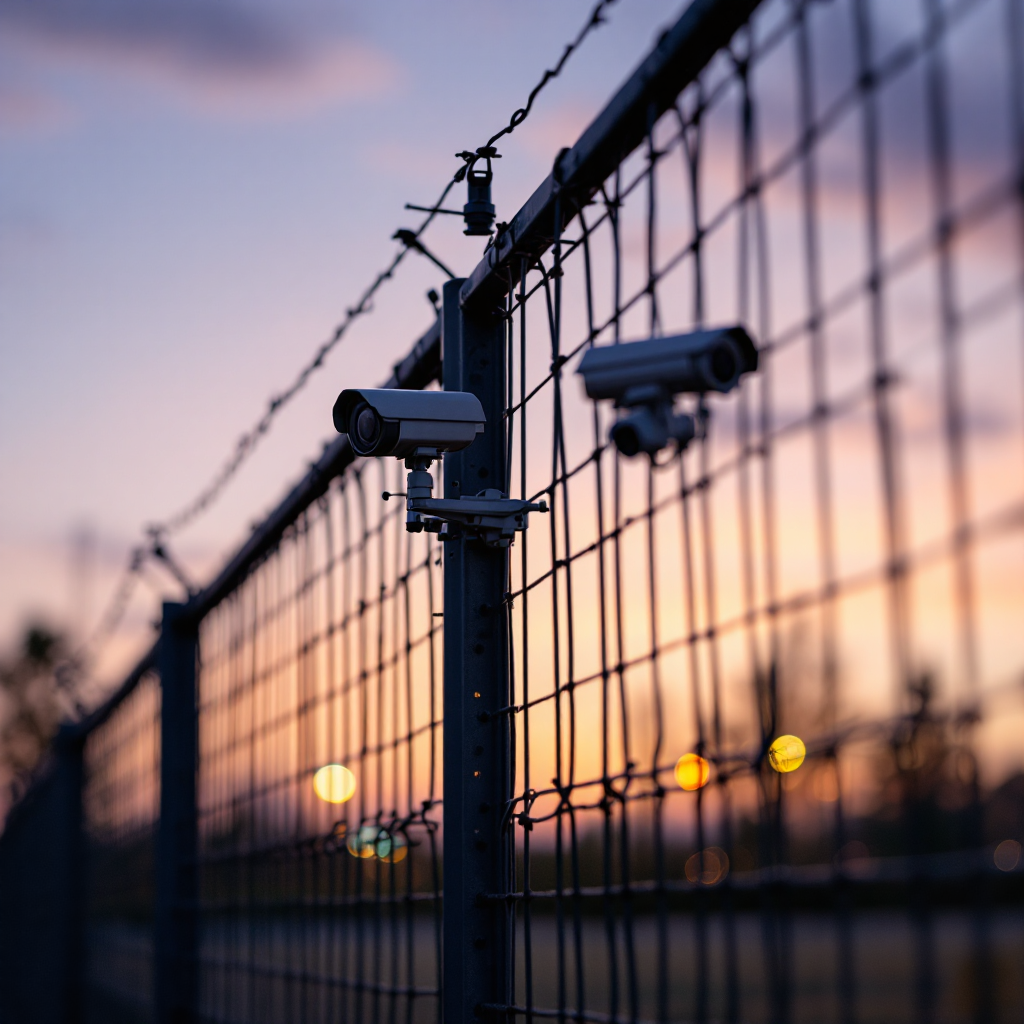
Perimeter protection often combines fence-mounted detectors, thermal sensors, and cameras. This mix gives layered defence. For loitering outside your facility, a thermal sensor helps in low light. Also, fence-mounted detectors can flag intrusion attempts before a person enters the yard. When combined with loitering detection, the system can trace someone’s path from fence to entrance. That chain of evidence helps security teams to act quickly and to prevent escalation.
Instant alert systems notify security teams via push notifications, email, or integrated dashboards. Real-time alerts let personnel intercept a threat before it escalates. To work well, you need careful camera placement. Place cameras to cover chokepoints, loading docks, and external walkways. Use PTZ to follow subjects and fixed IP cameras for persistent coverage. Also, install cameras to avoid blind spots and limited visibility areas.
Best practice links detection to access control and a VMS. If someone loiters at an entrance, the system can cross-check badge access and then raise a loitering detection alert when mismatch occurs. That process helps identify loiter near restricted doors and reduces potential security. For field guidance on integrating perimeter sensors with video, vendors often recommend using structured alert messages and NVRS for recording. Finally, include your monitoring station in response plans so security personnel know when to dispatch, when to warn, and when to log an incident.
frequently asked questions: Deploying AI Loitering Detection Effectively
This frequently asked questions section covers common concerns. Also, it links to deeper resources for those who want to deploy a solution responsibly and at scale.
What hardware and software do I need?
You will need quality IP cameras, a compatible VMS, and a server or edge device for AI processing. NVRS or NVRS integration helps with recording and playback. Vendors like Visionplatform.ai support Milestone XProtect and ONVIF cameras for flexible deployments.
How do I manage privacy and data protection?
Keep processing on-premise to reduce data exposure and to meet GDPR or EU AI Act needs. Also, configure retention policies and access controls so only authorised staff view sensitive footage.
How do I minimise false alarms and maintenance costs?
Train models on your own site footage and tune thresholds for high-traffic zones. Regularly review false positives and update model classes to reduce nuisance alerts.
What ROI can I expect on my AI video system?
Return depends on reduced theft, fewer incidents, and lower staffing costs. Industry reports show the loitering detection market growth as organisations invest in prevention; that trend reflects measurable savings in shrinkage and response time market research.
Can the system work in low light and bad weather?
Yes, by using thermal sensors and IR-capable IP cameras together with AI models tuned for limited visibility. Also, multi-sensor fusion reduces blind spots and improves detection accuracy.
How do I integrate loitering alerts with my existing security system?
Use event streaming via MQTT or webhooks to push events into your VMS, access control, or security solution. That approach lets security teams act and lets operations use data for dashboards.
Will the system detect criminal activity beyond simple loiter?
AI models can flag a range of suspicious activity, such as intrusion or someone lingering near high-value stock. In addition, analytics can correlate behaviour with badge reads to detect unauthorized access.
How do I handle multiple locations and central monitoring?
Deploy edge processing at each site and stream structured events to a central monitoring station. That model supports remote monitoring and keeps video storage local for compliance.
Can the system help with operations as well as security?
Yes. Analytics and event streams inform inventory flow, worker density, and process anomalies. Using the same platform improves overall efficiency and helps identify bottlenecks.
Do I need custom models for my site?
Often, yes. Custom models reduce false positives and help identify site-specific behaviours. Platforms that support training on local VMS footage make customisation practical and keep data private.
FAQ
What is loiter detection and how does it work?
Loiter detection flags when someone stays in a specific area beyond a defined amount of time. Systems use tracking, dwell time thresholds, and behavior rules to identify potential issues.
How accurate are AI loitering detection systems?
Accuracy varies by camera quality, placement, and model tuning. Systems improve when trained on local footage and when combined with context like access control reads.
Can loitering detection reduce theft?
Yes. By sending real-time alerts and enabling rapid intervention, the system can prevent theft before it escalates. Many warehouses report lower shrinkage after deploying AI analytics.
Will the system work with my existing CCTV systems?
Most modern solutions support integration with existing cctv systems and IP cameras. Check compatibility with your VMS and NVRs to ensure seamless deployment.
How do we avoid invading employee privacy?
Process video on-premise and limit access to event metadata rather than raw video when possible. Also, set clear retention policies and conduct privacy impact assessments.
Can the system detect vandalism or intrusion?
Yes. Analytics can be configured to flag vandalism and intrusion attempts near perimeter fences and entrances. Combined sensors like thermal detectors add resilience in low light.
What is the role of security personnel with AI detection?
AI reduces routine monitoring burdens and helps security personnel to act on higher-priority alerts. Staff still verify incidents and respond to escalate situations when needed.
How do real-time alerts reach my team?
Alerts can go to a monitoring station, mobile devices, or integrated dashboards. Systems use detection alerts and loitering detection alerts to keep teams informed.
Can loitering detection integrate with access control?
Yes. Integration with badge systems helps identify unauthorized access and links loitering events to entry records for better context.
What maintenance is required for these systems?
Maintain cameras, update models, and review false positives regularly. Also, ensure firmware and server software are patched and that storage systems like NVRS and NVRS are healthy.