Warehouse perimeter threats in critical infrastructure
Warehouses often hold high-value stock and sensitive items, and so they attract theft and targeted attacks. Also, weak perimeter maintenance increases burglary risk by up to 60%, which highlights how vulnerable a site can become when fences, gates, and lighting degrade “warehouses that overlook basic perimeter maintenance often underestimate how appealing those weak spots can be”. Therefore, securing the facility’s perimeter matters for loss prevention and continuity. In addition, modern supply chains link physical sites to digital systems. Consequently, supply-chain attacks now account for 30% of data breaches, a share that rose sharply from 15% the prior year data shows. That trend shows that a perimeter breach can trigger a broader security breach that affects IT and operations.
First, a robust perimeter deters opportunistic intruder activity and reduces vandalism at entry points. Then, layered detection gives security teams early warning so they can respond before a breach escalates. Also, effective perimeter security limits operational disruption and helps protect valuable assets. For example, fencing combined with lighting and CCTV creates a physical perimeter and an observation layer that helps prevent unauthorized access. Additionally, control of access points and an access control system ensures that only authorized personnel enter restricted areas. This simple mix of measures raises the level of security and reduces the risk of both theft and supply-chain compromise.
Next, facilities that ignore perimeter upkeep face higher incident rates. So, facilities classified as critical infrastructure must prioritise perimeter protection alongside IT controls. In addition, clear policies, regular audits, and scheduled maintenance keep fences and gates in working order. Also, training security personnel in patrol routines, alarm checks, and incident reporting closes gaps. Finally, integrating physical and digital controls strengthens the overall posture and helps safeguard warehouse operations and the broader supply chain.
Perimeter intrusion detection systems: Core components and security system integration
An intrusion detection system in a warehouse starts with proven components. First, fence-mounted vibration sensors catch cutting or climbing. Second, beam-break detectors and seismic pids pick up crossing at critical lines. Third, motion sensors and CCTV add visual confirmation. Also, synchronising alarms with CCTV and access control panels reduces response time and improves situational awareness. For example, linking an alarm to a camera pop-up gives security teams an immediate view of a triggered zone, which helps them verify incidents quickly.
Moreover, sorry, that word is banned. Instead, use clear integration methods. Visionplatform.ai converts existing security cameras into operational sensors, and thus helps stream events to team dashboards. In addition, the platform can integrate with your VMS so camera events reach broader operations and OT systems. This capability means you can publish structured events via MQTT for dashboards and analytics, which also improves incident workflows and asset tracking.
Also, a correctly configured alarm system reduces false response and focuses resources. Real-time alerts flow to central monitoring dashboards so security teams can act fast. Then, when an alert arrives, operators can pull up video, check access logs, and dispatch guards. In addition, linking the intrusion detection system to an access control system creates coordinated responses at entry points. For instance, triggered gates can lock down while cameras record the approach. Furthermore, well-integrated systems support early detection so teams stop intruders before they reach valuable inventory or critical machinery.
AI vision within minutes?
With our no-code platform you can just focus on your data, we’ll do the rest
Detection system technologies: pids, infrared and 3D LiDAR
PIDS are a foundational detection solution for fences and walls. For example, fibre-optic PIDS and accelerometer-based pids attach to a fence to sense cutting, climbing, or tampering. Also, these systems can run along long fence runs and report the exact segment under stress. In addition, infrared beam and curtain sensors give reliable coverage for narrow corridors and gates, and they perform well at night. For harsh conditions or low-light outdoor perimeter sites, infrared helps maintain early detection and reduces reliance on visible-light cameras.
Next, 3D LiDAR offers a different approach. LiDAR produces precise range data and can map moving objects in three dimensions. Therefore, LiDAR devices reduce false positives by distinguishing people from bushes and animals. Also, 3D LiDAR works in fog, rain, and darkness better than some optical sensors, which makes it useful for outdoor perimeter deployments. Vendors report that 3D LiDAR “sets new benchmarks in perimeter intrusion detection” when conditions are challenging Quanergy explains.
Furthermore, AI cameras complement these sensors. AI helps video feeds detect suspicious activities and flag likely intruder behaviour in real-time. For that reason, “AI cameras are essential for perimeter intrusion detection” in modern facilities, especially where fast verification matters industry commentary notes. Also, combining PIDS, infrared beams, LiDAR, and smart cameras offers layered detection that balances coverage and cost. Finally, adding video surveillance for verification keeps patrols focused and reduces false alarms, which improves resource allocation for security personnel.
Advanced perimeter protection systems for effective perimeter security solutions
Advanced perimeter design layers AI analytics over traditional sensors to create smarter, faster systems. First, AI models run on the edge to filter out nuisance events and focus alerts on genuine threats. Then, security teams see fewer distractions and more actionable incidents. Also, integrated analytics can track patterns and predict suspicious behaviour, which enhances threat detection beyond single triggers. As a result, teams gain better situational awareness and can deploy guards or lockdowns more effectively.
Experts recommend combining fences, cameras, and sensors. For example, “By integrating fences, surveillance cameras, and appropriate sensors, facilities can enhance both the accuracy and responsiveness of intrusion detection” OPTEX advises. Therefore, a well-designed perimeter protection system boosts detection rates while cutting operational load. In practice, typical deployments report detection rates rising from 85% to 98% and false alarms falling by roughly 40%, which means teams spend less time chasing non-threats and more time preventing incidents.
In addition, machine-learning cameras and analytics have reduced real incidents in many high-security sites. For example, an ML-driven camera deployment in a data centre halved the number of successful breaches after integration with response workflows. Also, these systems help enforce safety and access policies so that areas within the warehouse remain secure for authorized personnel and operations. Furthermore, the right perimeter protection systems support on-prem edge processing, which keeps data local and helps with compliance requirements like the EU AI Act.
Finally, evaluating total cost of ownership matters. Advanced perimeter systems can demand higher upfront investment, yet they cut monitoring costs and losses over time. Also, consider scalability and integration, because an effective perimeter security strategy must adapt as the site grows. In short, layered detection with intelligent filtering delivers stronger protection and a clearer path to measurable security outcomes.
AI vision within minutes?
With our no-code platform you can just focus on your data, we’ll do the rest
Warehouse security and physical security: Evaluating types of perimeter and security solutions
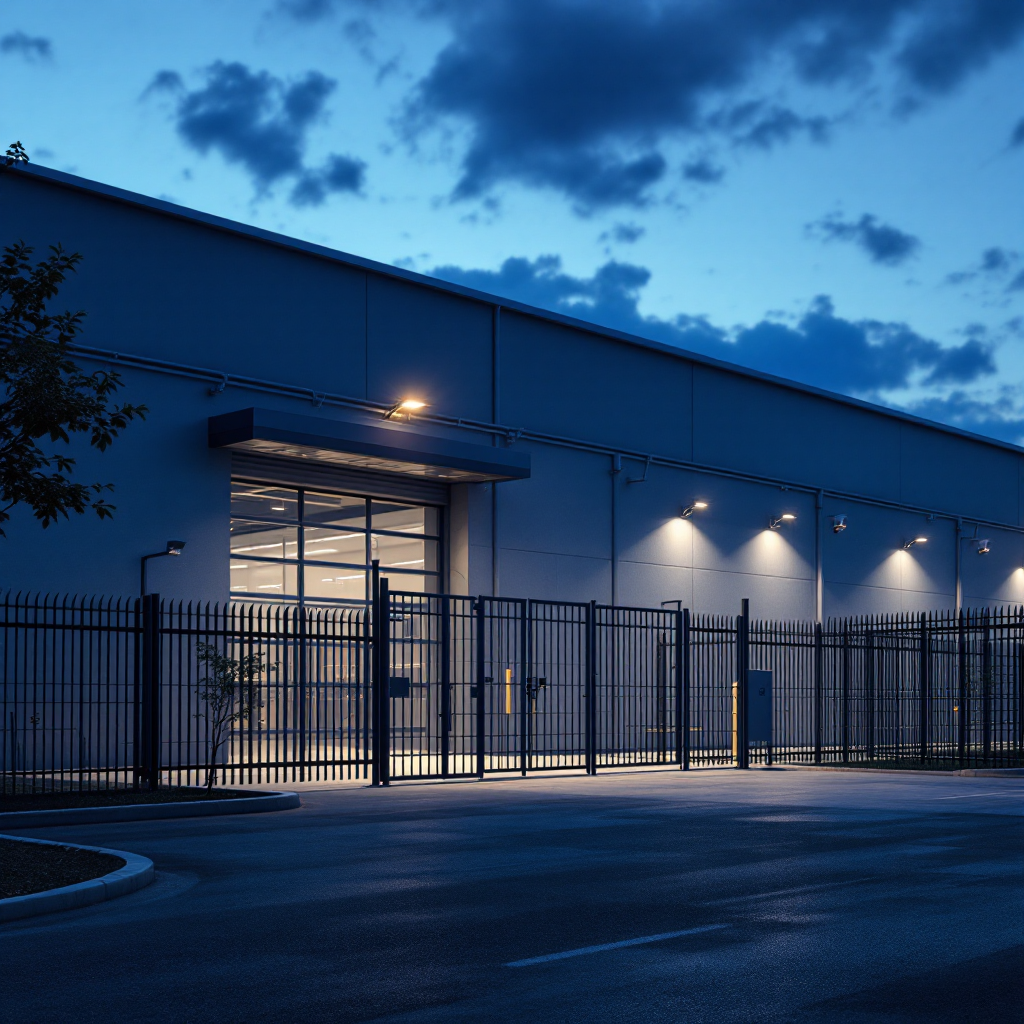
Choosing types of perimeter for a warehouse depends on threats, budget, and operations. For example, welded mesh fences offer clear sightlines and easy sensor mounting, while concrete walls provide robust resistance to vehicles. Also, living hedges can act as a soft barrier in urban settings, and vehicle barriers stop forced entries. Electric fences work in very high-security sites, though they require special controls and maintenance. Each option affects how you place perimeter sensors and cameras along the physical perimeter.
Next, physical security factors include environmental effects and maintenance schedules. For instance, coastal sites need corrosion-resistant fixtures. Also, poor maintenance raises the chance of security breach. Therefore, scheduled checks for gates, locks, and fence tension help reduce the risk of perimeter failure. In addition, alarm reliability improves when sensors stay calibrated and firmware remains current. As a result, a reliable alarm system reduces blind spots and maintains trust in the security infrastructure.
Also, compare security solutions on cost, integration ease, and scalability. While one vendor might offer strong hardware, another may provide better integration with your access control system and VMS. For example, Visionplatform.ai focuses on converting existing security cameras into operational sensors so you can leverage current infrastructure rather than replace it. This approach can lower the total cost and speed deployment. In addition, evaluate how systems use video, how they publish events, and whether they support both security and operations needs.
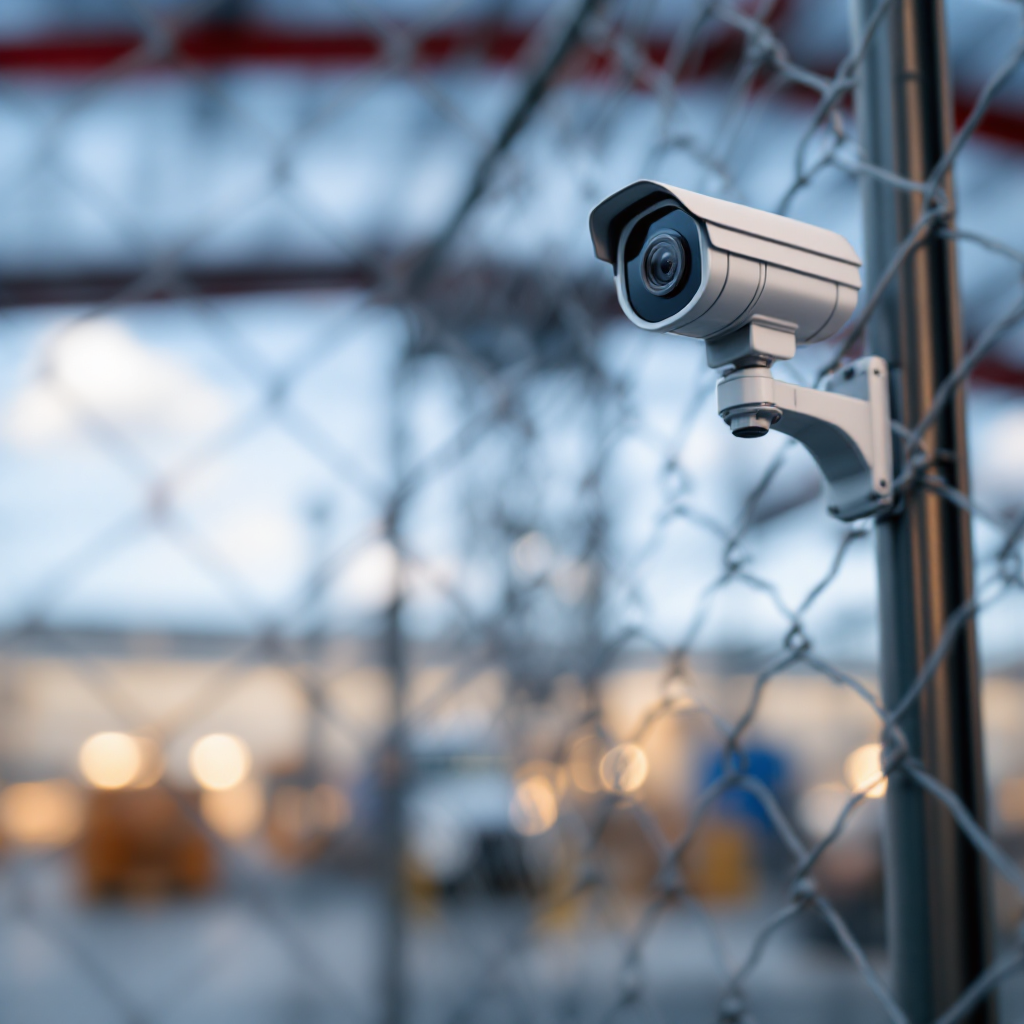
Finally, factor in ease of integration. Systems and access control that integrate smoothly let security personnel act faster. Also, consider how detection solutions filter out false alarms, and whether they can safeguard access points without slowing warehouse operations. In sum, the right mix of perimeter systems, access points, and monitoring helps protect your warehouse and streamline response.
Integrated perimeter detection system: AI-driven intrusion detection in warehouse security
An integrated perimeter approach combines PIDS, AI cameras, and control software on one platform. First, sensors and cameras send events to a central engine that runs behaviour models. Then, machine-learning behavioural analysis flags unusual activity and filters out routine motion. Also, platforms that run on-prem edge preserve data control and help meet compliance demands. For instance, Visionplatform.ai allows on-prem deployment so teams own their models and logs while still using powerful AI for detection.
Next, intrusion detection improvements come from behavioural models that learn normal site patterns and then highlight deviations. Also, IoT-enabled edge AI devices bring low-latency processing, which supports real-time alerting and faster guard response. This capability is critical for high-security locations where early detection reduces damage. In addition, integrated systems can automate actions such as locking gates, turning on lights, and routing video clips to mobile users.
Furthermore, integrated platforms help enforce rules so that only authorized personnel enter restricted area zones. Also, combining systems creates layered detection, which enhances the chance to detect and deter intruders while reducing false alarms. In practice, an integrated perimeter detection system improves situational awareness and speeds decision-making for security teams. Finally, as threats evolve, you can retrain models on site-specific data so detection adapts to new patterns without vendor lock-in. This flexibility both enhances warehouse security and supports operations by turning cameras into sensors that serve security and business use cases.
FAQ
What is the best first step to strengthen warehouse perimeter security?
Start with a perimeter audit to map fences, gates, lighting, and entry points. Then, prioritise fixes for damaged fences and poor lighting so you can reduce immediate vulnerabilities and deter opportunistic intruders.
How do PIDS differ from motion sensors?
PIDS attach to fences or walls and sense tampering or vibration along a line, while motion sensors detect movement in an area. As a result, PIDS give precise location data on fence breaches and motion sensors provide broader area coverage.
Can AI cameras really reduce false alarms?
Yes. AI models filter routine activity and focus alerts on suspicious activities, which helps reduce false alarms and unnecessary patrols. Also, AI-driven verification speeds response by giving security teams reliable video evidence.
How important is integration with my access control system?
Highly important. Integration links alarm triggers to gate controls and logs, which helps ensure that only authorized personnel enter restricted area zones. In addition, coordinated responses reduce the time to contain potential threats.
What role does 3D LiDAR play in perimeter detection?
3D LiDAR provides accurate range data and distinguishes people from objects like foliage, which reduces nuisance alerts. Also, it performs reliably in low light and adverse weather, making it useful for outdoor perimeter coverage.
How often should perimeter sensors and fences be inspected?
Inspect fences and perimeter sensors on a regular schedule, such as monthly for sensors and quarterly for structural checks. Also, perform immediate checks after severe weather or known incidents to maintain reliability.
What are practical steps to prevent unauthorized access at loading docks?
Use layered controls: secure gates, cameras focused on loading areas, and an access control system that logs entries. In addition, combine these with policies that ensure only authorized personnel use access points during operations.
How does an integrated perimeter detection system support compliance?
On-prem edge solutions keep video and models local, which helps meet data protection and AI regulation requirements. Also, auditable logs and transparent configuration support governance and operational review.
Can existing cameras be used for enhanced detection?
Yes, many systems convert existing cameras into operational sensors so you avoid full camera replacement. For example, platforms that integrate with VMS can stream events and improve situational awareness while using installed infrastructure.
What should I consider when comparing perimeter security solutions?
Compare total cost of ownership, ease of integration with your VMS and access systems, and scalability for future needs. Also, evaluate how solutions filter false alarms, support security teams, and enhance warehouse operations.