Surveillance and Investigation: The Role of CCTV Footage
Rapid forensic review in criminal probes refers to a fast, methodical process that turns raw video into concise, usable evidence. First, investigators identify time windows and subjects. Next, they extract clips and metadata. Finally, they prepare court-ready materials. This workflow helps investigative teams locate relevant footage fast. CCTV plays a central role. Studies show CCTV appears in roughly 20–30% of urban investigations, which highlights how often video supports case-building (20–30% statistic). Also, prosecutors and investigators report that digital video is essential, even though volume creates pressure on teams (survey of prosecutors).
However, hours of footage create a bottleneck. Traditional review can take many investigator-hours; one review found manual examination may consume up to ten hours of work for a single hour of recording (NIJ study). For that reason, rapid forensic processes aim to accelerate review and reduce repetitive tasks. Forensic approaches prioritize auditable steps, preserve chain of custody, and keep evidence admissible. In practice, a trained analyst tags events and refines search queries. The result is a more efficient investigative workflow. Also, this practice helps close cases faster and reduces backlog in busy control rooms.
Forensic cctv and related methods bridge scene evidence and digital records. For example, investigators combine timestamps with access logs to verify vehicle movements. In addition, thumbnail previews and advanced indexing make retrieval easier. Agencies that adopt rapid review see faster incident response and better resource allocation. Finally, control rooms that integrate natural-language search reduce operator time and cognitive load. For details on deploying targeted detection models for people or vehicles, teams often consult specialised resources like people detection and ANPR pages to refine monitoring and improve investigative work people detection in airports and ANPR/LPR in airports.
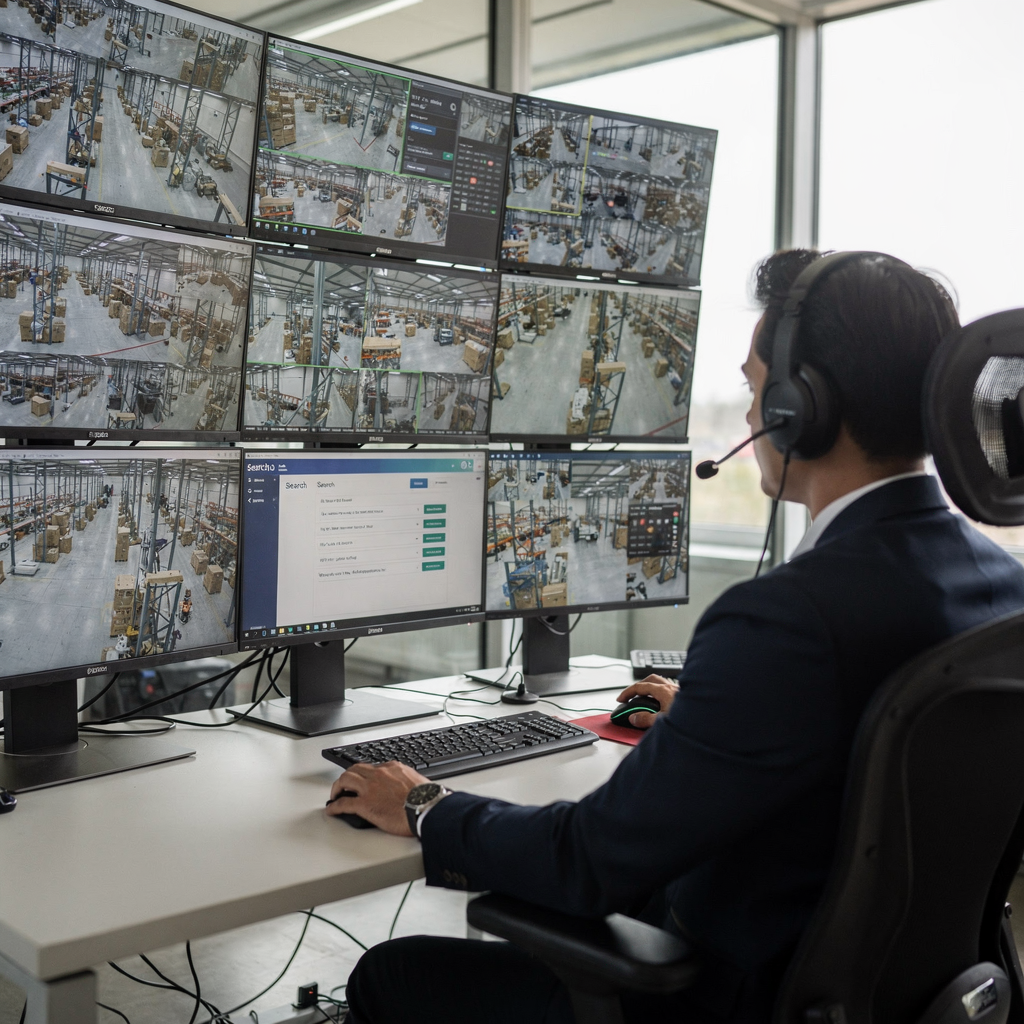
Accelerate Investigations with AI-Powered Forensic Video Analytics
AI-powered forensic tools change how teams handle video. AI classifies events, applies face recognition, and tracks moving objects across frames. In practice, AI filters raw footage and highlights suspicious activity for an analyst. Also, this method can accelerate investigations by surfacing key clips without exhaustive playthroughs. The integration of on-prem AI preserves data control and reduces cloud dependency, while still producing accurate results at scale. One expert observed that AI improves both speed and reliability of identification and verification (expert note on AI in forensic video analysis).
Furthermore, video analytics transform raw CCTV into focused evidence. Advanced video algorithms perform object classification, trajectory mapping, and face matching. For example, face recognition flags candidates, while object tracking links behavior across cameras. Then, analysts review flagged segments and confirm identities. This process reduces manual playback and reduces review time by as much as 70% in certain workflows (70% efficiency gain). Thus, teams can allocate scarce forensic resources to complex evidence, not basic triage.
visionplatform.ai implements Vision Language Models so operators can ask natural-language questions and receive precise clips. The VP Agent Search module converts video into searchable text, letting teams find events by description rather than camera ID. Also, VP Agent Reasoning explains why an alert matters and links related systems. As a result, the operator sees context and action options instead of raw detections. This AI-assisted approach helps investigators focus on probative material and reduces false alerts while maintaining auditable logs and case management links. For further use cases, readers can explore forensic-search capabilities to see how search across cameras and timelines becomes practical forensic search in airports.
AI vision within minutes?
With our no-code platform you can just focus on your data, we’ll do the rest
Streamline Video Review through Advanced Search, Metadata and Plugins
Advanced search makes a huge difference when teams need to locate relevant footage. First, systems index metadata, produce thumbnails, and create time-coded markers. Then, analysts run search queries that return short clips instead of raw video. This approach turns video into structured text and images for faster retrieval. Also, metadata extraction flags people, vehicles, and unusual behavior. That saves time and helps investigative teams prioritize. Forensic video workflows that include metadata improve retrieval speeds and support auditable export of evidence.
Next, plugins and modules link video to case management systems. Built-in connectors let teams export clips in court-ready formats. Also, they create consistent audit trails and maintain chain of custody. Many platforms allow redaction modules to protect sensitive details before sharing. The combination of advanced search and plugins streamlines the path from discovery to disclosure. For example, a dashboard that links a thumbnail to the original raw video makes it simple to review the clip, annotate it, and export it as an exportable exhibit. In practice, this reduces the friction between surveillance capture and judicial use.
Also, metadata powers smart alerting and automated triage. When a detection occurs, the system attaches event tags and context. Analysts then refine search queries to locate additional instances or related events across cameras. This reduces duplicate work and lets teams close cases faster. For teams that need to protect sensitive data, redaction tools safeguard identities before material leaves the environment. In addition, operators benefit from the ease of use of integrated workflows and plugin support for common video management systems and case management platforms. Finally, agencies that adopt these modular workflows report better investigative outcomes and clearer, auditable chains of custody.
Search Across Cameras: Unify and Scale CCTV Analysis
To speed suspect identification, teams must unify multi-angle footage into a single timeline view. A unified platform aggregates feeds, aligns timestamps, and shows a synchronized timeline so investigators see the same moment from different perspectives. This search across cameras capability saves time. Also, it reduces the need to jump between separate VMS views and spreadsheets. When platforms deploy scalable indexing, they support hundreds of cameras and thousands of hours of video without slowdowns.
Enterprise deployments require scalable infrastructure. Cloud-based options exist, but many organisations prefer on-prem solutions that preserve control and reduce regulatory risk. visionplatform.ai offers a unified platform that runs on GPU servers or edge devices and integrates with major video management systems. This design enables multi-site searches and fast retrieval across multiple feeds. For investigative teams, that means they can locate relevant clips faster and follow vehicle movements or person trajectories across an enterprise environment. For example, the VP Agent Search supports natural-language queries like “red truck entering dock yesterday evening” and returns matched clips from several cameras.
Also, simultaneous multi-camera search improves situational understanding. When an alert triggers, operators can see where the alert occurred and which other cameras show related activity. This rapid correlation helps dispatch decisions and informs initial investigative steps. In addition, a searchable, auditable timeline supports court-ready exports and strengthens admissible evidence by showing consistent timestamps and provenance. Finally, scaling search across cameras allows organisations to uncover patterns across sites and support long-range investigative work without adding staff.
AI vision within minutes?
With our no-code platform you can just focus on your data, we’ll do the rest
Forensic Investigation, Forensics and Low-Quality Footage for Reliable Video Evidence
Low-quality recordings pose a common challenge for forensic teams. Grainy images, poor lighting, and compression can obscure key details. For that reason, forensic image processing and enhancement techniques play an important role. Using contrast adjustment, frame interpolation, and motion deblur, analysts often recover identifiable features. Also, careful enhancement must document every step so evidence remains admissible. The reliability of CCTV images as evidence depends on both quality and method, as research into CCTV reliability has found (reliability study).
Forensic investigation requires strict workflows. First, preserve the original raw video and record a secure copy. Next, apply enhancement with auditable logs. Then, create a court-ready clip with clear notes on processing. Also, maintain the chain of custody and provide documentation so the material is admissible in court. These steps help assessors evaluate whether enhancement altered probative content. In practice, agencies that follow strict forensics protocols achieve better results and more defensible video evidence. For example, a Nairobi study found that applying rapid review techniques increased detection rates by 15% even with limited camera coverage (Nairobi study).
Also, analysts must balance speed and accuracy. Rapid review does not mean cutting corners. Instead, a powerful tool combines AI triage with human verification. That reduces review time while preserving admissible standards. Tools that support auditable exports, secure storage, and strict access control help safeguard material and protect sensitive identities. Finally, policies around redaction and disclosure guard privacy and reduce the risk of breach when sharing clips with prosecutors or partners.
Enhancement of Forensic CCTV with AI and Scalable Solutions
Future trends include tighter AI integration and cloud or on-prem scaling. AI models will refine face recognition and object classification while also providing explainable reports. For example, systems will attach textual descriptions to clips and show why a match occurred, supporting accurate results in court. Also, as platforms integrate historical context and access logs, investigators receive better actionable insights rather than isolated alerts. These features accelerate investigations and deliver court-ready materials more reliably.
However, teams must address data privacy and standard protocols. Agencies should adopt auditable workflows, clear retention policies, and documented procedures so evidence remains admissible. In addition, system architects should safeguard against accidental data exposure and protect sensitive information securely. visionplatform.ai focuses on on-prem processing and audit trails to reduce cloud risks and to align with regulations like the EU AI Act. This approach helps deploy scalable systems while keeping control over video data and model behaviour.
Finally, the combination of better detection, improved enhancement, and unified platforms helps close cases faster. Investigators see fewer false alerts, reduced manual playback, and faster retrieval of probative clips. As a result, control rooms can move from raw detections to AI-assisted operations, where alerts become explainable situations and agents suggest next steps. For teams interested in specialised detection modules, resources are available for PPE, intrusion, and loitering detection to refine site-specific models and workflows loitering detection in airports and intrusion detection in airports. Overall, integrated, scalable systems empower investigators with a search-first approach that uncovers leads quickly and supports rigorous forensic standards.
FAQ
What is rapid forensic review and how does it differ from normal video review?
Rapid forensic review uses automated tools and structured workflows to find probative clips quickly. It focuses on triage, searchable indexes, and metadata so investigators spend less time on manual playback and more time on analysis.
How much time can AI reduce in video review?
AI can dramatically reduce review time in many cases. Studies show AI workflows can cut review time by up to 70% compared to manual playback, enabling teams to focus on verification and reporting (NIJ study).
Can low-quality footage be enhanced for court use?
Yes, enhancement techniques can clarify features while preserving original files and logs. However, every enhancement must be documented to preserve admissible status and to maintain an auditable trail for court reviewers.
What safeguards ensure video evidence stays secure?
Best practice includes preserving raw video, recording audit trails, and using secure, access-controlled storage. On-prem processing further reduces the risk of external data exposure and helps comply with local regulations.
How do platforms search across multiple cameras quickly?
They index video, align timestamps, and create a unified timeline so investigators can run queries and view synchronized clips. Natural-language search and metadata increase speed and reduce the need to know camera IDs in advance.
Is face recognition reliable in forensic contexts?
Face recognition can be a powerful lead-generation tool, but it requires human verification and proper documentation. Systems that provide explainable matches and confidence metrics produce more defensible results in investigations.
How do plugins and case management integrations help investigators?
Plugins connect video platforms to case management systems and export modules, which streamlines the creation of court-ready clips and preserves chain of custody. This reduces manual transfer errors and supports auditability.
What about privacy and redaction?
Redaction tools allow investigators to protect sensitive identities when sharing clips. Policies and built-in redaction modules help ensure disclosure complies with legal requirements and protects individuals from unnecessary exposure.
Can forensic review work on a city-wide scale?
Yes, scalable solutions can index thousands of cameras and enable enterprise-level searches. Teams should choose architectures that balance real-time detection, searchable history, and secure data handling for multi-site deployments.
How does visionplatform.ai support forensic workflows?
visionplatform.ai adds a reasoning layer to video, converting visual events into searchable descriptions and offering AI agents that verify alerts and suggest actions. The platform supports on-prem deployment, audit trails, and integrations with video management systems to streamline investigative workflows.