Introduction to AI Video Analytics and Video Intelligence
AI Video Analytics and Video Intelligence describe systems that analyze video to extract operational data and support decisions. These systems apply artificial intelligence and computer vision to camera outputs so teams can act faster and with more certainty. Video already dominates the internet: roughly 82% of consumer internet traffic in 2023 came from video streaming, which demonstrates why making video into operational data matters for every organization (Digital News Report 2024). When businesses turn video into structured records and metadata, they unlock searchable events, trend lines, and timelines that inform strategy and daily operations.
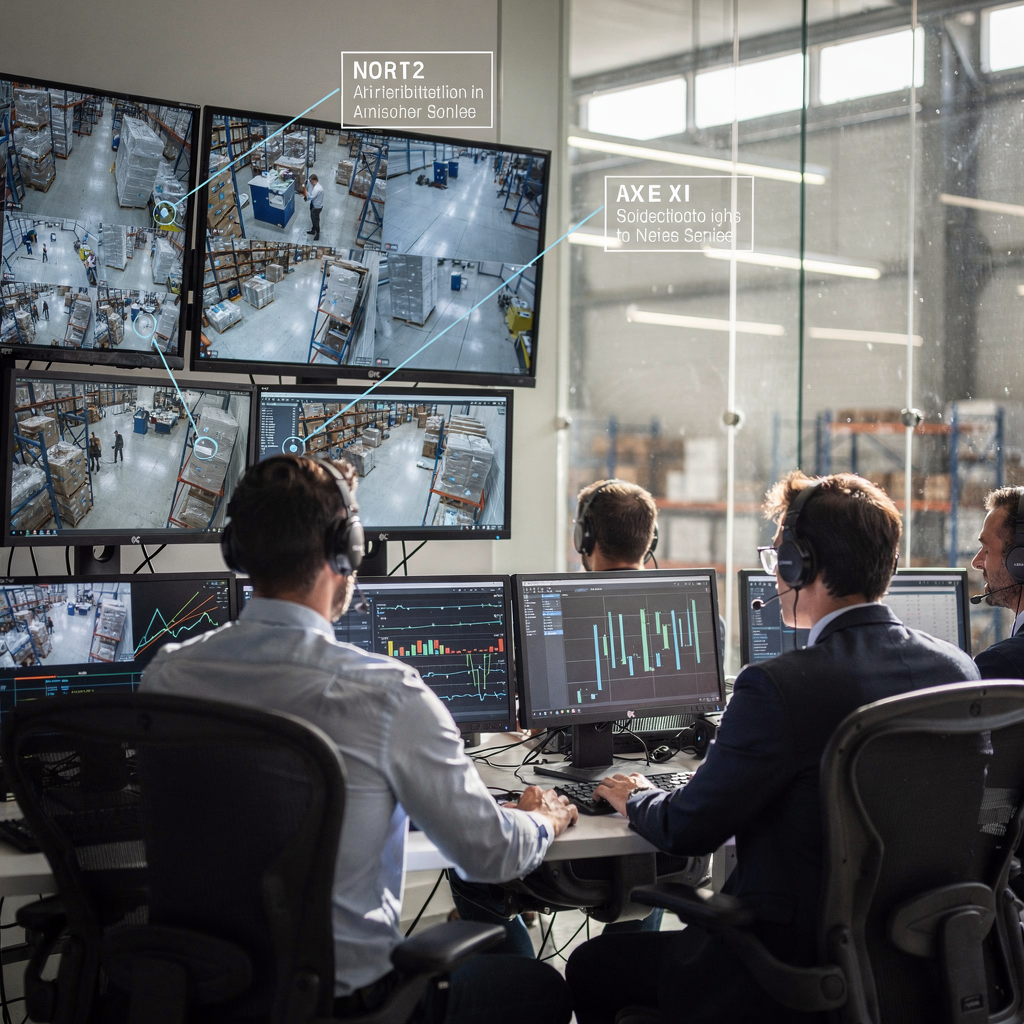
To transform video into operational signals, teams must perform data processing, apply vision models, and integrate results with business operations. Vision platforms convert raw video footage into timestamps, tagged objects, and textual descriptions that feed incident logs and dashboards. This lets operators compare video events with historical data and sensor data to reach fast, reliable decisions. For example, a control room that used visionplatform.ai reduced time per alarm by combining detections with an on-prem Vision Language Model and AI agents, so operators receive context, reasoning, and decision support rather than isolated alerts.
This article maps how video analytics convert streams into usable data. It also shows how to analyze video, extract insights from video data, and optimize operations using video-driven KPIs. You will learn why video analytics transforms monitoring into actionable workflows, how to improve operational efficiency using AI-powered video analytics, and how to deploy these systems at scale. Along the way, we cite research about video encoding and newsroom AI to show the trends behind investment and adoption (Cloud media video encoding: review and challenges) and the role of AI in newsroom transformation (Digital Newsroom Transformation).
Video Analysis with Machine Learning for Operational Efficiency
Video analysis starts with efficient video encoding and compression so analysis runs fast and costs stay low. Engineers first preprocess video streams, normalize frames, and extract metadata such as timestamps and geolocation. Then machine learning and computer vision models detect people, vehicles, objects, and behaviours. These ai models transform pixels into semantic descriptions that systems can query, which supports operational efficiency and faster response. Research highlights the growing need for better encoding and lower latency, and shows why improved compression matters for real-time use cases (Springer Link).
When teams analyze video content they run object recognition, pose estimation, and scene understanding. The pipeline tags people, flags loitering, and reads license plates when needed. For instance, in aviation security a system may combine people detection with ANPR to link a person to a vehicle. visionplatform.ai integrates with VMS platforms so video feeds become structured event streams that other systems can ingest. That lets a control room incorporate video analytics and traditional video logs into the same operational flow, which reduces manual cross-checking and human error.
Once models produce metadata, integration with enterprise software matters. Extracted data populates incident tickets, supply chain platforms, or marketing dashboards. These targets receive structured outputs such as alerts from video, event severity, and recommended actions. The process reduces false positives and helps teams improve operational efficiency by automating routine checks and escalating verified incidents. For organizations aiming to operate at scale, the combination of ai systems, edge processors, and careful data processing yields predictable performance and lower operating cost. As a result, live video and recorded footage become searchable and useful for audits, investigations, and continuous improvement.
AI vision within minutes?
With our no-code platform you can just focus on your data, we’ll do the rest
AI Solutions and Video Analytics Solutions Across Industries
Different industries apply video analytics in distinct ways, and practical deployments show how versatile the technology can be. Media and journalism use intelligent video to speed editing, tag clips, and personalise feeds. In manufacturing, cameras inspect product lines for defects and trigger quality workflows. Retailers use analytics to track dwell time, heatmap occupancy, and customer paths so they can optimize merchandising. Logistics teams integrate vehicle detection and classification to correlate dock activity with inventory systems. These examples prove that video becomes business intelligence when systems can turn video into actionable insights.
AI for video supports multiple operational goals. For example, marketing teams analyse customer behaviour to refine campaigns, and safety teams leverage safety analytics to reduce incidents. You can read use cases such as people-counting and crowd-detection density in airports to see precisely how analytics deliver measurable KPIs (people counting) and how forensic search speeds investigations (forensic search). In perimeter security, intrusion detection feeds alarms into operator workflows and helps close incident reports quickly (intrusion detection).
Vendors offer video analytics solutions that range from cloud services to on-prem appliances. The best solutions integrate with VMS, OT, and BI platforms so analytics can update dashboards and trigger automated scripts. visionplatform.ai concentrates on on-prem AI that explains detections, so operators get context and reasoning instead of raw flags. That difference matters in regulated environments where cloud video processing creates compliance risk. Meanwhile, analytics across marketing, operations, security, and training converge on the same benefit: faster verification, fewer false alarms, and clearer audit trails. When organisations turn existing cameras into operational sensors, they unlock new efficiencies and save time on investigations and reporting.
Surveillance, Safety Analytics and Intelligent Video Insights
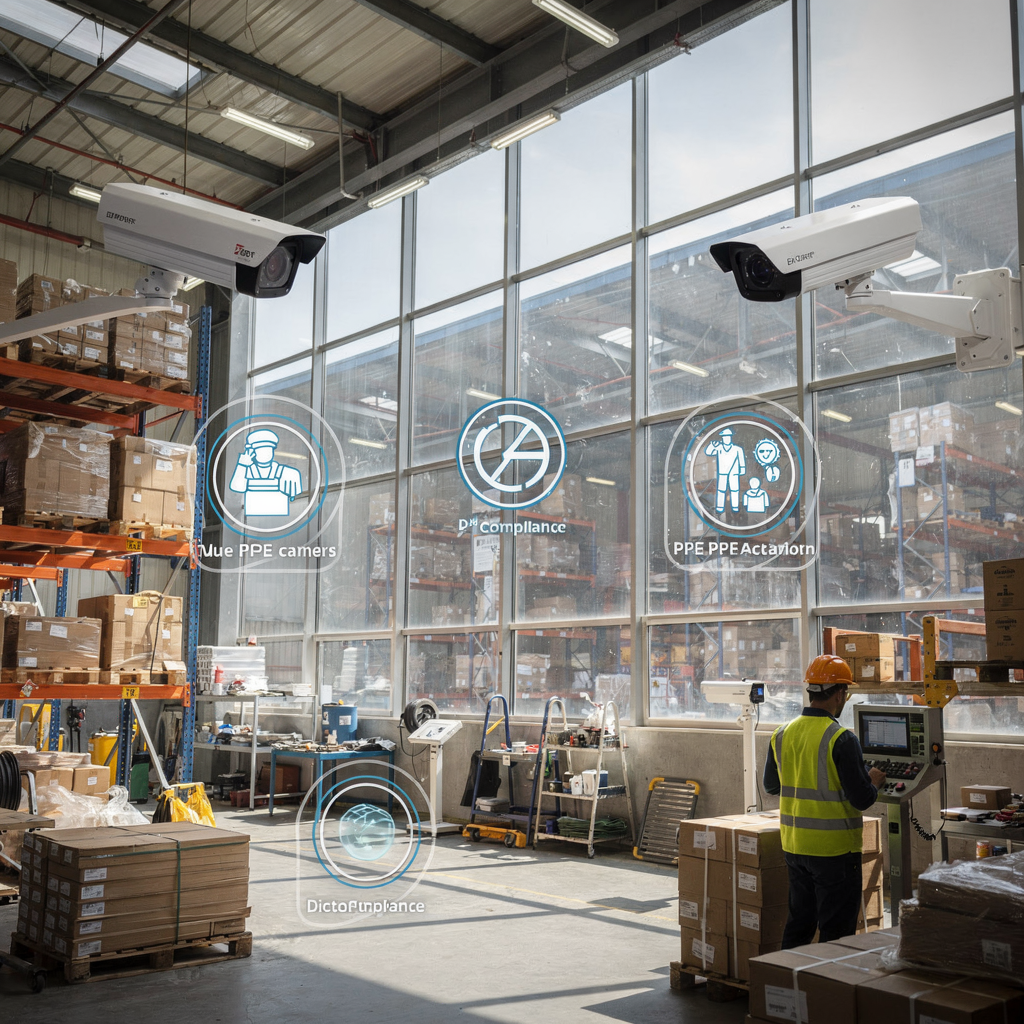
Surveillance systems now do more than record events. Intelligent video analytics and AI-powered video analytics enable a surveillance system to spot threats, confirm alarms, and suggest responses. Modern CCTV and traditional video surveillance setups can feed advanced ai video analytics platforms so security teams detect intrusions, weapon presence, or suspicious behaviour faster. In public spaces, safety analytics detect crowd density, slip-trip-fall risks, and unauthorized access. These systems reduce risk and support rapid emergency response.
Real-time monitoring combines video feeds with access control and historical data to verify whether an alert needs escalation. In practice, intelligent video analysis lowers the rate of false positives and reduces operator fatigue by offering context and cross-checks. For example, a VP Agent can correlate a person loitering with access logs, camera history, and nearby vehicle detections to produce a single, justified incident. That’s where video delivers value: operators spend less time chasing noise and more time resolving events.
Public safety teams also use surveillance analytics to comply with policy and document chain-of-evidence. By making video searchable and by exposing data as structured events, organisations can generate reports and audit trails quickly. This approach makes it easier to integrate video with incident management software and to automate parts of the response. Whether deployed for perimeter breach detection or for crowd detection density, the result is clearer situational awareness and faster, documented action. As a result, teams can scale monitoring without proportionally increasing headcount.
AI vision within minutes?
With our no-code platform you can just focus on your data, we’ll do the rest
Advanced AI Video Analytics for Real-time Detection
Advanced AI video analytics use deep learning and neural networks to perform tasks that older systems could not. These approaches support real-time detection of anomalies, defects, and behavioural cues. For manufacturing, convolutional neural networks detect surface defects with higher accuracy than manual inspection. For security, recurrent and transformer models help predict suspicious trajectories. Teams measure success by accuracy, latency, and scalability: a good system limits false positives while maintaining short inference times on live video.
Edge AI and distributed processing push models close to camera sources so teams achieve low latency for real-time alerting. Combining edge inference with central reasoning gives the best balance between speed and context. The system provides real-time verification and then streams structured events and metadata for long-term analytics. This hybrid approach lets organisations run complex models on local GPUs while preserving privacy and reducing bandwidth for video streams.
Performance metrics vary by use case, but operators typically want sub-second detection for safety-critical scenarios and few-percent error rates for repeatable inspection. To meet those needs, teams tune models, collect labelled historical data, and run continuous retraining. visionplatform.ai supports custom model workflows so customers can use pre-trained models, improve them with site-specific data, or build models from scratch. These choices matter because model drift and environmental differences degrade detection performance unless organisations regularly validate outcomes.
Finally, integrating AI agents with detection systems moves the workflow from alerting to action. Agents can verify detections, explain why they matter, and recommend or execute responses. This reduces time to resolution and helps organisations scale monitoring while keeping operators in control. As AI analyzes and reasons over video and related data, teams gain better situational awareness and can allocate resources where they matter most.
The Future of Video Analytics: AI Tools to Transform Operations
Looking ahead, the future of video analytics will centre on smarter models, edge AI, and faster networks such as 5G. These trends let organisations deploy advanced ai video analytics technology and advanced vision ai in environments that previously lacked bandwidth or compute. Predictive maintenance will increasingly rely on visual cues, and AI tools will blend video with sensor data and logs for more accurate forecasting. That enables teams to plan resources, schedule repairs, and avoid costly downtime.
Adoption patterns show that companies choose on-prem solutions to satisfy compliance while they still want the benefits of modern ai analytics. The Microsoft report summarised how AI can reshape business processes across marketing, supply chain, and finance (AI-powered success—with more than 1,000 stories). As organisations move from isolated detections to contextual reasoning, they will rely on platforms that expose video as structured inputs for agents and automation.
To prepare, organisations should inventory existing video, map key use cases, and pilot models on representative camera feeds. Use metrics such as reduction in mean time to verify, lower false alarm rate, and improved operational efficiency across teams. visionplatform.ai demonstrates an approach that keeps data on-prem, exposes VMS data for reasoning, and adds search and agent features that turn detections into guided workflows. For teams looking to turn video into actionable insights, the strategic path is clear: deploy accountable ai systems, integrate video with operations, and measure the business value of improved response times and fewer manual steps.
FAQ
What is AI video analytics and how does it differ from basic CCTV?
AI video analytics uses AI, including computer vision and neural networks, to detect, classify, and explain events in video. Basic CCTV records footage but does not analyze it; AI video analytics turns passive footage into operational data and alerts that support decisions.
How quickly can AI systems provide real-time insights?
Systems designed for live video and edge inference can provide sub-second detections for critical events and near-instant summaries for less urgent contexts. However, actual latency depends on model complexity, network bandwidth, and whether processing runs on edge hardware or in a central server.
Can video analytics integrate with existing VMS and business platforms?
Yes. Modern video analytics tools integrate with VMS platforms, BI systems, and incident management platforms via APIs, webhooks, and MQTT. visionplatform.ai, for example, connects tightly with Milestone and exposes events for agent reasoning and automation.
How do organisations maintain privacy and compliance with on-prem solutions?
On-prem deployments keep video and models inside the customer’s environment, reducing cloud exposure and simplifying compliance with regulations such as the EU AI Act. This approach also lowers transfer costs and keeps sensitive data under direct control.
What industries benefit most from video analytics?
Many sectors gain value: airports and transport use people detection and ANPR, manufacturing uses defect detection, retail uses heatmap occupancy analytics, and security teams use intrusion and perimeter-breach detection. Each application turns video into operational data that improves response and efficiency.
Do AI models require lots of labelled historical data?
Labelled historical data improves model accuracy but you can start with pre-trained models and refine them with site-specific samples. Platforms that support custom model workflows let teams improve accuracy incrementally without building everything from scratch.
How do AI agents change control-room workflows?
AI agents verify alarms, provide context, and recommend actions, which reduces cognitive load and speeds decisions. They can also fill reports and trigger external workflows while keeping humans in the loop where necessary.
What are the common performance metrics for video analytics?
Teams evaluate accuracy, false positive rate, latency, and scalability. For safety-critical deployments, low latency and high true-positive rates are essential, while for trend analysis scalability and data integrity matter more.
How can organisations start a pilot for video analytics?
Begin by identifying a clear use case with measurable outcomes, deploy models on a small set of cameras, and measure improvements such as reduced response time or fewer false alarms. Use the pilot to validate integration with existing business operations and to gather labelled data for refinement.
What role do edge AI and 5G play in the future of video analytics?
Edge AI reduces latency by running inference close to cameras, and 5G expands capacity for high-quality live video. Together they enable real-time alerting, distributed analytics, and responsive workflows even in bandwidth-constrained locations.