understanding the importance of warehouse
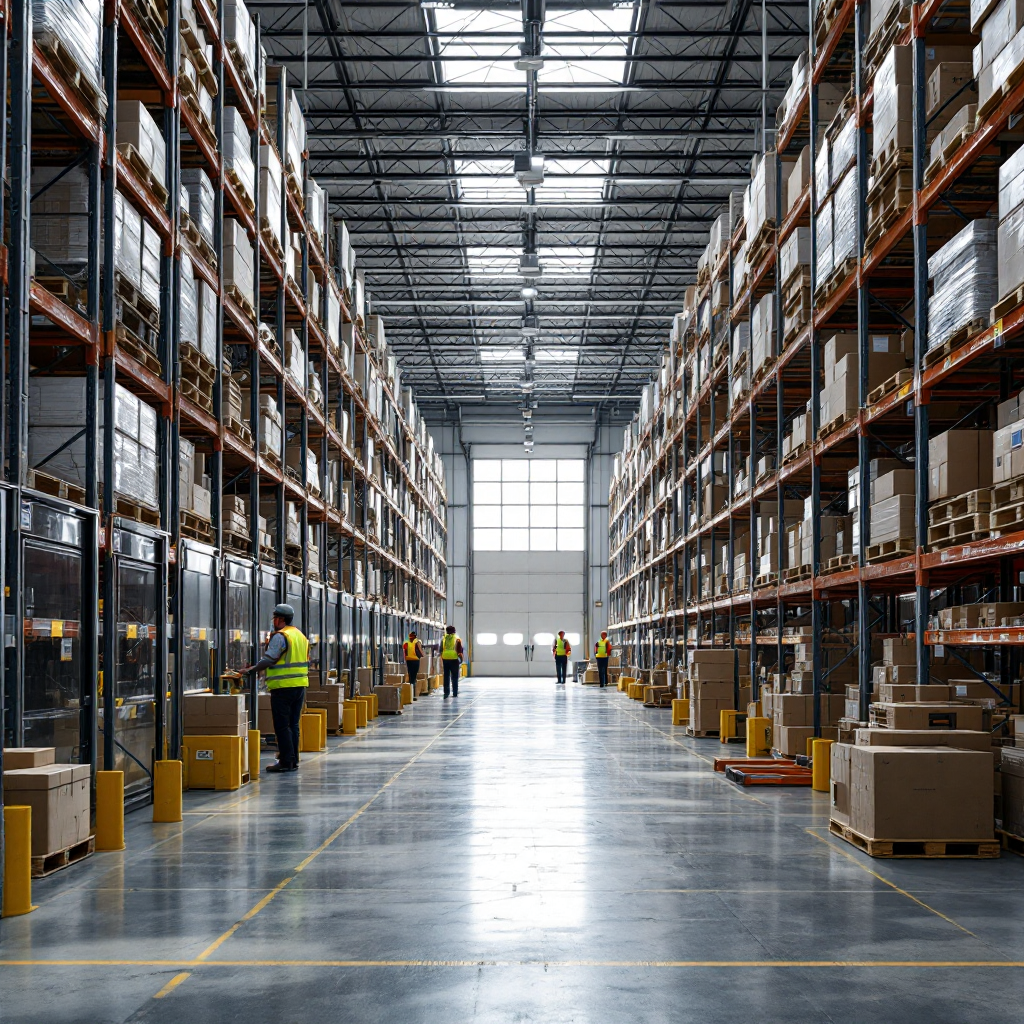
The importance of warehouse security begins with the obvious fact that warehouses store high-value goods and sensitive data. For example, inventory, spare parts, and shipment manifests all sit under one roof. Therefore, a robust security system for your warehouse must protect both physical stock and digital records. Reports show unauthorized access has driven a 30% rise in asset loss and downtime over three years, and that figure changes how operators plan security 30% rise. As a result, leaders must treat access detection as a core operational control. Doing so preserves supply-chain integrity and reduces interruptions to warehouse operations.
Today, warehouses link their Warehouse Management systems and IoT devices to networks. That link increases exposure unless a proper access control system and cybersecurity measures guard them. For instance, fragmented access codes and weak credential policies invite misuse. Therefore, implementing an access control system that logs events in real time will control access across access points and provide an audit trail. Systems provide visibility and help teams track access events. In addition, a security camera system that ties into access logs improves incident resolution and supports forensic search.
Visionplatform.ai helps teams turn existing cameras and VMS into operational sensors. In this way, companies can detect people, vehicles, and PPE in real time, and then stream events to their security stack for action. This approach keeps data on-prem and supports compliance with EU rules. For warehouses with mixed use—storage, cross-dock, and staging—this kind of system allows rapid detection of anomalies and speeds response. Consequently, the importance of warehouse protection touches safety and security, compliance, and business continuity.
security challenges
Warehouse security faces a set of persistent security challenges that require clear answers. First, tailgating and insider threats account for roughly 70% of security failures when controls are weak, and that number highlights how access control measures must limit access to sensitive areas 70% of security failures. Second, as warehouses adopt IoT sensors and WMS, cyber-physical vulnerabilities appear. Attackers can move from a single exposed device to WMS functions, which increases the risk of a security breach and operational disruption effective cybersecurity protocols.
Third, outdated protocols and poor credential management raise the odds of a security incident. For example, shared access codes and expired badges let unauthorised staff enter restricted zones. Thus, the warehouse must enforce access control solutions that expire credentials, revoke privileges, and record access events. In addition, a layered approach that combines perimeter security, cameras, and an alarm system reduces single points of failure.
Further, unique security vulnerabilities exist in areas such as automated sorters and robotic handling. Studies on cyber vulnerabilities in logistics-based IoT data show that systems use multiple communication paths, and those paths can be exploited if not secured cyber vulnerabilities detection. Therefore, operators must pair physical security with network controls. That pairing protects both the assets within the warehouse and the systems that manage them. To address potential security threats, teams should adopt routine audits, employee training, and access control measures tailored to the warehouse environment.
AI vision within minutes?
With our no-code platform you can just focus on your data, we’ll do the rest
access control systems for warehouses
Access control systems for warehouses are central to prevent unauthorized entry and to manage who moves through shared spaces. Biometric scanners, RFID badges, and layered secure entrances form the core of many effective designs. When operators implement an access control system that combines biometrics and badges, they reduce tailgating and make it harder to piggyback on a valid entry. Layered secure entrances and full-height turnstiles are practical where control access must be strict, and security experts note that layered secure entrances significantly reduce unauthorized personnel gaining access to sensitive areas layered secure entrances significantly reduce.
Concrete results back this design. Warehouses that add multi-layered access control and integrate cameras and access control report up to a 45% reduction in unauthorized entry within the first year 45% reduction. That statistic highlights why choosing a robust security system matters. In practice, a complete warehouse security system will include badge management, biometric verification, and turnstiles at high-risk access points. Access control systems can integrate with alarm system platforms and with a security camera system to provide context for each alarm.
Best practices include regular credential audits, immediate revocation of lost badges, and real-time access logging. These access control measures limit who can enter areas of the warehouse and provide a record for investigations. Also, scalable access control keeps pace with changing staffing levels and with peak operational demands. For organizations looking for the right security, balance cost and scalability, and adopt systems that are user-friendly for security personnel and operations staff. Finally, make sure access control systems can be integrated with other security systems like video analytics and perimeter security so the overall security posture improves.
surveillance system
A robust surveillance system forms the eyes and ears of any warehouse security strategy. Motion sensors and high-resolution cameras deliver 24/7 perimeter security and internal coverage. When camera systems feed live streams to analytics, teams gain immediate, actionable alerts. Systems use both fixed and PTZ cameras to cover loading bays, docks, and vulnerable areas of the warehouse. In addition, well-placed sensors and an alarm system trigger rapid checks and dispatch decisions.
AI-driven video analytics now flag anomalies in real time and improve threat identification accuracy by up to 60% AI-driven intrusion detection accuracy. This change reduces false alarms and focuses security personnel on valid incidents. For example, analytics can detect tailgating at turnstiles, vehicles entering unauthorized zones, and loitering near high-value storage. When integrated, detection systems accelerate the response to potential security threats and improve the effectiveness of the security system.
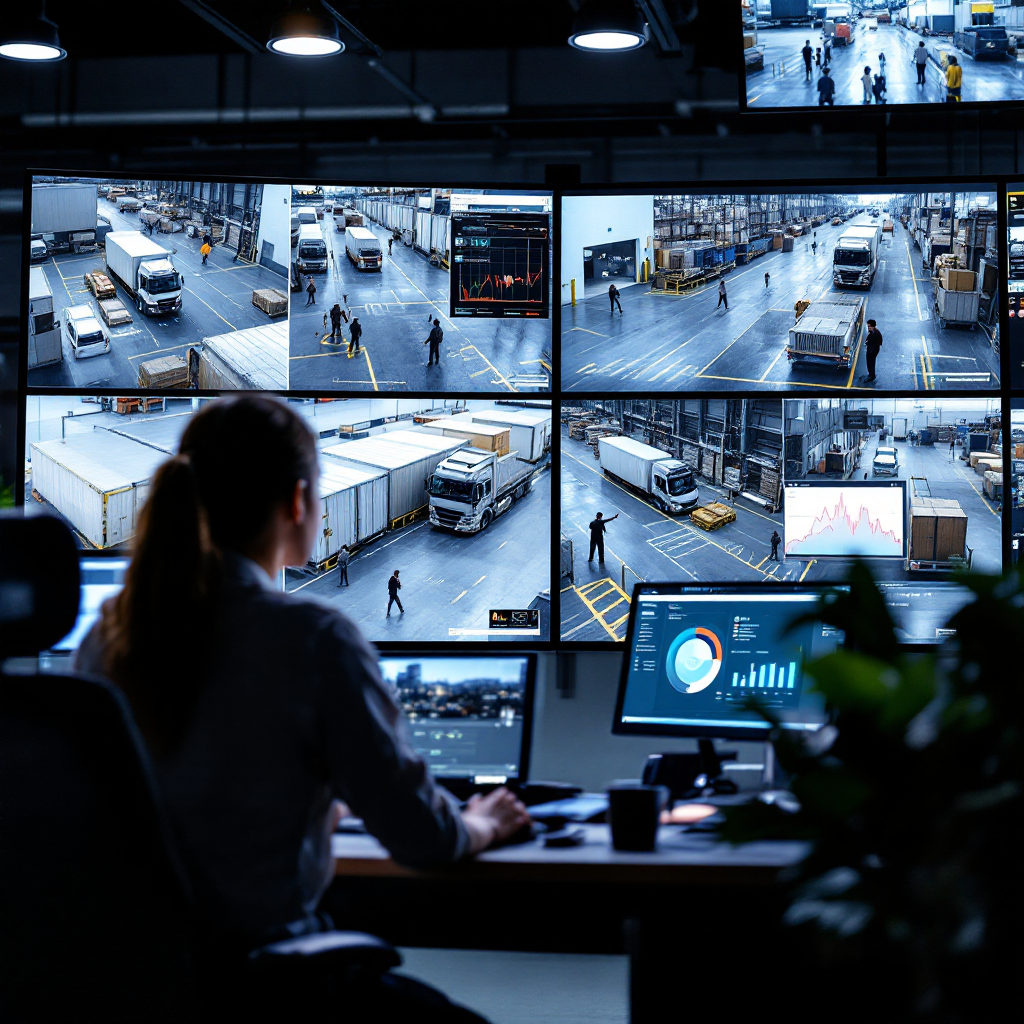
In addition, surveillance must not stand alone. Integrating cameras and access control systems helps correlate access events with video. Systems are designed to detect people and vehicles, and they can publish structured event data to operations dashboards. Visionplatform.ai enhances this approach by using existing CCTV as a sensor network, so warehouses can extend surveillance beyond traditional alarms. The platform processes video on-prem, which keeps data local and supports compliance. As a result, camera systems and analytics together lower response times and strengthen forensic review after a security incident.
AI vision within minutes?
With our no-code platform you can just focus on your data, we’ll do the rest
security infrastructure
Security infrastructure must blend physical defenses with cyber defences to protect modern warehouse security. Combine fences and controlled gates with network firewalls, encryption, and continuous monitoring. A single firewall cannot protect everything, so segment networks, isolate IoT devices, and monitor traffic patterns. This layered strategy reduces the risk that a breach in one component will cascade to the entire Warehouse Management environment.
AI and machine learning analyse patterns across CCTV, sensors, and access logs to predict incidents. These models detect anomalies before they become major problems. For instance, an unexpected access event combined with motion in a restricted zone can trigger an alarm system and notify security personnel. Systems can be set so that the system allows only approved remote access, and that remote access requires multi-factor authentication to reach control panels.
Redundancy aids resilience. Redundant power, failover servers, and secure remote access ensure rapid recovery after a security incident. Also, an effective warehouse security solution will include periodic penetration testing and routine firmware updates for cameras and sensors. Systems provide audit trails, and operators should store logs securely for incident analysis. When choosing components, select those that meet your security requirements and that integrate with existing security. In short, proper security combines physical security, network controls, and analytics. Doing so improves overall security and supports business continuity for warehouse operations.
choosing the right security system
Choosing the right security system starts with an accurate assessment of the warehouse environment, operational scale, and regulatory needs. First, map access points and identify vulnerable areas of the warehouse, such as loading docks, mezzanines, and IT rooms. Next, define security requirements and prioritize threats. This process helps you select cameras, sensors, access solutions, and a security camera system that match risk and budget.
Balance cost, scalability, and ease of use. For example, camera systems with edge analytics reduce bandwidth and central processing needs, and they can scale from a single aisle to thousands of streams. Systems for warehouses should support cameras and access control systems, and they should integrate with your VMS and your alarm system. Also, consider advanced security systems that use AI but allow model tuning on your own data. That flexibility avoids vendor lock-in and improves accuracy for site-specific rules.
Include staff training and routine penetration testing in the procurement plan. Training ensures security personnel and operations staff know how to use the system, how to respond to alarms, and how to review access events. Pen tests and periodic reviews reveal gaps in your comprehensive security system and in existing security protocols. Finally, choose a robust security system that can integrate with operations. Visionplatform.ai, for instance, streams structured detections so cameras act as sensors for both security and for warehouse management metrics. This dual use improves ROI and operational visibility. By following these steps, you can implement a comprehensive security system that limits access, reduces security risks, and supports long-term resilience.
FAQ
What is the best way to prevent unauthorized entry in a warehouse?
Start with layered physical controls such as full-height turnstiles, secure gates, and an access control system that logs entries. Then integrate cameras, motion sensors, and an alarm system so staff can detect and respond to incidents quickly.
How do AI analytics improve warehouse security?
AI analytics flag anomalies and reduce false alarms by learning normal patterns of movement and access. As a result, AI-driven detection can improve threat identification accuracy and speed up response.
Can I use existing CCTV for advanced detection?
Yes. Platforms like Visionplatform.ai turn existing CCTV into an operational sensor network that detects people, vehicles, and custom objects in real time. This approach saves cost and improves data control.
How important are credential audits?
Credential audits are critical because expired or shared access codes often lead to unauthorized access. Regular audits ensure only current staff have access and that lost badges are revoked.
What role does cybersecurity play in warehouse protection?
Cybersecurity protects the WMS and IoT devices that control material handling and inventory data. Without network segmentation, attackers can move from a single device to core systems and cause large disruptions.
How often should surveillance be reviewed?
Review surveillance configurations and event rules at least quarterly, and after any major operational change. Routine reviews ensure that cameras cover vulnerable areas of the warehouse and that analytics remain tuned to current activity.
What are common vulnerabilities in warehouse IoT?
Common vulnerabilities include default credentials, unpatched firmware, and unsegmented network access. These gaps allow attackers to reach WMS or to tamper with sensors, so strong security protocols must be enforced.
Do security systems for warehouse need to integrate with operations?
Yes. Integration lets camera events feed dashboards, OEE metrics, and BI tools, which helps both security and operations teams. This integration increases the value of the security investment.
What is the value of periodic penetration testing?
Pen tests simulate attacks to reveal weak points in access control, network, and device configurations. Fixing issues found during testing reduces the chance of a successful security breach.
How do I choose a warehouse security solutions provider?
Look for vendors that support on-prem processing, flexible model strategies, and easy integration with your VMS. Also, prefer solutions that let you own your data and that align with your security strategy and compliance needs.