video intelligence and ai-enhanced video surveillance
Video intelligence defines the practice of converting raw footage into meaningful, searchable knowledge. First, it extracts events, objects, and behaviours from recorded video. Then, it connects those events to procedures and people. Visionplatform.ai applies this approach to move control rooms from isolated detections to AI-assisted operations. The result: operators get context, reasoning, and decision support instead of a flood of unverified alarms.
AI algorithms power object recognition and behavioural analysis across many cameras. For example, modern models perform object detection and track people or vehicles in real time. These AI models spot loitering, intrusions, and PPE violations with high precision. John Smith at Iveda explains that integrating analytics with access logs yields a comprehensive situational awareness that was previously unattainable source. Visionplatform.ai adds a reasoning layer so that detections become explanations and recommended actions. This on-premises design keeps sensitive video data under customer control, which helps remain compliant with regional regulations and the EU AI Act.
Benefits for video surveillance include faster threat detection and improved situational awareness. Operators receive contextual summaries rather than raw clips. Consequently, teams can make informed decisions faster and reduce cognitive load. In one report, AI video analytics can reduce false alarms by up to 90%, which lowers operator fatigue and operational cost source. In short, video intelligence takes video content beyond storage. It enables searchable history, natural-language forensic search, and guided response workflows. For practical examples, see our forensic search work that helps find incidents quickly across hours of video forensic search in airports.
real-time analytics: key features and dashboard
Real-time analytics power instant detection, verification, and response. Motion detection, facial recognition, and crowd counting run continuously on streams from IP CAMERAS and NVRS. These functions support incident response and risk reduction. The dashboard presents one view of live feeds, alerts, and metadata so security teams can act quickly.
Key features include automated tagging, heat-mapping, and metadata extraction. The system creates metadata that indexes events and makes recorded video searchable. Furthermore, automated clip creation reduces time spent cutting footage for investigations. The dashboard provides customisable widgets, AI-powered search, and instant reporting. Operators can see occupancy trends, intrusion attempts, and restricted areas at a glance. For crowd management examples, our crowd detection and density tools show how to manage peak flows in transport hubs crowd detection and density. Additionally, the dashboard supports annotation, contextual notes, and role-based permission for audit trails.
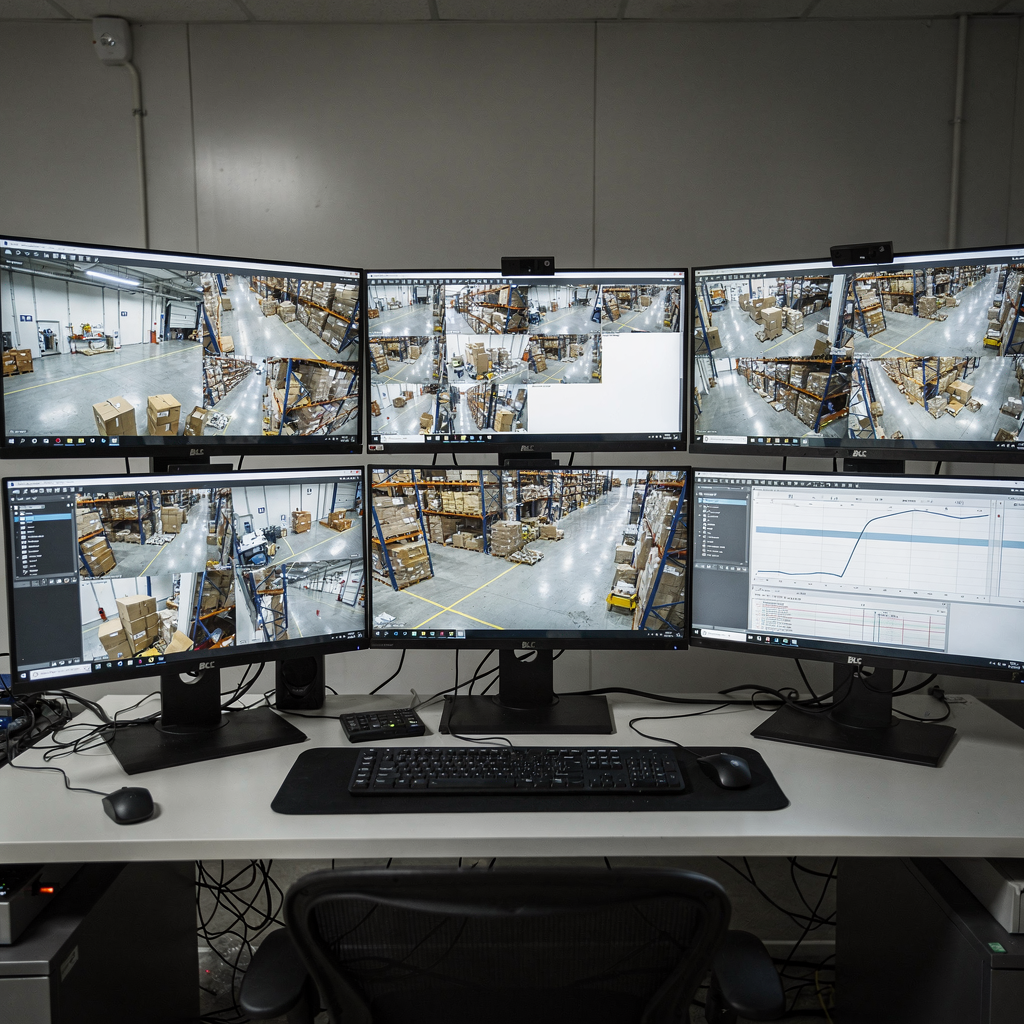
The central dashboard acts as the operational nerve centre. It can ORCHESTRATE alerts to security teams and trigger workflows. Dashboards expose end-to-end event context, so operators do not switch between systems. This streamlines video management across multiple sites and reduces mean time to respond. In sum, a well-designed dashboard turns VIDEO PROCESSING into actionable information and makes it simple to benchmark performance and uptime.
AI vision within minutes?
With our no-code platform you can just focus on your data, we’ll do the rest
unify video management through integration for critical infrastructure
Organizations must unify video management across multiple sites to protect distributed assets. Critical infrastructure such as energy grids, transport networks, and utilities rely on consistent monitoring and quick response. By integrating with access control, IoT sensors, and building systems, a single platform provides a holistic view. This integration reduces siloed workflows and gives security and operational teams correlated insights.
Integration links video surveillance to physical security systems so that a badge event can automatically pull related camera timelines. The VP Agent Suite exposes VMS events and access logs as structured data for agents to reason over. For example, when an intrusion is detected near a perimeter, the system correlates sensor values, camera observations, and recent recorded video to verify the event. This correlation lessens false alerts and improves response quality.
Critical infrastructure benefits from this software-defined approach. It enhances resilience by enabling automated incident response and faster recoveries. Also, unifying video and other telemetry supports compliance and operational continuity. For airports, integrated functions like intrusion detection and unauthorized access tracking help protect restricted areas; see our work on intrusion detection in airports intrusion detection in airports. Moreover, integrating ANPR/LPR and gate control helps manage vehicle flows and reduce congestion vehicle detection and classification.
proactive video analytics and alert to minimise downtime
Proactive video analytics spot anomalies before they escalate. AI-powered models detect unusual motion patterns, tamper attempts, and threshold breaches in equipment zones. These systems continuously refine detection logic with supervised learning and machine learning feedback loops. As a result, control rooms can identify potential threats and operational faults quickly.
Automated alert workflows notify security teams and operations staff based on verified context. For instance, when a camera reports an occlusion, the system generates a ticket and suggests a remediation path. When multiple signals indicate a likely system failure, the platform can pre-fill incident reports and escalate to maintenance teams. This orchestration reduces downtime and improves asset uptime. Industry data shows AI video analytics can cut false alarms by up to 90%, which directly reduces wasted response time and unnecessary patrols source.
Quantifying impact matters. Lower false alarms mean fewer interruptions and preserved uptime. Automated workflows shorten mean time to repair and help maintain service continuity. visionplatform.ai supports on-premises deployment, which keeps video and models inside a secure environment while offering agent-driven actions to close routine incidents automatically. In practice, operators get actionable information, guided next steps, and the option to let VP Agent Auto handle low-risk scenarios. These capabilities reduce manual effort, speed incident response, and enhance safety during critical operations.
AI vision within minutes?
With our no-code platform you can just focus on your data, we’ll do the rest
use cases to transform traditional security with video intelligence
Use cases show how video intelligence helps many sectors. In retail, AI improves theft prevention and queue management. Cameras combined with object detection and occupancy analytics identify shoplifting patterns and optimise staffing. Forensic search and clip creation accelerate loss investigations. Our people-counting and heatmap occupancy analytics support merchandising and layout optimisation people counting.
In transport, video intelligence enhances passenger safety and incident response. Video AI performs crowd analysis, supports incident response, and flags unattended objects. For airports, weapon detection and perimeter breach detection reduce risk in restricted areas; see our perimeter solutions perimeter breach detection in airports. Video content becomes a live sensor for operational teams. By combining VMS events with AI-powered search and natural-language forensic tools, operators find relevant content quickly across hours of video.
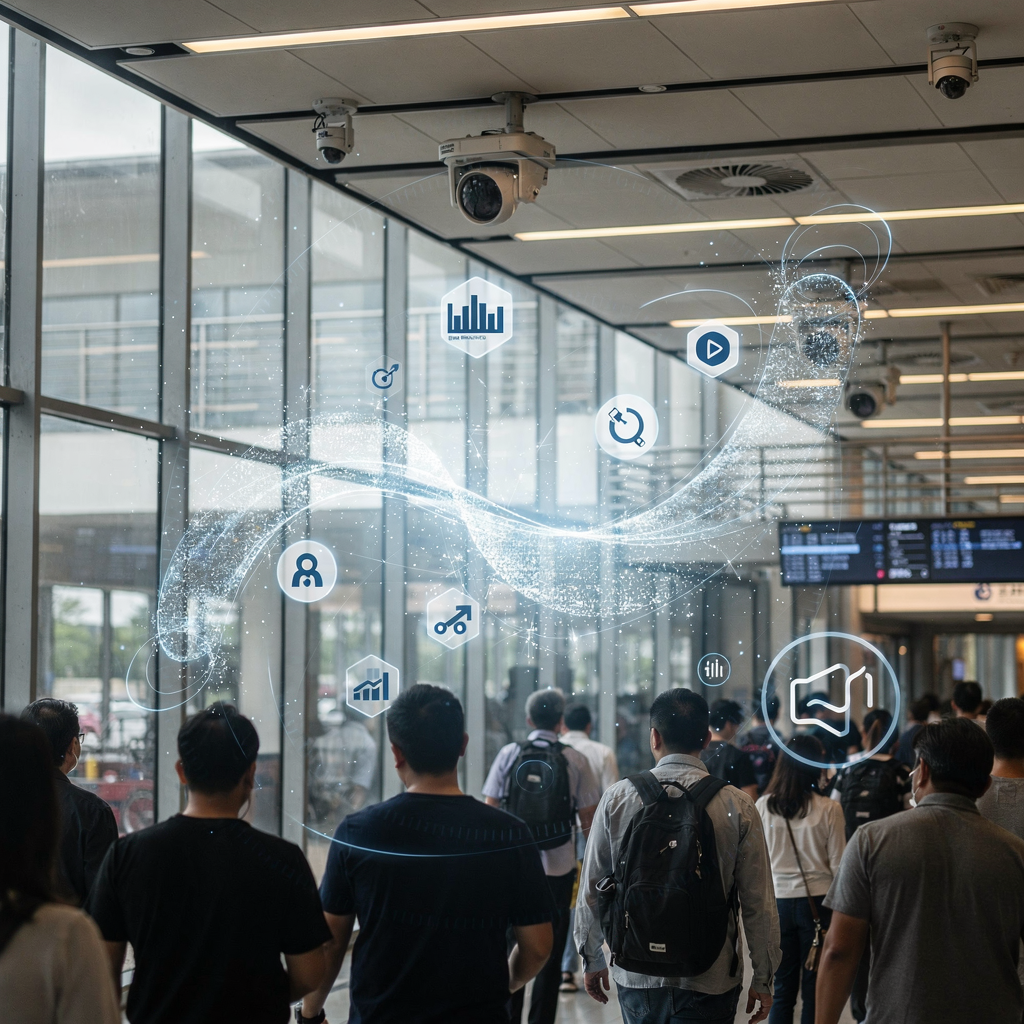
Smart cities and campuses use unified video to manage traffic, protect perimeters, and ensure compliance. Edge devices and on-premises processing minimise latency and support privacy requirements. Integrated systems provide a single audit trail for video retention, annotation, and permission management. Overall, these use cases show how unified video and AI-powered video platforms transform traditional security into data-driven, operational systems. They empower security teams to detect potential threats early and make informed decisions quickly.
latest in video: ai and analytics shaping future security
Latest in video trends point to edge AI processing, 5G connectivity, and federated learning. Edge DEVICES reduce bandwidth and deliver faster verification at the source. Meanwhile, cloud-native orchestration and open APIs let organizations scale across sites without vendor lock-in. Platforms are moving toward software-defined architectures that blend on-premises control with remote orchestration for hybrid deployments.
Advanced analytics include predictive behaviour modelling and anomaly detection. These models learn normal patterns and flag deviations. Systems then correlate alerts with access logs and other telemetry to refine thresholds. This convergence of AI, machine learning, and IoT enables richer contextual verification. For teams, that means fewer false positives and clearer incident prioritisation. Gartner notes that unified platforms combining video analytics with other data streams empower both security and marketing professionals to act faster source.
Next-generation unified platforms will be cloud-native while preserving the option for on-premises processing. They will offer open APIS, end-to-end orchestration, and agent-ready inputs for automated reasoning. visionplatform.ai focuses on the reasoning layer: VP Agent Search, VP Agent Reasoning, and VP Agent Actions turn detections into explanations and recommended actions. By applying AI-powered search and contextual reasoning, organisations can continuously refine model performance and operational workflows. Ultimately, this helps enhance safety, reduce risk, and benchmark security and operational KPIs for ongoing improvement.
FAQ
What is video intelligence and how does it differ from basic video analytics?
Video intelligence converts raw footage into searchable descriptions and contextual insights. Basic video analytics might only detect motion or count objects, while video intelligence explains what happened and why it matters. It therefore provides actionable information that supports faster decisions and incident response.
How does AI improve video surveillance accuracy?
AI models perform object detection and behavioural analysis that reduce false positives. They also correlate video with other data sources to verify an event. As a result, operators receive fewer unnecessary alerts and can focus on genuine incidents.
Can unified video platforms work across multiple sites?
Yes. Unified platforms integrate VMS, access control, and IoT so that teams get a single view across multiple sites. This streamlines video management and enables consistent policy enforcement and incident orchestration.
Are there privacy or compliance benefits to on-premises deployment?
On-premises deployments keep video data, models, and reasoning inside the organisation. This helps meet data residency and EU AI Act requirements while reducing cloud exposure. Visionplatform.ai offers on-premises options to maintain control and compliance.
What are common use cases for transport and airports?
Transport use cases include crowd management, passenger safety, and incident response. Airports use features like perimeter breach detection, ANPR, and forensic search to protect restricted areas and speed investigations. See our perimeter and vehicle detection resources for examples.
How do dashboards help security teams?
Dashboards provide one view of live feeds, metadata, and alerts so teams can act quickly. They support custom widgets, instant reporting, and AI-powered search for rapid forensic work. This reduces the need to switch between systems and improves situational awareness.
What role do edge devices play in future video systems?
Edge devices enable low-latency processing and reduce bandwidth by analysing video at the source. They support deployment models that balance cloud scalability with local control. This is especially useful for critical infrastructure where uptime and compliance matter.
How much can AI reduce false alarms?
Industry reports show AI video analytics can reduce false alarms by up to 90%, which lowers operator workload and response costs source. Combining AI with contextual reasoning further cuts noise and improves accuracy.
What is the benefit of AI-powered search for recorded video?
AI-powered search makes hours of video searchable with natural language queries. Instead of manually scanning footage, operators can find relevant clips by describing incidents. This accelerates investigations and supports data-driven decision-making.
How do unified platforms support incident response automation?
Unified platforms correlate video, access logs, and sensor data to verify incidents and trigger workflows. They can pre-fill reports, notify teams, and execute remediation steps. This orchestration reduces manual tasks and improves response consistency.