AI vision: overview of visionplatform.ai and Vaidio
AI vision platforms now power more operational workflows than ever before. visionplatform.ai launched in 2023 in Rotterdam and focuses on no-code, edge-capable systems that let businesses build and deploy AI in minutes (Tracxn). Vaidio takes a different tack. It concentrates on advanced video analytics and deep analytics backends for surveillance, retail, and industrial monitoring (Vaidio vs Visionplatform.ai). Both platforms turn video streams into actionable insights. Both aim to solve the same core problem: too much raw video and too few decisions.
visionplatform.ai targets control rooms and security teams by adding reasoning and AI agents to existing camera and VMS deployments. Its mission states that cameras should become sources of understanding, not just alarms. The company emphasizes on-prem processing, search over recorded feeds, and rapid time-to-value (visionplatform.ai). Vaidio, in contrast, positions itself as an analytics platform with deep video analytics expertise and more traditional cloud-based deployments.
Company size and funding differ. visionplatform.ai is a young, unfunded team that competes with players like DirectAI and DevisionX (Tracxn). Vaidio’s public profile is smaller on funding details, but its market presence shows more established enterprise use. For businesses choosing an ai platform, the decision often hinges on technical skills available, preferred deployment model, and the need for AI agents that assist operators in real time.
For example, visionplatform.ai markets fast installation and accessible workflows for users without coding skills. They claim that “Anyone with or without coding knowledge can now start or go faster with visionplatform.ai,” which illustrates the accessibility focus (FeaturedCustomers). Meanwhile, organizations that need deep analytics and a cloud analytics stack may prefer Vaidio. Both platforms target operational problems. Both aim to convert raw video into operationally actionable outputs for security, retail, and industrial sites.
AI-powered video analytics and intelligent video analytics capabilities
Both platforms rely on machine learning and AI algorithms, but they differ in emphasis. Vaidio focuses on tailored models for complex video analytics tasks. That includes object detection, multi-object tracking, and classification optimized for surveillance and retail. visionplatform.ai pairs ready-made computer vision models with the ability to create custom ai models, and it layers a Vision Language Model for search and reasoning. This combination supports forensic search and natural language queries across recorded feeds.
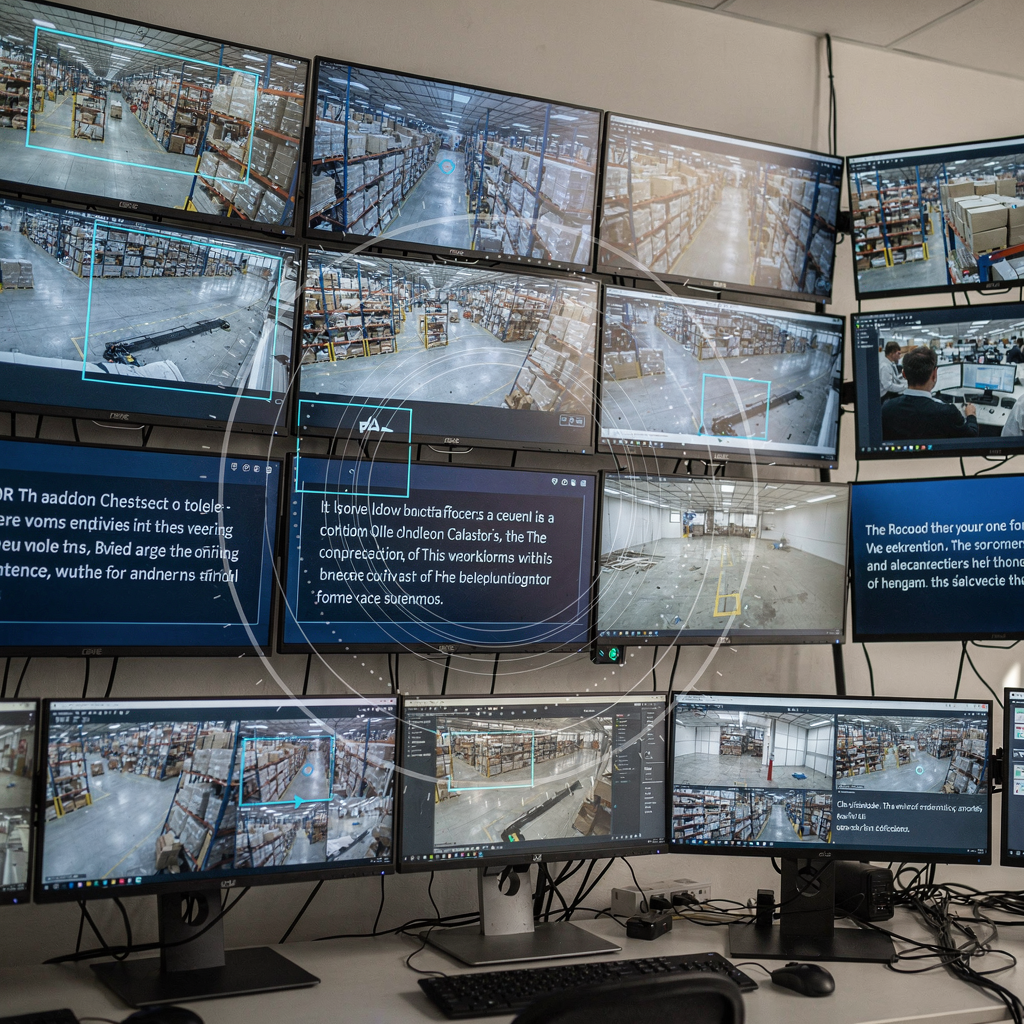
When comparing object detection, tracking, and classification features, both platforms offer core capabilities. Vaidio shines in deep analytics pipelines for perimeter monitoring and behavior analytics. visionplatform.ai specializes in high-fps processing on edge devices and tight VMS integration. The latter reduces latency and keeps sensitive video data on-premises. The platform supports custom ai models, enabling teams to retrain and improve models using site-specific footage.
Under the hood, both vendors use machine learning models and computer vision models. They deploy machine learning models for detection, tracking, and anomaly spotting. The difference shows in orchestration. Vaidio often operates as an analytics backend in the cloud. visionplatform.ai blends edge devices and on-prem servers with centralized management. That mix allows the platform to process high frame-rate video streams locally, and then surface events, summaries, and contextual descriptions to operators.
Intelligent video analytics require careful system design. Forensic search, for example, benefits from a Vision Language Model and indexed descriptions of raw video. visionplatform.ai provides forensic search functions that turn image and video analysis into human-readable text and searchable events (forensic search). This capability helps security teams find incidents faster. It also supports integration of ai with existing VMS and workflows so operators can act on meaningful alerts rather than sifting through countless detections.
AI vision within minutes?
With our no-code platform you can just focus on your data, we’ll do the rest
real-time AI video processing for operational efficiency
Real-time detection matters in security and operations. visionplatform.ai stresses edge computing and high fps video streams to reduce latency and bandwidth. The platform allows users to process continuous video locally, which improves responsiveness and reduces cloud dependency (Inside Unmanned Systems). Vaidio typically uses cloud analytics and powerful backends for deep analytics. That model can scale, but it increases round-trip time for live alerts.
Frame-per-second performance and latency directly affect operational efficiency. visionplatform.ai supports high fps streams on edge devices such as NVIDIA Jetson, enabling rapid detection and near real-time responses. Edge devices reduce bandwidth and keep video data inside facilities. This design supports EU AI Act compliance for local processing and privacy-sensitive operations. For many clients, the ability to maintain low latency while preserving data control is a deciding factor.
Data privacy and uninterrupted operations go hand in hand. Processing at the edge saves network costs and avoids sending raw video to third-party clouds. It also reduces the chance of video loss during outages. As a result, security teams and operators gain more consistent situational awareness. The platform’s VP Agent Suite builds a reasoning layer that verifies alarms and provides contextual explanations, which reduces cognitive load during busy shifts.
For sites such as airports or critical infrastructure, the need for better situational awareness is paramount. visionplatform.ai provides integrations that improve situational awareness and allow operators to search video history using natural language. This approach helps reduce manual review time and supports faster, more accurate decisions. At high-volume sites, automated verification and recommendations cut response times and allow teams to scale monitoring without linear staffing increases.
use case insights: critical infrastructure to retail
AI vision and intelligent video analytics span many use cases. For critical infrastructure, systems must detect perimeter breaches, unauthorized access, and anomalies that could indicate threats. visionplatform.ai explicitly lists critical infrastructure among its focus areas and supports perimeter detection with on-prem processing to protect sensitive footage. For airports, the platform offers forensics and operational features that map directly to everyday security needs (perimeter breach detection).
In retail, ai-powered video analytics help with loss prevention and customer behaviour analysis. Analytics can detect shoplifting, track dwell time, and produce heatmaps for merchandising. visionplatform.ai supports people counting and crowd density use cases that feed KPIs and improve checkout flows (people counting). These insights also support operational efficiency across stores and terminals.
Industrial monitoring relies on machine learning models for PPE detection, process anomaly detection, and slip-and-fall alerts. For example, PPE detection can ensure compliance on factory floors and reduce workplace incidents (PPE detection). Process anomaly detection spots deviations in conveyor belts or container numbers and triggers early maintenance. AI helps detect patterns that humans miss. It also automates repetitive monitoring tasks, freeing operators to focus on exceptions.
Across these sectors, the same benefits appear: faster incident verification, fewer false alarms, and actionable alerts that guide response. visionplatform.ai’s VP Agent Reasoning correlates video analytics with VMS events and access control systems to explain why an alarm matters. This reduces false alarms and improves operator efficiency. The platform thus converts raw video into operational insight and supports workflows that directly impact safety, compliance, and revenue.
AI vision within minutes?
With our no-code platform you can just focus on your data, we’ll do the rest
seamless deploy and integrating AI with VMS through an AI agent
Deploying AI should be straightforward. visionplatform.ai advertises build and deploy cycles that can complete in under 10 minutes for standard setups (visionplatform.ai). That speed comes from a no-code interface and pre-packaged integrations. The platform also supports advanced custom ai models and retrain workflows when site-specific accuracy is required. Teams can use a pre-trained model, improve it with local data, or build a model from scratch.
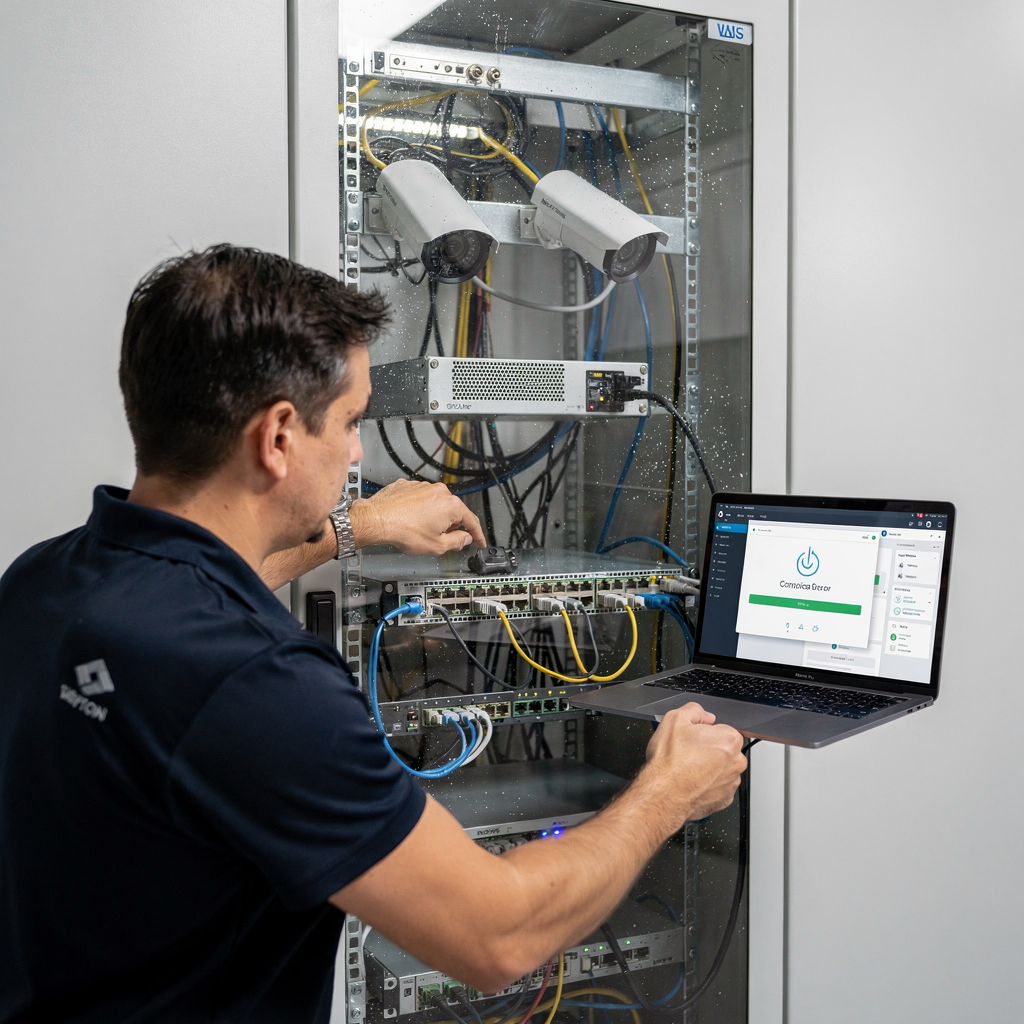
Integration with existing VMS is a core capability. visionplatform.ai integrates with leading VMS and exposes VMS data as a datasource for AI agents. The Milestone VMS AI Agent, for example, turns XProtect events into real-time inputs for reasoning agents. This enables automated workflows and shared situational data between the VMS and the AI layer. The platform supports MQTT, webhooks, and APIs so alerts stream into dashboards, BI tools, and operational systems.
An ai agent can verify an alert and suggest or execute actions. The VP Agent Actions feature fills incident reports, closes false alarms with justification, and triggers downstream procedures. This reduces manual steps and speeds the incident lifecycle. For many operators, that translates to operational efficiency and measurable workload reduction.
Deployment choices matter. visionplatform.ai offers both cloud and on-prem deployment modes, and it scales from edge devices to GPU servers. The design keeps video, models, and reasoning inside the customer environment by default. This architecture addresses concerns about vendor lock-in and data sovereignty, especially in regions governed by the EU AI Act. In practice, teams deploy ai on-site, connect their VMS, and then let the AI agent enrich events with context and recommended actions.
best AI tools for video intelligence and free consultation options
Choosing the best ai tools depends on budget, use cases, and compliance requirements. visionplatform.ai positions itself as a computer vision platform that balances ease of use with advanced capabilities. The platform includes ai software for detection, a Vision Language Model for natural language forensic search, and the VP Agent Suite for reasoning and actions. If you need a trial or demo, visionplatform.ai often offers a free consultation to discuss site constraints and integration paths.
Price transparency varies across vendors. Some offer tiered subscription models based on streams, edge devices, or features. visionplatform.ai’s no-code approach and fast time-to-live make it appealing for pilots. For larger deployments, custom ai models and on-prem installations are available. When evaluating options, look for clear support channels, demo access, and the ability to retrain models with your own data.
Key criteria include integration of ai with your VMS, the ability to build and deploy custom ai models, and guarantees around data residency. Also evaluate whether the vendor provides conversational ai or agent features that can improve situational awareness and reduce manual review. For operational teams, the best ai delivers actionable alerts, forensic search, and automated workflows that reduce operator load and improve response quality.
Finally, request a free consultation and a pilot that exercises your highest-risk scenarios. Ask for metrics such as deployment time, detection accuracy, and how the platform reduces false alarms. With these data points, security and operational leaders can select the right video analytics platform to meet business and compliance goals.
FAQ
What is the main difference between visionplatform.ai and Vaidio?
visionplatform.ai emphasizes no-code deployment, edge processing, and AI agents that add reasoning on top of detections. Vaidio focuses more on deep cloud-based video analytics for surveillance and retail. The two offer overlapping features, but they differ in deployment and targeting of operational workflows.
Can visionplatform.ai run on edge devices?
Yes. visionplatform.ai supports edge devices such as NVIDIA Jetson and on-prem GPU servers. This enables high fps video streams to be processed locally and helps preserve data residency and reduce bandwidth.
How quickly can I deploy visionplatform.ai in a pilot?
Visionplatform.ai advertises fast deployment times and states that simple deployments can be live in under 10 minutes (visionplatform.ai). Real-world pilots depend on integration complexity and the number of streams.
Does visionplatform.ai integrate with existing VMS platforms?
Yes. visionplatform.ai integrates with leading VMS and exposes events for AI agents. The Milestone VMS AI Agent is an example that exposes XProtect data as a real-time datasource for reasoning and actions.
Will AI reduce false alarms at my site?
AI can reduce false alarms when it verifies events using multi-source context and reasoning. visionplatform.ai’s VP Agent Reasoning correlates analytics with VMS and other systems to explain alerts and reduce false alarms.
Is the solution compliant with EU regulations?
visionplatform.ai offers on-prem processing and designs its architecture to support EU AI Act alignment. Keeping video and models inside the environment helps meet data residency and auditability needs.
Can I retrain models with my own data?
Yes. visionplatform.ai supports custom ai models and retrain workflows. You can use pre-trained models, refine them with your footage, or build models from scratch to match site-specific needs.
What support options are available during deployment?
Vendors typically offer technical support, onboarding, and professional services for integrations. visionplatform.ai also provides demos and a free consultation to map requirements and deployment paths.
How does forensic search work?
Forensic search converts video into human-readable descriptions using a Vision Language Model so operators can search history with free-text queries. This approach speeds investigations and reduces time to find relevant clips (forensic search).
How do I choose the best AI platform for my site?
Start by defining your use case, compliance needs, and existing systems. Evaluate integration with your VMS, support for edge devices, the ability to build and deploy custom ai, and whether the vendor offers a free consultation or pilot. Collect deployment and accuracy metrics in a short trial to inform the final decision.