Introduction to AI and LPR: Core Concepts
First, this chapter defines AI for CCTV surveillance and LPR fundamentals in clear terms. AI stands for Artificial Intelligence. It enables systems to analyse video, recognise patterns, and prioritise events. Also, AI helps control rooms move from raw alerts to context and decisions. For example, visionplatform.ai turns existing cameras and VMS systems into AI-assisted operational systems that “explain what happened, why it matters, and what to do next.” This gives operators faster, clearer outcomes and reduces manual steps.
Next, license plate recognition is the automated process that reads characters on a plate and converts them into text. Known also as automatic number plate recognition, this technology uses image processing, optical character recognition, and pattern matching. In practice, a LPR camera captures an image, the software isolates the plate, and then the system reads the characters. As a result, operators can search for vehicle license plates quickly and with a searchable history.
Then, note how AI algorithms improve plate reads under changing conditions. AI models correct distortions, compensate for low light, and separate plates from background clutter. Indeed, “Vehicle detection is defined as an essential task in Intelligent Transport Systems that involves the use of various sensors, including video cameras” [ScienceDirect]. Therefore, modern systems pair a high-performance camera with trained models to capture license plate data across angles, motion blur, and weather.
Also, public safety depends on reliable detection and clear procedures. For example, areas monitored by CCTV have recorded crime drops; one study found a 51% decrease in crime in monitored parking lots. However, trust matters. As noted, “Safety is a major pillar for the success of any new technology” [PMC]. Therefore, systems must be designed for transparency, data protection, and operator control. Finally, this chapter sets the stage for hardware, software, and operational choices discussed next.
Key Components of a Camera System and LPR Camera
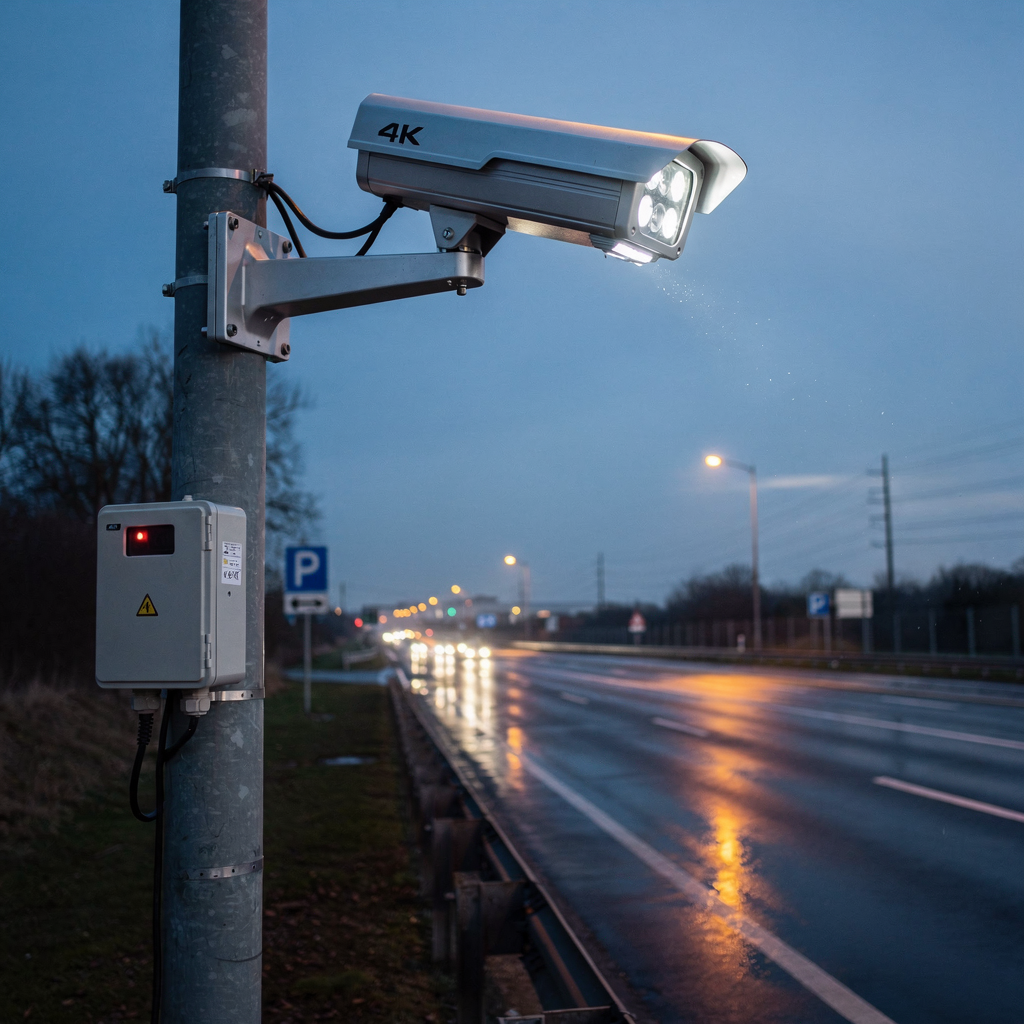
First, a reliable camera system combines hardware and software to capture usable images for license plate recognition. The hardware includes a high-resolution camera body, lens choices, IR illumination for night vision, and sturdy mounts for stable imaging. Also, sensor quality and shutter speed matter because they reduce motion blur and improve plate reads at speed. For example, a 4k camera with adjustable shutter and a high-quality lens will capture more detail at a distance.
Next, LPR camera features should focus on image clarity and predictable performance in low light. A LPR camera often includes IR illumination, WDR (wide dynamic range), fast shutter control, and low-noise sensors. In addition, some units include built-in ANPR/LPR processing at the edge. These features reduce the need to stream raw video off site and allow the system to capture license plate characters more reliably even at night.
Then, integration with existing security camera and VMS infrastructure is essential. Systems must integrate via ONVIF, RTSP, or vendor APIs so that events, metadata, and video footage flow into control room workflows. For instance, visionplatform.ai offers seamless integration with leading VMS platforms and exposes events via MQTT and webhooks. This enables operators to view live streams, search history, and act on alerts without switching tools.
Also, mounting and orientation decisions influence read rates. Cameras placed at a consistent angle to plate lanes, with illumination balanced, deliver optimal results. Install cameras where sightlines are clear, and avoid obstructions. Finally, maintenance matters: clean the lens regularly, update firmware often, and verify time sync. These practices help keep plate reads high and false positives low. For additional technical context on airport deployments and vehicle detection, see the platform’s pages on ANPR / LPR in airports and vehicle detection & classification in airports.
AI vision within minutes?
With our no-code platform you can just focus on your data, we’ll do the rest
Video Security and Surveillance: AI Video with Vehicle Cameras
First, AI video analytics transforms surveillance by adding context to images. Where traditional CCTV merely records, AI video can identify make, model, and colour, and tag events for instant search. Also, analytics reduces the time operators spend hunting through hours of video footage. For example, a system that converts video into text descriptions allows forensic search queries like “red truck entering dock area yesterday evening”, which speeds investigations and yields actionable results.
Next, compare traditional surveillance versus AI-enabled vehicle cameras. Traditional systems depend on human review, which can take hours per incident. In contrast, AI-enabled systems flag relevant clips, produce plate reads, and create metadata that is searchable. Therefore, operators can pinpoint incidents, extract evidence, and hand verified clips to police faster. Indeed, studies show that parking lots monitored by CCTV can see up to a 51% reduction in crime, which underscores the deterrent and investigative value.
Then, vehicle intelligence improves with combined sensors. AI models trained on diverse datasets increase plate reads and reduce false alarms. Additionally, systems like Rekor and other ANPR providers contribute specialised analytics for plate reads and vehicle classification. However, an end-to-end approach that keeps video on-premises and integrates reasoning layers elevates usefulness. For instance, visionplatform.ai adds a Vision Language Model that turns video into human-readable descriptions, enabling operators to find events without memorising camera IDs.
Also, reliable video and good illumination matter. When lighting, lens selection, and shutter settings are optimised, plate reads increase dramatically. Finally, this shift from passive recording to AI-assisted monitoring enhances public safety, streamlines workflows, and lets teams focus on exceptions rather than routine review.
Real-time Alerts, License Plate Recognition and License Plate Reader in Investigations
First, a strong workflow begins with real-time detection. AI models analyse streams and trigger real-time alerts when a match occurs for a watchlist or a stolen vehicles notification. Then, operators receive a clear notification with the plate read, a snapshot, and a link to the related video footage. This lets teams act quickly and hand verified evidence to police or security teams.
Next, accuracy rates depend on hardware, models, and environment. A well-tuned LPR system will deliver high plate reads with low false positives by using multi-frame aggregation and confidence thresholds. Also, features like plate normalization, character confidence, and cross-camera correlation help when a vehicle moves across multiple fields of view. In practice, plate reads can be verified in seconds so the vehicle is identified and tracked through a location history.
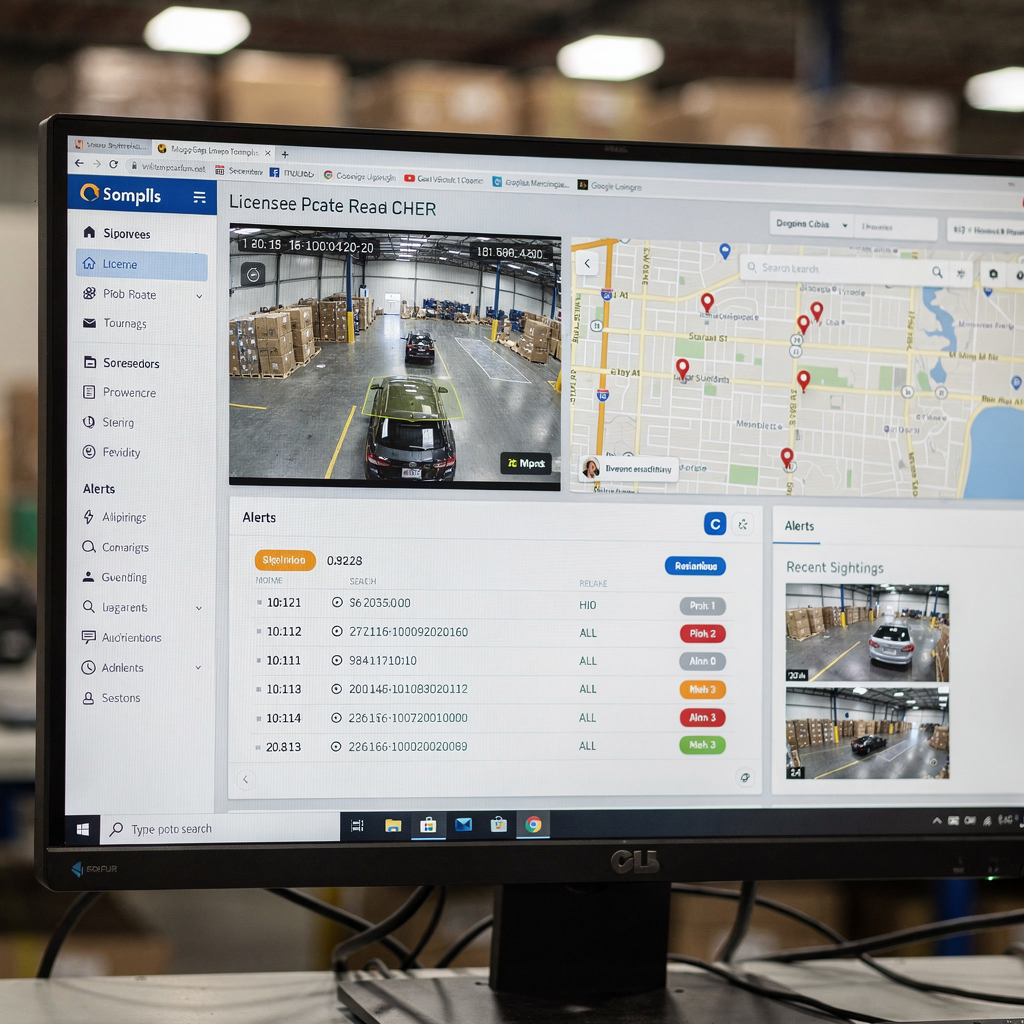
Then, the license plate reader module supports investigations by providing searchable logs, exportable clips, and a timeline of sightings. Investigators can filter by date, plate pattern, make, or colour. In addition, software to extract timestamps and GPS data from each record makes case building faster. Consequently, teams avoid hours spent scrubbing video when they can query a searchable database for the exact moments they need.
Also, privacy controls and access control policies ensure that only authorised staff view sensitive records. For example, retention policies limit how long footage is kept, and role-based controls restrict export privileges. Importantly, systems that integrate with police databases or third-party watchlists must handle data sharing under clear agreements. Finally, for real scenarios, a dashboard that links plate reads to video and operational steps keeps response teams coordinated and effective.
AI vision within minutes?
With our no-code platform you can just focus on your data, we’ll do the rest
Implementing Fleet Cameras and Skeyevue LPR System
First, fleet cameras provide visibility across a vehicle fleet for operations and loss prevention. Fleet cameras stream events, record journeys, and feed plate reads back to a central system. Also, fleet cameras help managers monitor driver behaviour, spot theft attempts, and reconcile logistics. Deploying fleet cameras with edge ANPR reduces bandwidth by sending only metadata and clips for events.
Next, the SkeyeVue platform brings an enterprise-level LPR system together with a dashboard, alert management, and reporting tools. SkeyeVue collects plate reads, stores sighting history, and produces reports for audits. In addition, the platform supports view live and live streaming for supervisors who need immediate situational awareness. Importantly, SkeyeVue can integrate with third-party databases and police watchlists when legal frameworks permit.
Then, integration with visionplatform.ai enhances these capabilities by adding reasoning, search, and automated actions. The VP Agent Suite turns plate reads into context, correlates them with access control logs, and recommends actions. For example, when a plate read matches a stolen vehicles list, the system can flag the event, attach supporting video footage, and suggest next steps for security teams. This reduces time to act and improves consistency in responses.
Also, choosing the right sensors and installation plan is critical. Use durable mounts, IR illumination for night shifts, and cameras with adjustable shutter settings for highway speeds. Moreover, plan maintenance cycles, firmware updates, and periodic calibration of the lens and sensor systems. Finally, ensure that your LPR system is scalable, supports on-prem data retention, and offers audit logs to meet compliance and operational requirements.
Frequently Asked Questions (FAQs) on Camera, Footage, Vehicle and License Plate Handling
First, this section answers common operational and compliance questions to help teams plan deployments. For further operational uses such as forensic search, see the detailed airport forensic search resource at forensic search in airports. Also, for deployment tips specific to people or perimeter detection, explore related resources like perimeter breach detection pages.
Frequently asked questions below focus on data retention, privacy safeguards, performance expectations, and maintenance best practices. These FAQs are designed to be clear and practical for security teams, fleet managers, and compliance officers who want immediate guidance on LPR projects.
FAQ
How long is footage stored and who can access it?
Retention varies by policy and law, but most organisations store footage only as long as needed for operational or legal purposes. Access controls and role-based permissions ensure only authorised personnel can view or export surveillance footage.
How does the system protect privacy and comply with GDPR?
Systems enforce minimisation, retention limits, and audit trails to meet GDPR and local rules. Additionally, on-prem processing and anonymisation options reduce the need to share raw video with third-party services.
What read rates can we expect from an LPR camera?
Read rates depend on camera quality, illumination, and mounting angle; well-tuned systems often exceed industry baselines. Also, combining multi-frame analysis and high-quality optics improves plate reads in challenging conditions.
How do real-time alerts work for stolen vehicles?
The system compares plate reads against configured watchlists and sends a real-time alert when a match occurs. Alerts include a snapshot, time, and a link to the related video to help teams respond quickly.
Can fleet cameras integrate with existing management systems?
Yes, fleet cameras typically expose metadata and clips through APIs and webhooks for management systems to consume. For example, platforms can send events to dashboards and BI tools for reporting and audits.
What maintenance does an LPR camera need?
Routine maintenance includes cleaning the lens, checking IR illumination, updating firmware, and verifying time sync across devices. These steps keep plate reads reliable and reduce false alarms over time.
How are false positives reduced in plate reads?
False positives fall when systems use confidence thresholds, cross-camera correlation, and human-in-the-loop verification. Also, AI-powered post-processing and regular model updates improve accuracy.
Can the LPR system share alerts with police?
Sharing with police is possible under legal agreements and data-sharing protocols. Secure channels and audit logs protect the chain of custody for evidence in investigations.
Does the system capture license images at night?
Yes, with IR illumination and night vision-capable sensors, cameras capture usable images in low light. Proper illumination and lens selection remain critical for optimal results.
What happens if we need to search historical events quickly?
Modern platforms convert video into searchable text and metadata so operators can run natural language or filter queries. This avoids the need to spend hours scrubbing through raw video and yields pinpoint results quickly.