Introducing Artificial Intelligence and ai agent in the control room
Artificial Intelligence has changed how teams run complex operations. In a control room, AI acts as a continuous analyst and assistant. An AI agent in the control room monitors feeds, correlates events, and recommends actions. The VP Agent concept takes that role further. The VP Agent acts as a central control room AI that watches pipelines, cameras, and telemetry and turns raw signals into clear, operational guidance.
This AI agent performs three core functions: observe, reason, and act. First, it ingests video and system telemetry. Then it applies ai models and a vision language model to describe what it sees. Finally, the agent provides a recommended task or triggers a workflow. That mix of automated observation and contextual explanation helps control room operators respond faster. For example, visionplatform.ai converts detections into explanations, so operators understand why an alarm fired and what to do next. visionplatform.ai keeps video and reasoning inside the site for compliance and control.
VP Agent design follows enterprise patterns. The agent provides a dashboard view of the environment, integrates with VMS, and connects to access control and other control systems. The VP Agent Suite includes search, reasoning, and actions. One VP of Sales–style testimonial captures the value well: “The VP Agent acts as an indispensable partner, providing real-time insights that allow me to pivot strategies quickly and confidently.” That quote highlights how AI agents support leaders in making informed decisions and reducing manual control. For organizations that must comply with the EU, an on-prem approach aligns with the eu ai act and avoids unnecessary cloud exports of video and metadata.
AI in the control room does not replace humans. Instead, it augments human judgment and reduces repetitive load so operators can handle more complex incidents. With careful design, a VP Agent helps teams retain full control while automating routine tasks and improving situational awareness.
Leveraging control room automation to streamline workflow
Control room automation changes how teams handle alerts. A VP Agent takes repeated alarms and turns them into verified events. As a result, operators spend less time chasing false leads. The agent provides contextual summaries and can pre-fill incident forms. For example, VP Agent Actions can create and pre-fill incident reports, saving time during busy shifts. This modern approach lowers operational cost and shortens investigation time.
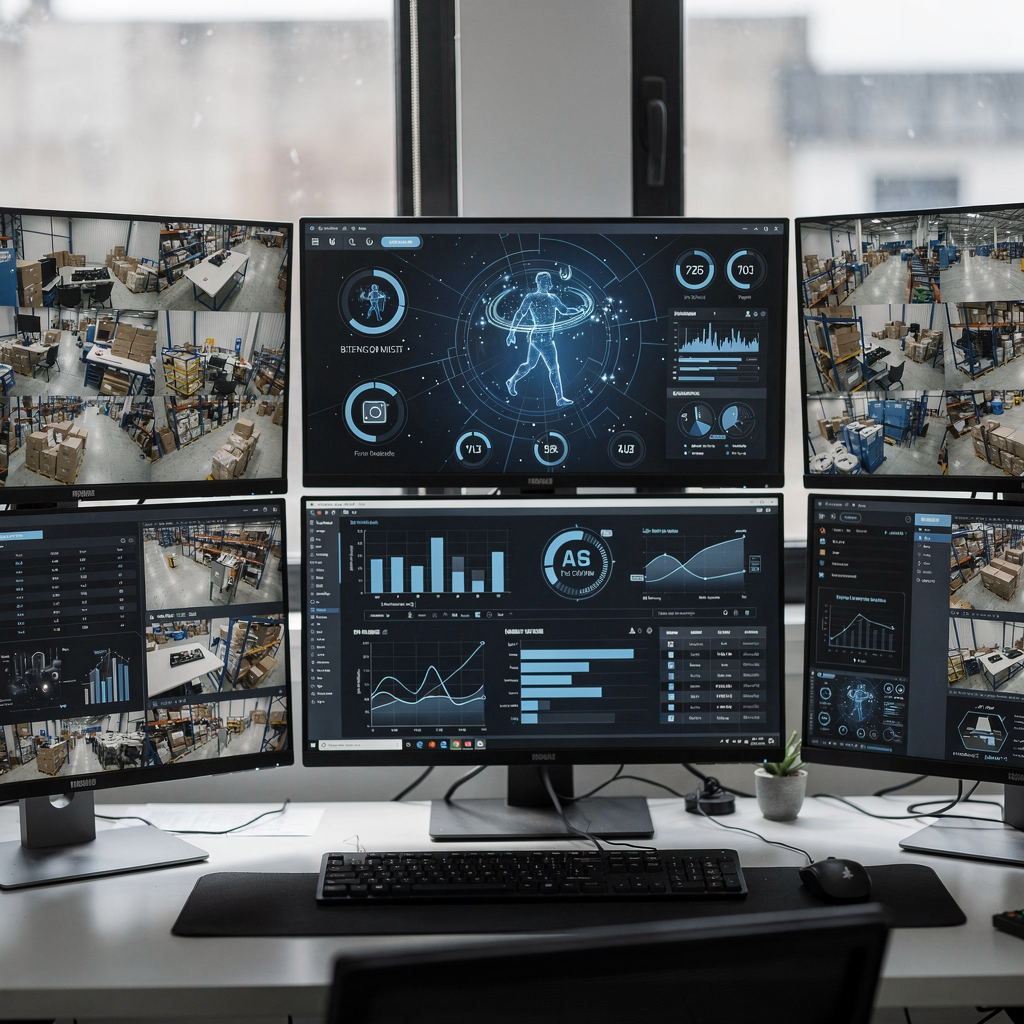
Automation also helps teams scale. When organizations deploy AI agents, they can automate follow-ups, tag evidence, and escalate when needed. The agent understands procedures and applies role-based permissions. That way, the agent will not execute high-risk actions without approval. This supervision and exception handling model balances autonomy and oversight.
visionplatform.ai illustrates this approach. The platform exposes VMS events and video as structured inputs so an ai agent can reason over them. By adding a vision language model and tightly integrating with VMS, teams can search past footage using natural language and detect recurring patterns. This forensic search capability supports use cases like perimeter investigations and forensic search in airports. In practice, organizations see better detection accuracy and fewer false positives. Companies report up to a 30% increase in forecast accuracy when they use agentic approaches in sales settings, and similar gains exist for operational forecasting in control rooms (Relevance AI).
Control room automation should be designed as an automation platform that respects compliance. Audit trails, role-based access, and clear escalation rules are essential. That ensures operators keep trust in automated decisions and that auditors can follow the logic during regulatory review.
AI vision within minutes?
With our no-code platform you can just focus on your data, we’ll do the rest
Achieving full control with enterprise ai-powered operator dashboards
Dashboards let humans keep full control while AI works in the background. An enterprise AI dashboard gives control room operators real-time situational awareness. It shows video thumbnails, alerts, confidence scores, and recommended actions. The operator sees what the agent detected, why it matters, and how to respond. This visibility reduces cognitive load and accelerates incident resolution.
VP Agent Search and VP Agent Reasoning are two components that improve dashboard utility. VP Agent Search provides forensic search across video and events using free-text queries. The on-prem vision language model converts video into searchable descriptions, so operators no longer need camera IDs or precise timestamps. For example, operators can query “Person loitering near gate after hours” and find relevant clips quickly. VP Agent Reasoning then correlates video, VMS events, and access control records to verify incidents and explain them.
Dashboards also support role-based access and clear audit trails. When an operator accepts an agent recommendation, the system logs the action and stores the justification. This creates a chain of evidence that helps during a regulatory review or a post-incident audit. visionplatform.ai keeps video and reasoning local, which reduces compliance risk for sensitive sites. The platform also integrates with legacy systems and VMS so operators do not lose existing workflows.
Enterprise AI dashboards help teams accelerate response and make informed decisions with confidence. They pack real-time updates, KPI tracking, and links to procedures. In high-volume environments, this reduces manual control and lets operators focus on exceptions. The combination of an ai-powered dashboard and robust role-based policies means organizations can scale ai across operations without losing governance.
How to automate decision-making and ai integration for agents at scale
Scaling AI requires clear steps. First, define which tasks the ai agent will handle. Choose low-risk tasks to automate initially. Then connect the agent to VMS, access logs, sensors, and business systems. This integration is crucial because the agent must reason across multiple sources. Use an on-prem vision language model to keep video and metadata inside your environment.
Next, standardize policies and escalation paths. The agent should escalate events when confidence is low or when a human must intervene. That pattern—automate then escalate—lets teams grow trust in AI systems. VP Agent Actions supports guided automation. It can recommend steps, pre-fill reports, and, with policy, execute routine responses. For recurring low-risk events, you can deploy ai to act autonomously and reduce operator load.
Integration work also includes connecting to an automation platform and ensuring the ai models can access structured inputs. visionplatform.ai exposes VMS data, detection outputs, and video descriptions as inputs so agents reason with context. This approach allows teams to deploy multiple ai agents directly, each focused on a particular use case. For example, one agent may monitor perimeter breach detection while another focuses on crowd density.
Scaling also depends on measurable benefits. McKinsey finds agentic systems can improve productivity by up to 40% when organizations adopt agents at scale (McKinsey). PwC reports 88% of executives plan to increase AI budgets, which signals broader deployment of AI-driven control and decision support (PwC). To achieve those gains, teams must design clear ai integration steps, monitor performance, and keep humans in the loop for complex incidents. This combination reduces investigation time and improves operational cost metrics.
AI vision within minutes?
With our no-code platform you can just focus on your data, we’ll do the rest
Securing access control in an ai control room for grid operators
Security is essential for any grid operator using an AI control room. The system must protect video, telemetry, and access logs while still enabling rapid investigation. Start with role-based access and strong authentication. Role-based access limits who can view sensitive feeds or trigger automated responses. Combine that with detailed access logs and a linked video record to support audits.
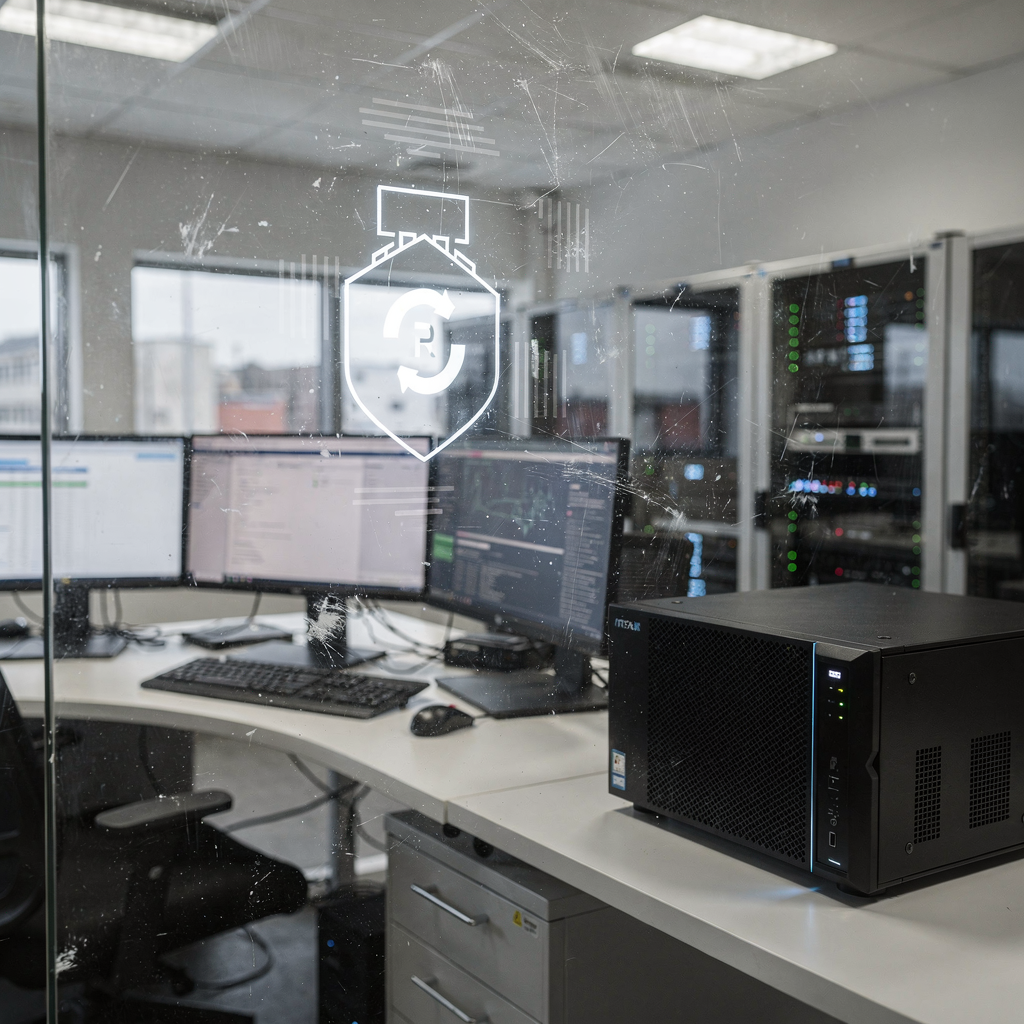
Audit trails are critical for both security and compliance. Every suggestion or action by the VP Agent should produce an audit entry that links the suggestion to the underlying evidence. This includes video and access logs. When operators review an event, they can see the chain of evidence and why the agent recommended a given step. That transparency supports regulatory review and reduces risk.
Grid operators often worry about cloud dependencies and vendor lock-in. An on-prem deployment protects sensitive feeds and ensures video and access logs and video remain inside the site. visionplatform.ai offers on-prem vision language model options so teams can keep data local and meet EU AI Act requirements. This approach helps with both security and compliance.
Another concern is false alarms. AI models should prioritize reduced false outcomes by cross-checking detections against multiple sensors. VP Agent Reasoning correlates cameras, VMS events, and access control to verify an incident and reduce false positives. If confidence falls below a threshold, the agent can escalate to a human operator. That pattern—ai-assisted verification with human oversight—keeps the grid resilient and supports forensic search when needed.
Finally, document incident handling workflows and pre-fill incident reports to speed post-event work. The agent provides a suggested narrative and evidence links so operators can file accurate reports fast. This reduces investigation time and ensures consistent handling across shifts.
Exploring agentic ai and live show monitoring
Agentic AI is moving into live production environments. For live production monitoring and live show events, agent assistants for live production can monitor cameras, detect anomalies, and notify crews. These agents combine live analytics with a high degree of contextual awareness. They help production teams spot issues quickly and act before problems escalate.
Generative AI and vision language models now let operators ask natural language questions of recorded video. For instance, vp agent search can find “red truck entering dock area yesterday evening” and return clips. This capability transforms forensic search in airports and other high-traffic facilities. It reduces time spent hunting through footage and lets teams detect anomalies in real-time.
Agentic AI also improves detection and reduces false positives. By reasoning over multiple inputs, the VP Agent can verify a detection before alerting staff. That reduces fatigue among control room operators and lowers the rate of unnecessary interventions. In live show settings, the agent can suggest camera switches, cue recordings, or escalate to a human director. An ai assistant director can help coordinate camera angles and ensure smooth production control without disrupting creative flow.
Adoption of agentic AI requires clear governance, especially when agents act autonomously. Supervision and exception handling must remain part of the deployment. Teams should test agent behavior across legacy systems and modern platforms. visionplatform.ai supports VMS integrations and on-prem deployment so organizations can scale ai safely. When done right, agentic ai augments human teams, reduces operational cost, and accelerates response to real events.
FAQ
What is a VP Agent?
A VP Agent is a control room AI agent that monitors systems, analyzes video and telemetry, and recommends actions. It combines vision models, data feeds, and automation to reduce manual control and support informed decisions.
How does a VP Agent improve operator performance?
The agent automates routine tasks, pre-fills incident reports, and verifies alarms to reduce cognitive load. Operators receive contextual summaries and can focus on exceptions rather than repeat detections.
Can I search recorded video with natural language?
Yes. VP Agent Search and an on-prem vision language model let operators search by free-text queries. That capability makes forensic search in airports and other sites far faster than manual timeline review.
Is on-prem deployment possible for sensitive sites?
Absolutely. An on-prem vision language model and local processing keep video and access logs and video inside your environment. This model helps with compliance and reduces cloud exposure risks.
How do you reduce false positives?
By correlating multiple sensors, VMS events, and access control records, the agent provides verification before alerting staff. This approach achieves reduced false alerts and improves trust in the system.
What security measures protect the system?
Implement strong role-based access, detailed audit trails, and encrypted data stores. These measures, combined with clear escalation rules, support regulatory review and safe operation.
Can agents act autonomously?
Yes, for low-risk, repeatable tasks the agent can act autonomously under configured policies. Human oversight and escalation remain options for higher-risk scenarios.
How does VP Agent integrate with my VMS?
The agent connects with VMS via APIs and exposes events for reasoning and automation. This tight integration enables real-time correlation and ai-assisted automation across control room operations.
What benefits do organizations see?
Teams report faster response times, fewer false alarms, and measurable productivity gains. Research shows organizations plan to increase AI investment and that agentic systems can lift productivity significantly (PwC, McKinsey).
Where can I learn more about specific use cases?
visionplatform.ai offers detailed pages on people detection, ANPR, and forensic search in airports to illustrate real deployments. See the forensic search in airports and people detection pages for examples and technical details: forensic search in airports, people detection in airports, and ANPR and LPR in airports.