ai control room and ai integration for seamless workflow
VP Agent works as an AI control room hub that consolidates data streams in real time. It pulls video, VMS events, CRM records, access logs, and other telemetry into one place. This centralisation gives teams a unified operational view. As a result, control room operators spend less time switching screens and more time acting on what matters. For example, organisations using continuous data sync report a 20% increase in pipeline velocity, which shows how faster contextual insight speeds outcomes.
First, VP Agent normalises inputs. It uses an on-prem Vision Language Model to convert camera feeds into human-readable descriptions. Then, it links those descriptions to VMS metadata and APIs. This integration reduces manual correlation work. Consequently, teams can search incidents with natural language and find the right camera, timestamp, or event. Our platform, visionplatform.ai, exposes events via MQTT, webhooks, and apis so external systems and dashboards can consume them without proprietary lock-in.
Second, the AI agent analyses signals continuously. It tracks trends, spots anomalies, and flags correlations across databases and legacy systems. For instance, if an access control event matches a detected loitering behaviour, the system elevates the incident with supporting evidence. This contextual verification reduces uncertainty for control room operators and helps them prioritise quicker. The VP Agent provides this explanation in plain text, which improves situational awareness and auditability.
Third, VP Agent ties into operational workflows. It can pre-fill incident documentation, escalate to the correct team, or trigger a follow-up procedure. This capability streamlines case handling across security and operations. For control room operations that rely on rapid response, such seamless integration matters. The agent also supports role-based permissions and role-based access so teams see only what they need. Finally, the design keeps video and models on-prem to address EU AI Act concerns and preserve data sovereignty.
ai agent and agentic ai for end-to-end automation
VP Agent is an ai agent built for the control room. As an agentic AI, it does more than surface alerts. It executes tasks, manages sequences, and closes loops. This shift from passive detection to active operation allows organisations to automate routine tasks, such as CRM updates or notification workflows, and still keep humans in the loop when needed. For example, automation by AI agents can cut manual workload by 40–50%, freeing staff for strategic priorities.
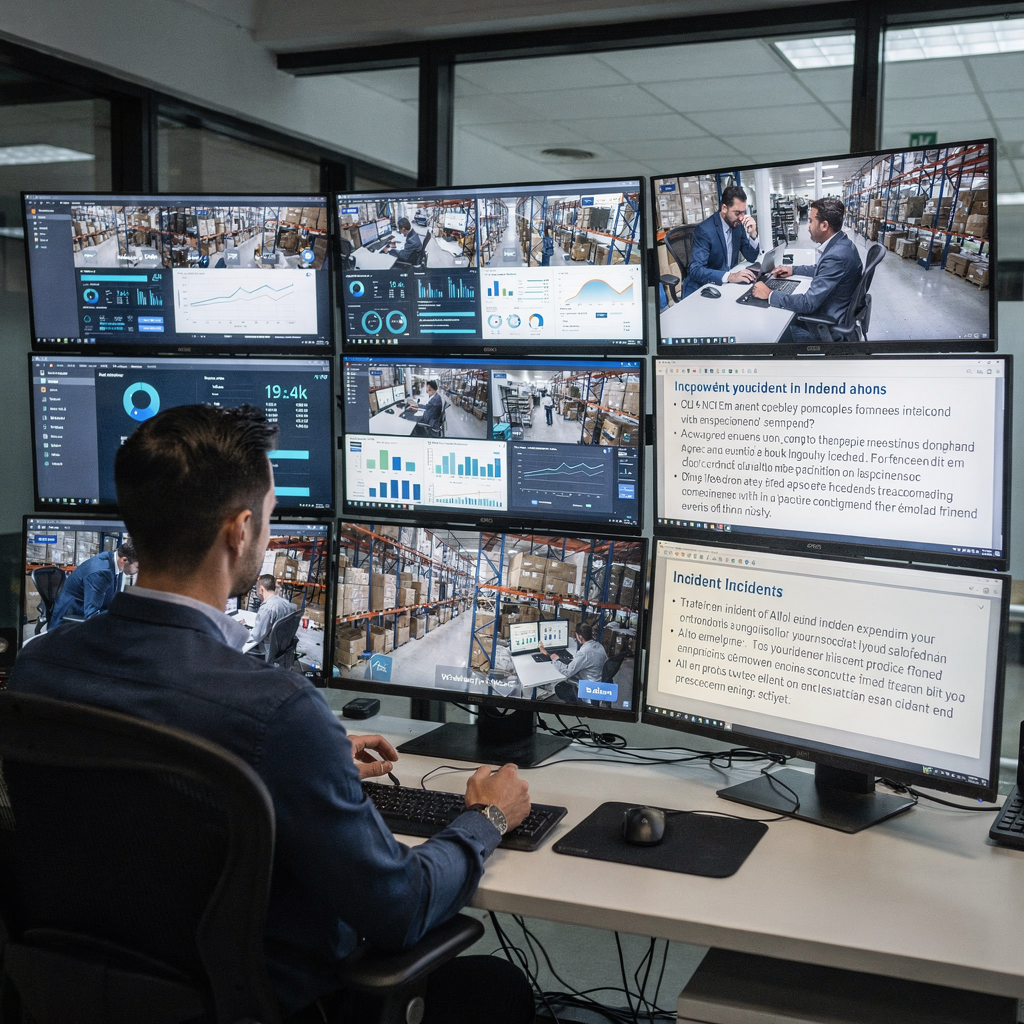
The VP Agent acts like a virtual VP of operations. It analyses pipeline health, forecasts outcomes, and recommends or executes actions. When connected to CRM, the agent can auto-update opportunity stages or create follow-up tasks. It can also trigger emails, notify teams in channels such as teams and slack, and queue human review when risk thresholds appear. By design, those actions follow predefined permissions so the system only operates inside safe boundaries.
This agentic system runs closed-loop procedures. It performs scenario modelling and presents verified incidents to operators. It then suggests the best action based on policies and past outcomes. The agentic features support both fully autonomous runs and human-in-the-loop patterns. In low-risk repeatable cases, the VP Agent can operate autonomously; in higher-risk contexts, it requests operator sign-off. The architecture therefore balances speed and control, which helps maintain audit trails and compliance.
Moreover, VP Agent integrates with enterprise tools and legacy systems. It provides a single interface for orchestrating work. For example, the agent can pre-fill incident reports and then either close false alarms or escalate confirmed breaches automatically. This kind of end-to-end automation reduces time-to-resolution and improves the accuracy and confidence of decisions. As one industry report states, many organisations plan to increase AI budgets to capture exactly these gains within the next year.
AI vision within minutes?
With our no-code platform you can just focus on your data, we’ll do the rest
control room automation to automate tasks with full control
Control room automation sits at the heart of VP Agent. The platform offers real-time monitoring, anomaly detection, and alert management in one cohesive control system. Operators see enriched alerts that combine video evidence, VLM summaries, and correlated data from other sensors. The result is an environment where teams can automate routine checks and still maintain full control over outcomes.
For example, the system can automatically review access logs and camera footage for a given alarm. If the VP Agent determines the alarm is a false positive, it can close the event with a justified rationale and a pre-filled report. If the event looks credible, it can notify the right stakeholders and trigger escalation. These capabilities help to reduce false positives and to prioritise operator attention on incidents that require human judgement.
The control room automation toolkit also includes anomaly detection and custom business rules. You can script verification procedures and let the agent follow them. The platform stores audit trails so managers can review every automated decision. This auditability supports internal verification and external compliance checks. Managers retain the option to override, refine, or pause workflows at any stage. This full control approach ensures automation serves operational goals without removing human oversight.
In practice, VP Agent Actions can be tuned to perform repeatable tasks such as camera health checks, access permission scans, and routine incident closure. These tasks run in live production or in staging during rollout. The deployment process lets teams deploy AI to a single site first, then scale across locations as confidence grows. By combining automation platform capabilities with operator-led governance, organisations can both scale and stay safe. The platform supports procedures to verify performance and maintain a clear trail for audits.
access control and operator empowerment with ai-powered systems
Access control integration is essential for secure operations. VP Agent links with access control systems so incidents can be correlated with badge activity, door states, and permission changes. This role-based access enables precise filters and segmented views. Operators only see events aligned with their responsibilities. Role-based access and permission rules reduce information overload and support fast decision-making.
The ai-powered operator interface delivers contextual dashboards that summarise what happened, why it matters, and what to do next. The UI presents evidence from camera feeds, VMS timelines, and access records together. Operators can play short clips, read a natural language description generated by the vision language model, and then decide. This design reduces cognitive load and shortens response times.
Pilot programmes show measurable benefits. Teams report faster incident response and fewer escalations caused by misinterpreted events. By presenting verified incidents and supporting evidence, the VP Agent reduces false positives and increases operator confidence. The system also supports verification steps and audit trails so every action remains traceable. Operators can therefore focus on complex judgement calls while routine checks run automatically.
In this mode, VP Agent acts as an ai assistant director for control room teams. It prioritises alerts, pre-fills incident documentation, and suggests corrective actions. Teams gain situational awareness without extra screens. The platform preserves privacy and security by keeping video and AI processing on-prem. This approach aligns with eu ai act expectations and reduces the risk of data leaving the environment.
AI vision within minutes?
With our no-code platform you can just focus on your data, we’ll do the rest
enterprise ai and agents at scale for grid operators
Enterprise AI deployments let organisations scale VP Agent across departments and sites. At scale, the agent manages distributed operations, peak-load forecasting, and resource balancing. Grid operators, for example, connect camera streams, SCADA signals, and predictive models to the agent. It then predicts hotspots, schedules inspections, and helps prevent outages using predictive maintenance intelligence.
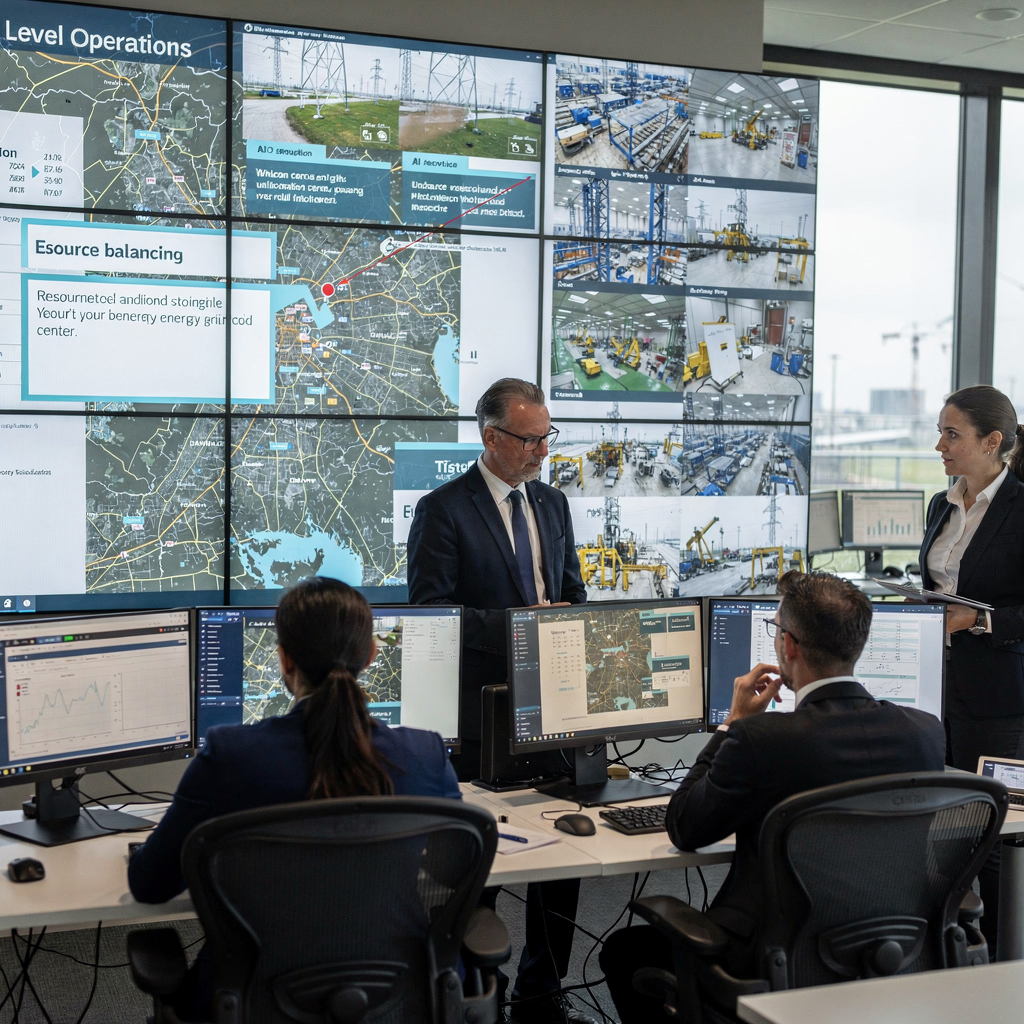
One case study involved grid operators who used the agent to optimise energy distribution. The VP Agent correlated camera-based visual indicators, weather feeds, and infrastructure metrics. It recommended pre-emptive crew deployments and load adjustments. As a result, the operator reduced incident escalation and improved uptime. The agent’s ability to present verified incidents and to recommend actions proved critical in high-pressure situations.
At the enterprise level, teams must handle governance, deployment, and lifecycle management. The platform supports staged deployment so teams can deploy AI agents directly to pilot sites before wider rollout. This approach reduces risk and helps maintain control during scale-up. The platform also integrates with legacy systems and production control software so adoption fits existing processes without ripping out the production stack.
Agents at scale also support distributed decision-making. The system balances autonomy and oversight by providing configurable escalation policies, audit trails, and human-in-the-loop gates. This hybrid model lets agents handle routine incidents autonomously while escalating complex cases to senior operators. Use cases include perimeter breach detection, predictive maintenance, and resource scheduling across facilities. The result is improved efficiency and more consistent outcomes across the organisation.
artificial intelligence integration in control room for end-to-end oversight
Artificial intelligence drives accurate forecasting, risk analysis, and trend detection across the full control room lifecycle. VP Agent ingests events, transforms them with AI models, and feeds recommendations into workflows. This end-to-end flow delivers oversight from ingestion to action. Leaders can track, adjust, and measure every workflow step with transparency.
Integration points span data ingestion, modeling, and action. The agent consumes video streams, VMS logs, access control events, and external data sources. It then applies ai models and the vision language model to produce contextual summaries. Finally, it maps recommendations to automated or human-reviewed steps. This seamless integration supports scenarios such as predictive maintenance, where the agent can suggest inspections ahead of failures.
The platform also supports verification and audit. It records decisions and the evidence used to reach them, enabling post-event review and continuous improvement. Managers can inspect accuracy and confidence levels, tune thresholds, and rerun scenarios. The system therefore supports procedures to verify model outputs and to maintain auditability.
VP Agent complements existing investments in video analytics and VMS. It helps teams make informed decisions by presenting verified incidents and suggested responses. The integration with existing software and hardware reduces deployment friction. As a result, control rooms move from raw detections to operational intelligence, while keeping humans in the loop for sensitive cases. For deeper examples of how vision and AI improve operational workflows, explore our forensic search and intrusion detection pages such as the forensic search in airports and intrusion detection in airports and people detection in airports for related implementations.
FAQ
What is VP Agent?
VP Agent is an AI agent designed to act as a control room intelligence hub. It synthesises video, VMS data, access logs, and external feeds to verify incidents and suggest or execute actions.
How does VP Agent reduce operator workload?
It automates routine tasks such as pre-filling incident reports, closing false alarms, and notifying teams. As a result, operators spend less time on repetitive steps and more time on strategic decision-making.
Can VP Agent work with existing VMS and cameras?
Yes. The platform supports leading VMS platforms, ONVIF and RTSP cameras, and integrates via apis, MQTT, and webhooks. This makes integration with existing systems straightforward.
Is my video data processed in the cloud?
No. By default, VP Agent keeps video and models on-prem to preserve privacy and align with regulatory requirements such as the eu ai act. This reduces cloud dependency and data transfer risk.
How does the system handle false positives?
The agent correlates multiple data sources to present verified incidents and reduces false positives. It also stores audit trails and offers operator overrides to ensure accuracy and confidence.
Can I deploy VP Agent gradually across sites?
Yes. The platform supports staged deployment so teams can pilot the agent, refine rules, and then scale. This approach helps manage risk and measure benefits before wider rollout.
Does VP Agent support role-based access?
It provides role-based access and permission controls so operators see only relevant data. This approach supports security and operational segregation across teams and sites.
What kind of automation can VP Agent perform?
Use cases include automated incident verification, pre-fill incident reports, notify teams, close false alarms, and trigger follow-up workflows. The agent can operate autonomously in low-risk cases or ask for human approval in critical situations.
How does VP Agent improve decision-making in the control room?
The agent offers contextual summaries, linked evidence, and recommended actions. By presenting verified incidents and suggested steps, it helps operators and managers make informed decisions faster.
Where can I learn more about real implementations?
For examples of applied capabilities, see our pages on forensic search in airports, intrusion detection in airports, and people detection in airports which highlight real deployments and use cases.