Understanding VP Agent: an ai agent for the ai control room and artificial intelligence
An AI agent is a software entity that perceives its environment and takes actions to achieve goals. In enterprise settings an AI agent acts like an autonomous analyst and assistant. The VP Agent is an AI agent designed for executive oversight. It focuses on pipeline health, forecast accuracy, and operational clarity for sales and control room teams. The VP Agent Suite from visionplatform.ai turns camera feeds and VMS events into contextual signals that AI agents can reason over. This shifts monitoring from raw detections to explained situations and guided decisions.
The ai control room concept describes a centralized hub where monitoring, alarms, and decision support converge. The control room combines video, VMS data, CRM information, and procedures. This gives control room operators a single view and situational awareness. The VP Agent acts like a control room operator that reasons in natural language. It verifies alarms and suggests corrective actions so humans can act faster.
Artificial intelligence techniques power real-time monitoring. Computer vision detects people, vehicles, and behaviors. An on-prem vision language model converts video into searchable descriptions. Machine learning models create forecasts and anomaly detection. Rule engines and policy models control actions and role-based permissions. Together these AI models and components let the VP Agent explain why an alert matters and which steps to take. For example, VP Agents verify alarms by correlating video with access logs, procedure records, and historical context so the operator sees an explained incident, not a raw alert.
VP Agent design also supports governance. On-prem processing reduces data exposure and helps compliance with the EU AI Act. An audit agent tracks decisions, preserves access logs, and provides forensic search capabilities. Forensic search in airports and other critical sites becomes possible because video and metadata are indexed and described. As one analyst notes, VP of Sales AI Agents “analyze pipeline data, provide real-time insights, and handle complex forecasting” which shows how AI agents change leadership workflows source. In short, the VP Agent is an AI agent for control room settings that augments human judgment and accelerates informed decisions.
Achieving control room automation: ai-powered workflow and automation
Control room automation transforms how data flows and how teams respond. First, an automation platform pulls events from VMS, access control, CRM, and ERP systems. Then it normalizes the inputs so AI agents can reason across them. visionplatform.ai exposes VMS data as structured streams. This lets the platform route detections to the right agent. The result is fewer manual steps and faster incident resolution.
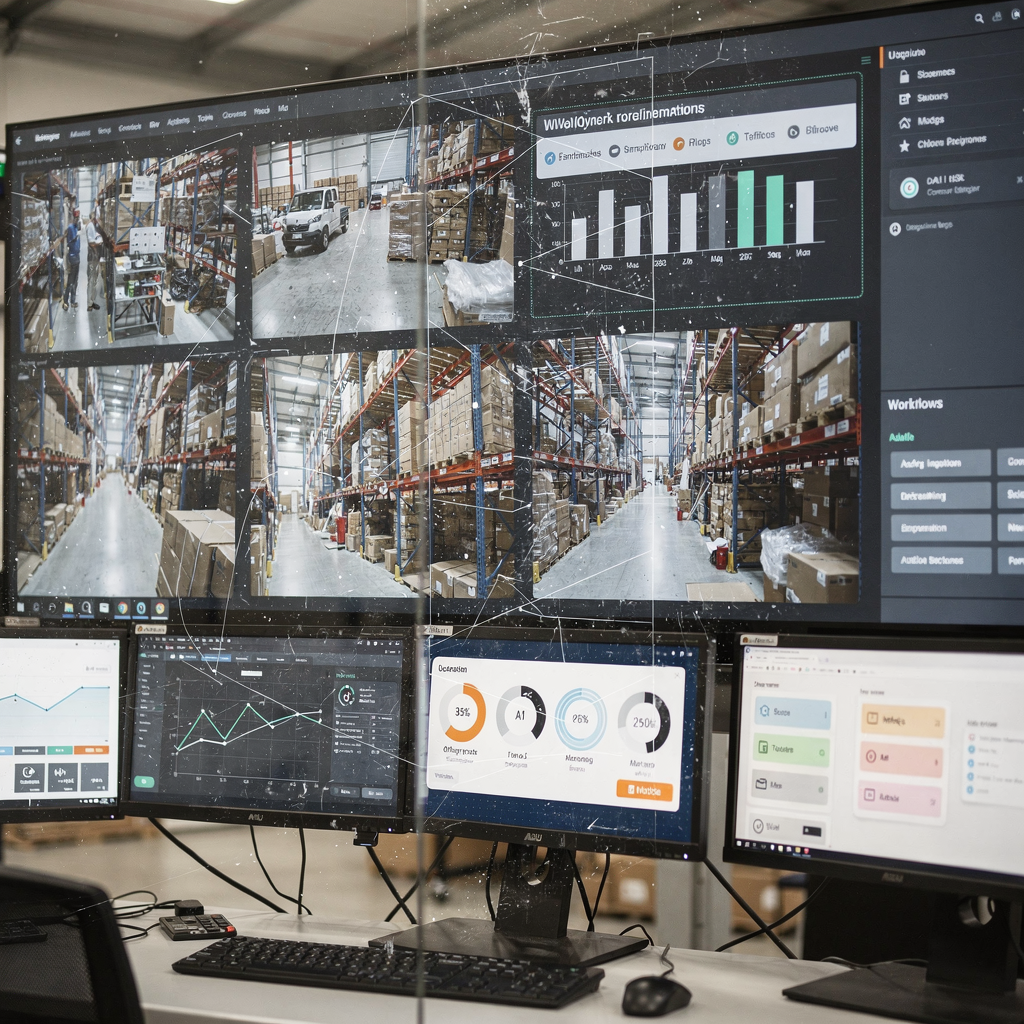
An ai-powered workflow orchestrates hand-offs between agents and human operators. A VP Agent identifies a critical alert. It then recommends a sequence of steps and can pre-fill incident paperwork. The VP Agent Actions feature can either guide an operator or execute low-risk tasks automatically. This helps teams automate routine tasks such as acknowledging false alarms, notifying teams, or logging incidents. The platform supports role-based access controls and role-based policies so permissions match operational risk.
Integration is key. The agent listens to vms streams, camera analytics, and access control systems. It correlates camera events with entry logs. That correlation reduces false positives and shortens investigation time. For example, when a camera flags loitering the agent looks for related access logs and nearby detections. If other sensors confirm the situation, the agent will escalate and recommend corrective actions. If not, it suggests closing the alarm with justification.
Workflow orchestration also keeps humans in the loop. Agents operate under supervision and exception handling rules. Supervisors can set escalation windows and audit trails. The VP Agent supports pre-fill incident reports and can notify external teams via integrations like Microsoft Teams. Deploying this model reduces operational cost and accelerates response. You can deploy on GPU servers or edge devices. This lets teams scale AI without cloud dependency. The approach supports legacy systems and provides seamless integration with existing control systems and SCADA when needed.
AI vision within minutes?
With our no-code platform you can just focus on your data, we’ll do the rest
Harnessing analytics, alarm detection and predictive maintenance
Analytics turn raw signals into actionable insight. Analytics track pipeline health and flag trends across time. The VP Agent uses time-series analysis to forecast outcomes and to detect deviations. It runs anomaly detection to detect anomalies that human operators might miss. These capabilities help reduce false positives and shorten investigation time. The platform supports forensic search in airports and similar sites by converting video into human-readable descriptions via a vision language model.
Alarm rules can be configured to match operational priorities. An alarm can trigger a low-risk notification or a high-priority alert that escalates immediately. Operators can tune sensitivity and set thresholds that consider time, location, and context. This cuts noise. It also directs attention to incidents that truly need human decision-making. VP Agent Reasoning correlates alarms with other data so the operator gets a contextual explanation rather than only an alarm. As Infor explains, “VP Agents are not just assistants; they are autonomous digital workers” and they elevate leadership by providing actionable insights source.
Predictive maintenance extends these benefits to hardware and software. By monitoring control loops, VMS health, and device telemetry, agents predict bottlenecks and failures. This enables scheduled servicing and reduces downtime. The VP Agent can pre-emptively notify teams to replace a camera or to reassign a stream before an outage affects coverage. The result is more efficient operations and less reactive firefighting.
In many deployments the combination of analytics, alarm detection, and predictive maintenance yields measurable gains. For enterprise sales and operations, similar AI agents have improved forecast accuracy by up to 20–30% and reduced cycle times by 15–25% source . When applied to security and operations, these improvements translate to fewer false alerts, faster closure rates, and lower operational cost. The platform supports reduced false alarms and provides tools for auditing decisions to aid regulatory review and compliance, including alignment with the EU AI Act.
Enterprise ai integration for full control
Integrating a VP Agent into enterprise landscapes gives leaders a single pane for oversight. Enterprise AI must connect to data lakes, BI systems, and CMDBs. The VP Agent Suite exposes video events through APIs and MQTT so dashboards and BI can consume them. This yields a unified dashboard view and helps executives gain full control over operations.
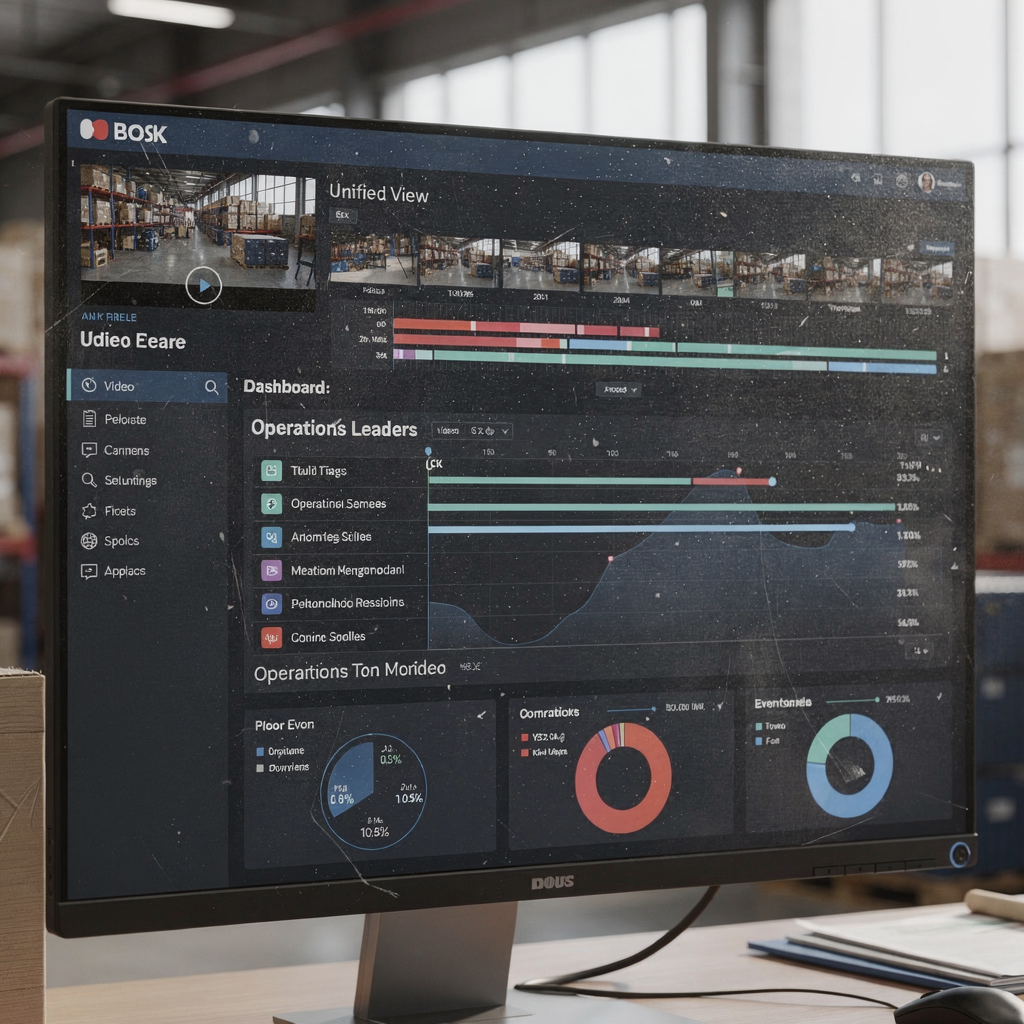
AI integration should be seamless. The VP Agent links to VMS, CRM, and access control. It also supports legacy systems and SCADA. This makes it easier to scale AI across sites. The platform supports on-prem deployment so video and reasoning remain inside the environment. That design lowers data exposure and aligns with EU AI Act concerns. visionplatform.ai keeps video and reasoning local, and the VP Agent Suite supports auditable workflows and access logs.
Once integrated, the system provides situational awareness and a searchable history. Agents can run a natural language query via VP Agent Search. Operators ask about past incidents and the agent returns relevant video segments and timelines. This speeds forensic search and reduces investigation time. The platform supports forensic search in airports and other complex environments with high data volume. The audit agent records actions so teams can review decisions later. That helps during regulatory review and supports an evidence trail.
Executives gain a dashboard that displays KPIs, alerts, and predictive maintenance forecasts. Agents provide recommendations and can automate low-risk responses. This means leaders can focus on strategy while agents handle routine tasks and workflow hand-offs. The record of actions and the ability to manage agents centrally help organizations scale AI and keep consistent, auditable behavior across sites and shifts.
AI vision within minutes?
With our no-code platform you can just focus on your data, we’ll do the rest
Securing operations: access control and grid operator manage agents
Security and governance must be integral. Access control policies protect customer and pipeline data. Implement role-based access and role-based access restrictions so only authorized personnel see sensitive feeds. The VP Agent respects these policies and enforces them at the data and action level. Access logs are recorded for audit and forensic use.
A grid operator role helps balance load and manage agents across the estate. The grid operator can move workloads, scale resources, and oversee agent health. This role ensures agents operate within policy and that deployment remains resilient. For large sites, a grid operator smooths failover and prevents overload of critical control systems.
Centralized management makes it easier to manage agents and to run compliance checks. The platform supports an audit agent that logs agent decisions. Those logs include why an agent took a step and what data supported the choice. This reduces risk and supports regimented regulatory review. In sensitive sites, on-prem vision language model processing keeps video inside the perimeter to avoid cloud data exposure.
Operational security also addresses false positives and escalation rules. Configure anomaly detection to reduce noise and to only escalate legitimate events. The VP Agent reasoning layer explains why a detection is valid. It can suggest corrective actions and can pre-fill incident reports for faster response. When human oversight is required the system routes to control room operators with full context including video and access logs and video and access logs combined in one view. This preserves situational awareness while keeping manual control where policy demands it.
Seamless deployment: agentic ai, automate processes and free consultation
Deploying a VP Agent should limit disruption. Start with a pilot on a subset of cameras and VMS streams. Then expand once the agent demonstrates reliable verification and low false positives. The plan includes model validation, integration tests, and operator training. This reduces rollout risk and keeps humans in the loop during early stages. The agentic ai approach supports incremental adoption and controlled autonomy.
Key sales and security processes can be automated first. Agents can automate lead follow-ups in sales environments or automate routine security tasks in operations. Common automation includes lead scoring, follow-up reminders, and scheduled reporting. In control rooms VP Agent Actions can automate low-risk responses and pre-fill incident paperwork. This frees teams for higher-value work and helps augment human decision-making.
visionplatform.ai offers a pathway to deploy ai with on-prem guarantees. The VP Agent Suite supports VMS integrations and can be deployed on-edge or on GPU servers. The platform supports agent provides features for reasoning and action. Customers can choose how much autonomy the agent has. For high-risk scenarios operators retain manual control. For recurring, low-risk workflows agents operate autonomously with audit trails and escalation rules. The approach helps scale AI across sites and reduces operational cost.
If you need help planning a rollout, a free consultation is available to design a tailored deployment. The consultation covers integration with legacy systems, role definitions, regulatory review, and fine-tuning of AI models. It also covers how to integrate with Microsoft Teams and other communication tools for notifications. A thoughtful deployment balances automation with supervision and exception handling so you achieve efficient operations without losing control.
FAQ
What is a VP Agent?
A VP Agent is an AI agent designed for executive and control room oversight. It verifies detections, explains situations, and recommends or executes actions based on policy and context.
How does the VP Agent reduce false alarms?
The agent correlates video with access logs and other data to verify events. It uses contextual reasoning to reduce false positives and to pre-fill incident reports for faster closure.
Can I integrate VP Agent with my existing VMS?
Yes. The platform supports tight VMS integration and streams events via APIs, MQTT, and webhooks. This enables seamless integration with legacy systems and modern dashboards.
Is video processed in the cloud?
No, the VP Agent Suite supports on-prem processing by default. visionplatform.ai keeps video and reasoning local to reduce data exposure and to support EU AI Act compliance.
What is VP Agent Search?
VP Agent Search is a forensic search tool that uses a vision language model to convert video into searchable, human-readable descriptions. Operators can run natural language queries to find incidents quickly.
How does the platform help with regulatory review?
The system records access logs and agent decisions through an audit agent. These logs support forensic search and provide evidence for regulatory review or investigations.
Can VP Agents operate autonomously?
Yes. VP Agent Auto allows controlled autonomy for low-risk, recurring scenarios. Human oversight and escalation rules remain configurable to maintain safety and compliance.
What integrations are available for security use cases?
The platform integrates with VMS, access control, and SCADA. It also supports specialized detection like people detection and intrusion detection for airports and critical sites.
How does the system support predictive maintenance?
Agents monitor device telemetry, VMS health, and control loops to detect trends. Predictive maintenance lets teams act before failures reduce coverage or create unsafe conditions.
How do I get started with a pilot?
Begin with a scoped pilot on selected cameras and streams. visionplatform.ai offers a free consultation to plan integration, model tuning, and operator workflows to ensure a successful deployment.